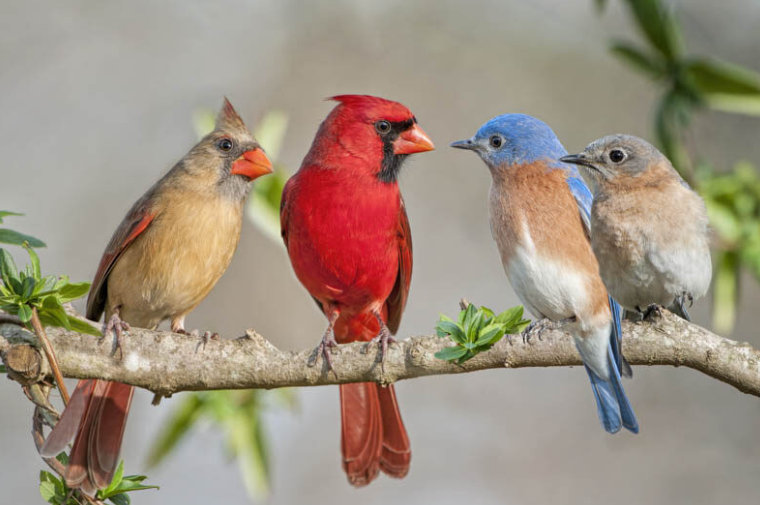
Trees are important in supporting wildlife by providing food, shelter, and nesting spaces. Many animals depend on trees as part of their daily survival, using them for protection from predators and harsh weather. Because of these benefits, landscapes that include a variety of trees often attract a wider range of birds, insects, and small mammals.
One of the main ways trees attract wildlife is through the food they produce. Many trees provide fruits, nuts, seeds, or nectar that animals rely on for nourishment. Birds, squirrels, insects, and even larger animals often visit trees regularly to feed, making them an essential part of natural food chains.
Trees also provide safe places for animals to live and reproduce. Branches, cavities, and dense foliage offer ideal locations for nesting birds, resting bats, and sheltering insects. Some wildlife species specifically look for older trees with hollow trunks or natural openings, which can serve as long-term homes.
Another important benefit of trees is the protection they provide from weather and predators. Thick canopies can shield animals from strong sunlight, rain, or wind, while dense branches give smaller creatures places to hide. This protective environment allows wildlife to move, feed, and raise their young more safely.
Trees that produce flowers can attract pollinators such as bees, butterflies, and other beneficial insects. These pollinators play a crucial role in plant reproduction and ecosystem health. By supporting pollinator populations, trees indirectly help many other plants and animals survive.
When trees are planted in gardens, parks, or natural areas, they help create small ecosystems that support biodiversity. A diverse selection of trees can attract different types of wildlife throughout the year. As a result, trees not only enhance landscapes visually but also help maintain balanced and thriving natural habitats.
Trees that Attract Wildlife
Eastern Red Cedar
Eastern red cedar attracts over 50 bird species with its blue berry-like cones that persist through winter providing critical cold-weather food. This evergreen conifer reaches 40-50 feet tall and offers dense year-round cover for nesting, roosting, and shelter from predators and weather.
Cedar waxwings, robins, mockingbirds, and numerous other species feast on the berries while the dense foliage hosts nesting songbirds. The tree’s combination of winter food, nesting sites, and evergreen shelter makes it invaluable for year-round wildlife support.
Oak Trees
Oak trees support more wildlife species than virtually any other tree genus, providing acorns for dozens of mammals and birds while hosting over 500 caterpillar species. These massive hardwoods reach 40-100 feet depending on species and create entire ecosystems supporting everything from insects to deer.
Woodpeckers, jays, nuthatches, turkeys, squirrels, deer, and bears all depend heavily on acorn crops while insect-eating birds feast on abundant caterpillars. The tree’s cavities provide critical nesting sites for cavity-nesting birds and mammals making oaks irreplaceable wildlife trees.
Serviceberry
Serviceberry produces sweet purple-black berries in early summer that attract over 40 bird species including robins, waxwings, cardinals, and orioles. This small native tree reaches 15-25 feet tall with beautiful white spring flowers, edible berries, and brilliant fall color creating year-round interest.
The early berry production provides crucial food during nesting season when birds need high-energy fruit for raising young. Serviceberry’s multi-season value and abundant fruit make it outstanding for attracting songbirds to gardens and landscapes.
Black Cherry
Black cherry produces small dark cherries in summer that attract over 70 bird species making it among the most valuable wildlife trees. This native hardwood reaches 50-80 feet tall and provides food for thrushes, waxwings, grosbeaks, woodpeckers, and countless other species.
The cherries ripen in midsummer providing critical food during late nesting season while the tree hosts abundant caterpillars for insect-eating birds. Black cherry’s exceptional wildlife value combined with beautiful form makes it a premier choice for attracting diverse bird populations.
Crabapple
Crabapple produces small colorful fruits that persist through winter providing emergency food for robins, waxwings, thrushes, and other fruit-eating birds. These small ornamental trees reach 15-25 feet tall with spectacular spring flowers and fruits ranging from yellow to deep red.
Birds often ignore the fruits until late winter when other food sources are depleted, making crabapples critical survival food during harsh conditions. The tree’s combination of beautiful flowers, persistent fruit, and wildlife value makes it excellent for ornamental landscapes supporting birds.
Dogwood
Dogwood produces bright red berries in fall that attract over 35 bird species including woodpeckers, thrushes, cardinals, and waxwings. This understory tree reaches 15-30 feet tall with beautiful spring flowers, brilliant fall color, and horizontal branching that provides excellent nesting sites.
The high-fat berries ripen in fall providing crucial energy for migrating birds while the tree’s structure offers ideal songbird nesting habitat. Dogwood’s multi-season beauty and exceptional wildlife value make it outstanding for supporting birds in shade gardens.
American Holly
American holly produces bright red berries that persist through winter providing emergency food for mockingbirds, thrushes, waxwings, and other species. This evergreen broadleaf tree reaches 30-50 feet tall with dense spiny foliage that offers excellent year-round cover and nesting sites.
The berries are typically eaten only after frost softens them, providing crucial late-winter food when other sources are depleted. American holly’s evergreen shelter combined with persistent berries makes it invaluable for winter bird survival.
Hawthorn
Hawthorn produces abundant red berry-like fruits and dense thorny branching that provides both food and protected nesting sites for songbirds. These small trees reach 15-30 feet tall with beautiful spring flowers, colorful fall fruits, and impenetrable thorny growth that shields nests from predators.
Over 30 bird species eat hawthorn fruits while the thorny branches provide some of the safest nesting sites available for small songbirds. The tree’s combination of food and protected shelter makes it exceptional for supporting nesting bird populations.
Elderberry
Elderberry produces clusters of dark purple berries in summer that attract over 45 bird species including thrushes, waxwings, woodpeckers, and orioles. This large shrub or small tree reaches 10-20 feet tall with rapid growth, white flower clusters, and abundant fruit production.
The berries ripen in midsummer providing crucial food during late nesting season when birds need high-energy nutrition. Elderberry’s prolific fruiting and preference for wet areas make it excellent for supporting birds in riparian zones and wet gardens.
Mulberry
Mulberry produces abundant sweet berries that attract over 40 bird species creating feeding frenzies when fruits ripen in early summer. These fast-growing trees reach 30-50 feet tall and produce such abundant fruit that birds can feast for weeks without depleting the supply.
Robins, waxwings, tanagers, orioles, and countless other species gorge on mulberries during the critical nesting season. The tree’s exceptional fruit production makes it among the best for attracting large numbers of fruit-eating birds despite the mess from falling fruit.
Mountain Ash
Mountain Ash produces bright orange-red berry clusters in fall that persist through winter providing critical cold-weather food for waxwings, thrushes, and grosbeaks. This small tree reaches 20-40 feet tall with beautiful white flower clusters in spring and spectacular fall color before fruits mature.
Cedar waxwings are particularly attracted to mountain ash berries and descend in large flocks to strip the fruits. The tree’s persistent winter fruits make it invaluable for supporting birds during the harshest months when food is scarce.
Hackberry
Hackberry produces small purple fruits in fall that persist through winter providing reliable food for over 25 bird species including woodpeckers and flickers. This tough native tree reaches 40-60 feet tall and tolerates urban conditions, poor soil, and neglect while supporting abundant wildlife.
The persistent berries provide consistent winter food while the tree’s structure offers excellent nesting sites for various songbirds. Hackberry’s adaptability and reliable fruit production make it excellent for urban wildlife gardens in challenging conditions.
Wild Plum
Wild plum produces small tart plums that attract over 30 bird species while forming dense thickets that provide excellent nesting cover. These small native trees reach 15-25 feet tall with beautiful white spring flowers, edible fruits, and spreading growth that creates secure nesting habitat.
The fruits ripen in summer providing food for thrushes, waxwings, woodpeckers, and countless other species while the dense growth protects nests. Wild plum’s combination of food and protected nesting habitat makes it valuable for supporting diverse bird communities.
American Beech
American beech produces triangular nuts that provide crucial food for woodpeckers, nuthatches, jays, turkeys, and numerous mammals including squirrels and bears. This massive hardwood reaches 50-80 feet tall with smooth gray bark, golden fall color, and cavities in mature trees that provide nesting sites.
The nuts ripen in fall providing high-fat nutrition that helps birds and mammals prepare for winter while cavities offer homes for cavity-nesting species. Beech’s long lifespan and wildlife value make it a premier tree for supporting diverse wildlife over centuries.
Persimmon
Persimmon produces sweet orange fruits in fall that attract opossums, raccoons, deer, and numerous bird species including mockingbirds and thrushes. This native tree reaches 30-60 feet tall with fruits that persist after leaf drop providing food through fall and early winter.
The fruits become sweet after frost and provide high-energy nutrition for wildlife preparing for winter while attracting mammals that aid in seed dispersal. Persimmon’s abundant fruit and wildlife value make it excellent for attracting diverse animals to larger properties.
Pin Cherry
Pin cherry produces bright red cherries in summer that attract over 35 bird species including thrushes, grosbeaks, waxwings, and woodpeckers. This small native tree reaches 20-40 feet tall and colonizes disturbed areas providing early successional habitat and abundant fruit.
The cherries ripen in midsummer during critical nesting season providing essential nutrition for birds raising young while the tree hosts caterpillars for insect-eaters. Pin cherry’s prolific fruiting in young stands makes it valuable for providing quick wildlife food in regenerating forests.
Birch
Birch trees produce tiny seeds in catkins that feed finches, siskins, chickadees, and other small seed-eating birds through fall and winter. These graceful trees reach 40-70 feet tall with attractive white bark, golden fall color, and catkins that provide persistent food sources.
The trees also host abundant caterpillars that feed insect-eating birds during nesting season while providing nesting sites in their branches. Birch’s combination of seeds, caterpillars, and nesting habitat makes it valuable for supporting diverse bird species year-round.
Red Maple
Red maple produces paired winged seeds in spring that attract grosbeaks, finches, and squirrels while providing nesting sites for numerous songbirds. This adaptable native reaches 40-70 feet tall with brilliant red fall color, early spring flowers, and tolerance of various soil conditions.
The tree hosts numerous caterpillar species that feed insect-eating birds while its structure provides excellent songbird nesting habitat. Red maple’s abundance and adaptability make it valuable for supporting wildlife across diverse landscapes and conditions.
Willow
Willow trees provide crucial early-season food for birds through abundant caterpillar populations that feed warblers, vireos, and other insect-eaters during spring migration. These fast-growing trees reach 30-60 feet tall and host more caterpillar species than most other trees providing essential protein for nesting birds.
Yellow warblers particularly favor willows for nesting while the dense growth near water provides shelter for waterfowl and wetland species. Willow’s exceptional caterpillar abundance makes it among the most valuable trees for supporting insect-eating birds.
Sassafras
Sassafras produces dark blue fruits on red stalks in fall that attract over 20 bird species including thrushes, flickers, and kingbirds. This native tree reaches 30-60 feet tall with aromatic foliage, brilliant fall color, and fruits high in fat content providing crucial energy.
The fruits ripen in fall during migration season providing essential nutrition for birds preparing for long flights while the tree spreads to form thickets. Sassafras’s high-fat fruits and thicket-forming growth make it valuable for supporting both migrating and resident birds.
Tupelo (Black Gum)
Tupelo produces small blue-black fruits in fall that attract over 30 bird species including woodpeckers, thrushes, and flycatchers. This native tree reaches 40-80 feet tall with spectacular scarlet fall color and fruits high in fat that provide excellent nutrition.
The fruits ripen in fall providing crucial energy for migrating birds while the tree’s structure offers nesting sites and the flowers attract pollinators. Tupelo’s combination of high-quality fruit, nesting habitat, and spectacular beauty makes it exceptional for supporting diverse wildlife.