Botanical Classification
Sweet birch is a deciduous hardwood tree belonging to the genus Betula, within the family Betulaceae. Its scientific name is Betula lenta, and it is commonly referred to as black birch, cherry birch, or spice birch due to its aromatic bark and twigs. The species falls under the order Fagales, which also includes oaks, beeches, and alders.
Sweet birch is native to eastern United States and is closely related to other birches such as yellow birch (Betula alleghaniensis) and river birch (Betula nigra), though it is distinguished by its dark, aromatic bark and sweet-scented wintergreen foliage.
Description / Characteristics
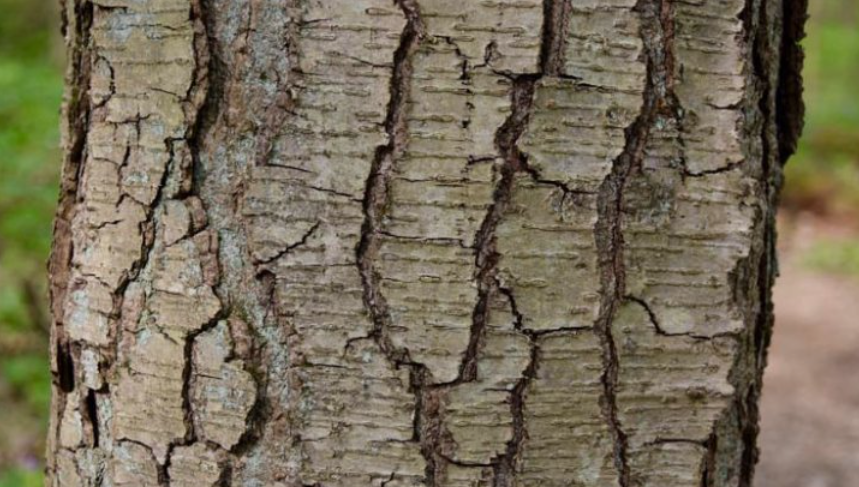
Sweet birch is a medium to large deciduous tree, typically growing between 15 and 25 meters (50–80 feet) tall, with a straight trunk and a narrow, pyramidal to rounded crown. The bark is dark reddish-brown to nearly black, smooth when young, and becomes slightly furrowed with age. Its twigs and inner bark are aromatic, giving off a wintergreen scent when crushed.
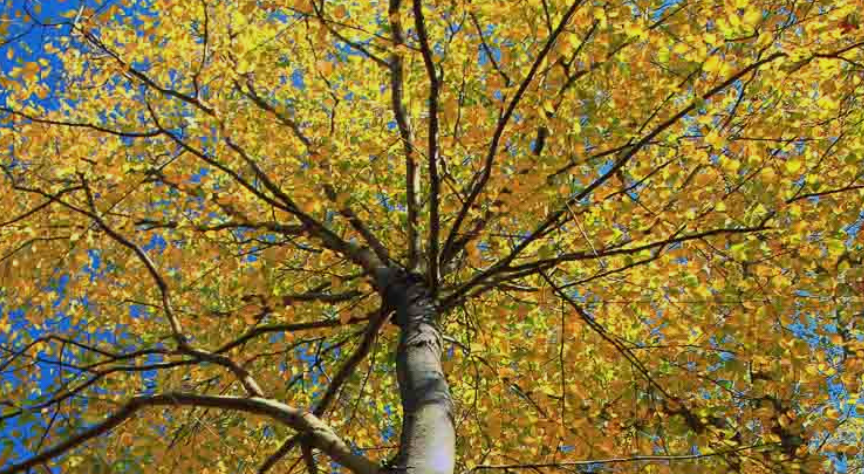
Leaves are simple, ovate to elliptical, with finely serrated edges, turning bright yellow in the fall. The tree produces slender catkins in spring, which function as reproductive structures. Sweet birch grows relatively quickly in its early years and prefers well-drained soils, full sun, and moderate moisture to reach its full ornamental and timber potential.
Distribution & Habitat
Sweet birch is native to the eastern United States, with a range extending from southern Maine and New York south through the Appalachian Mountains to northern Georgia and Alabama. The species is commonly found in upland hardwood forests, slopes, and valleys, often in association with oak, maple, and hickory.
It thrives in moist, well-drained soils and full sun to partial shade. Sweet birch is typically found at low to moderate elevations but can adapt to a variety of forested habitats, making it an important species for both ecological and timber purposes in the eastern United States.
Conservation
Sweet birch (Betula lenta) is generally considered a stable species within its native range in the eastern United States. It is not currently listed as threatened or endangered, though localized populations may face pressures from logging, urban development, and habitat fragmentation.
Overharvesting for timber or bark extraction in the past has reduced some populations, but the species regenerates naturally in mixed hardwood forests. Conservation efforts focus on protecting forested habitats, promoting sustainable forestry practices, and maintaining ecological diversity in Appalachian and eastern hardwood ecosystems.
Uses
Sweet birch is valued for both its timber and aromatic properties. The wood is hard, strong, and fine-grained, making it suitable for furniture, cabinetry, flooring, and small woodworking projects. The bark and twigs contain aromatic oils with a wintergreen scent, historically used in flavoring, medicinal preparations, and perfumes.
Ecologically, sweet birch provides food and shelter for wildlife, including birds, insects, and small mammals. Its rapid growth and adaptability make it useful in reforestation and landscaping projects, while its aromatic bark and vibrant yellow fall foliage add ornamental appeal to gardens and parks.
Varieties and Cultivars
Sweet birch has few formally recognized cultivars because it is primarily valued for timber and ecological purposes rather than ornamental use. However, natural variation occurs in bark color, leaf size, and growth form across its range. In horticultural selections, trees with particularly straight trunks, dense foliage, or aromatic bark may be favored for cultivation.
Some nurseries propagate select forms for landscaping or reforestation purposes, highlighting traits such as compact growth for smaller gardens or superior timber quality for managed forests. These selections emphasize the tree’s aesthetic and functional versatility.
Growth Rate
Sweet birch (Betula lenta) is a moderately fast-growing tree, especially during its early years. Young trees can grow approximately 30–60 centimeters (1–2 feet) per year under favorable conditions, reaching maturity in 20–30 years. Growth is fastest in moist, fertile, well-drained soils with full sun, while poor soils or shaded sites can slow development.
Although not as rapid as some pioneer species, sweet birch establishes relatively quickly and can provide timber, wildlife habitat, and ornamental value within a few decades.
USDA Zones
Sweet birch is adapted to temperate climates and is suitable for USDA Hardiness Zones 3–7. These zones correspond to regions with cold winters and moderate summers, reflecting the tree’s natural range in the eastern United States.
It prefers full sun to partial shade and thrives in moist, well-drained soils. Its hardiness, combined with adaptability to upland forests and moderate elevations, makes it a reliable species for reforestation, landscaping, and ecological plantings in suitable USDA zones.
Problems
Sweet birch can be affected by several pests and environmental stresses. The bronze birch borer is a significant insect pest, particularly attacking stressed or weakened trees and potentially causing severe decline. Other pests include leaf miners and aphids. Fungal diseases, such as leaf spot and cankers, can also reduce vigor, especially in trees under environmental stress.
Sweet birch is sensitive to drought, soil compaction, and poor drainage, which can weaken trees and increase susceptibility to pests and disease. Regular monitoring, proper site selection, and maintaining soil moisture are important for maintaining healthy trees in both natural and cultivated settings.