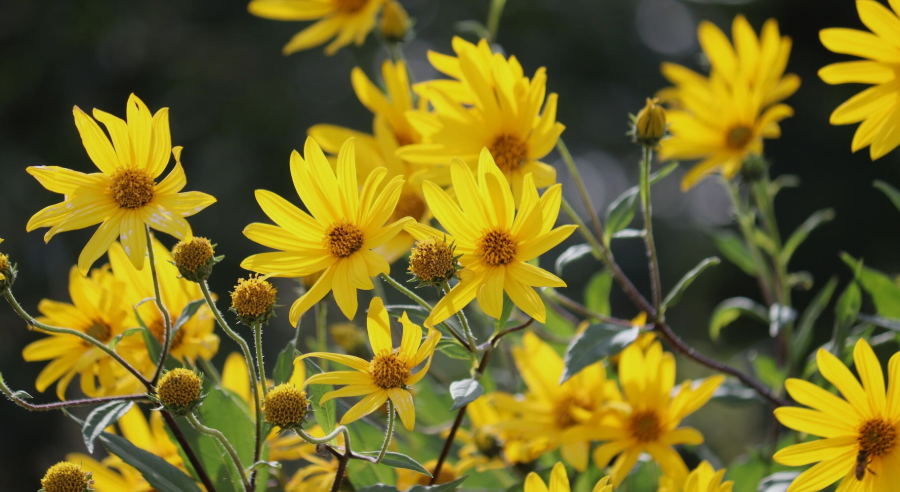
Sunflowers are bright, cheerful flowering plants widely recognized for their large golden blooms and their tendency to face the sun during growth. They belong to the genus Helianthus and are admired around the world for both their beauty and usefulness. Their tall stems and bold flower heads make them one of the most recognizable plants in gardens and agricultural fields, often symbolizing happiness, warmth, and positivity.
These plants are native to North America, where they were first cultivated by Indigenous peoples thousands of years ago. Early communities valued sunflowers as an important food source, using the seeds for nutrition and oil. Over time, sunflowers spread to Europe and other parts of the world through exploration and trade, eventually becoming a major agricultural crop grown across many continents.
Sunflowers are known for their unique growth behavior called heliotropism, where young flower buds turn to follow the movement of the sun from east to west during the day. As the plant matures, the flower heads usually settle facing east. This adaptation helps maximize sunlight exposure, supporting efficient photosynthesis and healthy development.
The plant itself typically grows on a sturdy, rough stem that can reach impressive heights, sometimes several meters tall depending on the variety. Its large flower head is actually made up of thousands of tiny individual flowers clustered together at the center, surrounded by bright yellow petals known as ray florets. This structure attracts pollinators such as bees and butterflies, making sunflowers valuable for supporting ecosystems.
Sunflowers are widely cultivated because they are relatively easy to grow and adapt well to different soil types, provided they receive plenty of sunlight. They thrive in warm conditions and require moderate watering during growth. Farmers often plant them in open fields for seed and oil production, while gardeners grow ornamental varieties for decoration and wildlife support.
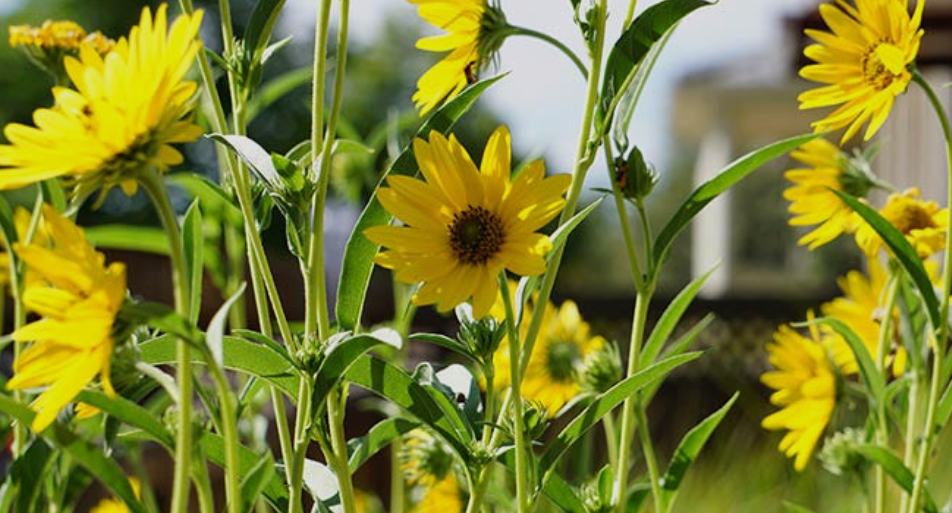
Sunflowers that Are Perennials
Maximilian Sunflower (Helianthus maximiliani)
Maximilian Sunflower is a tall, hardy perennial known for its bright yellow blooms that appear in late summer and fall. It can grow up to 10 feet tall and spreads through underground rhizomes. This sunflower is drought-tolerant and attracts pollinators such as bees and butterflies.
Jerusalem Artichoke (Helianthus tuberosus)
Jerusalem Artichoke produces cheerful yellow flowers along tall stems and is also valued for its edible underground tubers. It spreads easily and returns every year with vigorous growth. The plant thrives in many soil types and provides food for wildlife as well as gardeners.
Swamp Sunflower (Helianthus angustifolius)
Swamp Sunflower blooms profusely with golden flowers in late autumn. It prefers moist soils but adapts to garden conditions once established. This perennial variety is excellent for attracting butterflies and adds bright color late in the growing season.
Western Sunflower (Helianthus occidentalis)
Western Sunflower is a shorter perennial species with smooth stems and bright yellow blooms. It grows well in prairies and dry soils, making it ideal for low-maintenance gardens. Its upright growth habit makes it suitable for borders and naturalized plantings.
Ashy Sunflower (Helianthus mollis)
Ashy Sunflower has soft, silvery-green leaves and large yellow flowers. It spreads slowly through rhizomes, forming attractive colonies over time. This species is drought-tolerant and works well in wildflower gardens and prairie landscapes.
Giant Sunflower (Helianthus giganteus)
Giant Sunflower produces tall stems and clusters of yellow blooms that sway gracefully in the wind. It thrives in moist soils and natural meadow settings. This perennial sunflower provides habitat and nectar for pollinators.
Willowleaf Sunflower (Helianthus salicifolius)
Willowleaf Sunflower features narrow, willow-like leaves and numerous small yellow flowers. It creates a soft, airy appearance in gardens and blooms late in the season. This plant is hardy and tolerant of drought once established.
Woodland Sunflower (Helianthus divaricatus)
Woodland Sunflower grows well in partial shade, unlike many sunflowers that require full sun. It produces bright yellow flowers and spreads gradually to form natural groundcover. It is excellent for woodland edges and natural garden designs.
Showy Sunflower (Helianthus laetiflorus)
Showy Sunflower produces large, bright blooms on sturdy stems and spreads through underground rhizomes. It is easy to grow and thrives in sunny locations. The flowers attract bees and butterflies throughout late summer.
Prairie Sunflower (Helianthus pauciflorus)
Prairie Sunflower is a tough perennial adapted to grasslands and dry conditions. It produces fewer but larger flowers compared to some species. Its resilience makes it perfect for prairie restoration and low-water gardens.
Cucumberleaf Sunflower (Helianthus debilis)
Though sometimes short-lived, Cucumberleaf Sunflower can behave as a perennial in warm climates. It produces bright yellow flowers with dark centers and spreads quickly. It works well in sandy soils and coastal gardens.
Hairy Sunflower (Helianthus hirsutus)
Hairy Sunflower is named for its slightly rough, hairy stems and leaves. It produces clusters of yellow flowers and thrives in woodland openings and prairies. This perennial species is hardy, adaptable, and beneficial for pollinators.