Small trees that grow well in shade are valuable additions to gardens where sunlight is limited. Many landscapes include areas shaded by buildings, walls, or taller vegetation, making it difficult for sun-loving plants to thrive. Shade-tolerant small trees are adapted to these conditions and can grow steadily even with reduced direct sunlight.
In general, these trees are naturally suited to woodland environments where taller plants block much of the sunlight. Because of this adaptation, they are capable of performing well in filtered light or partial shade. Their leaves are often structured to capture available light efficiently, allowing them to maintain healthy growth under shaded conditions.
These trees are especially useful in compact landscapes, courtyards, and small gardens. Their modest size means they do not overwhelm limited spaces, while their shade tolerance allows them to fill areas that might otherwise remain empty or difficult to plant. This makes them practical for urban gardens and residential yards with limited exposure to full sun.
Another advantage is their contribution to visual interest in shaded spaces. Even in low-light areas, small trees can add structure, seasonal beauty, and greenery to the landscape. They may provide features such as interesting bark, attractive foliage, or subtle seasonal changes that enhance garden design.
Small Trees That Grow Well in Shade
Dogwood
Dogwood is the quintessential shade tree, thriving as an understory species in partial to full shade with spectacular spring flowers. This native tree reaches 15-30 feet tall and naturally grows beneath forest canopies where it produces white or pink blooms, red fall berries, and brilliant autumn color. Dogwood prefers dappled shade to full shade, tolerates competition from tree roots, and provides four-season beauty in woodland gardens and shaded yards.
Japanese Maple
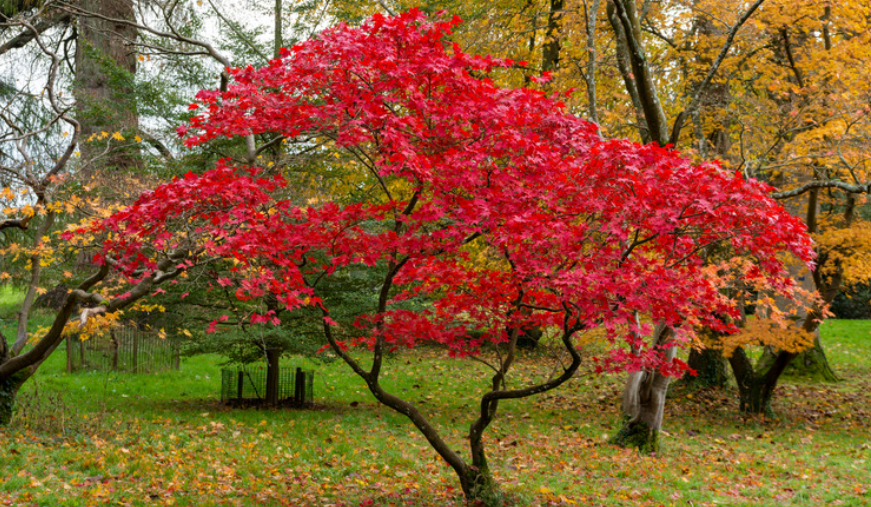
Japanese maple tolerates partial shade and often performs better with afternoon shade protection, especially in hot climates where sun can scorch delicate foliage. These elegant trees reach 15-25 feet tall and produce spectacular foliage in colors from green to deep purple with improved leaf color in partial shade. Japanese maple thrives in dappled sunlight beneath taller trees, prefers protection from harsh afternoon sun, and provides year-round interest in shaded gardens.
Serviceberry
Serviceberry thrives in partial shade to full sun as an understory tree, producing white spring flowers, edible berries, and brilliant fall color. This native tree reaches 15-25 feet tall and naturally grows in forest edges and beneath larger trees where dappled light penetrates. Serviceberry tolerates shade from buildings and trees, adapts to various light conditions, and provides multi-season interest with excellent shade tolerance.
Redbud
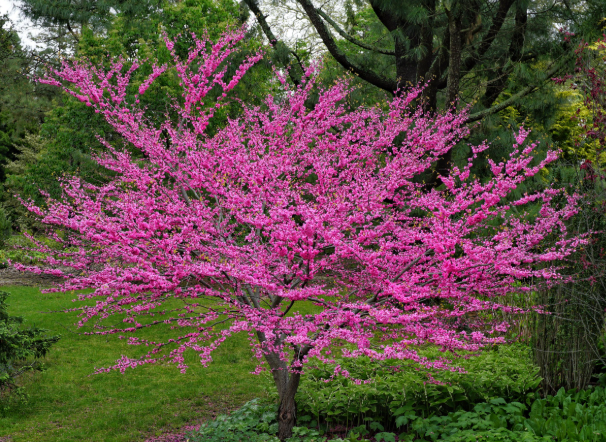
Redbud grows naturally as an understory tree in woodland settings, thriving in partial to full shade with spectacular pink spring flowers on bare branches. This native tree reaches 20-30 feet tall and blooms prolifically even in significant shade beneath larger trees. Redbud tolerates competition from tree roots, prefers some shade protection especially in southern climates, and provides stunning early spring color in shaded landscapes.
Kousa Dogwood
Kousa dogwood tolerates partial shade like its native cousin, producing late spring flowers and edible fruits in woodland conditions. This Asian species reaches 15-30 feet tall and demonstrates superior disease resistance while adapting to shaded understory positions. Kousa dogwood performs well in dappled shade, tolerates more sun than native dogwood, and provides multi-season beauty including exfoliating bark.
Paperbark Maple
Paperbark maple tolerates partial shade and often benefits from afternoon shade protection, especially in warmer climates where bark color intensifies. This Chinese maple reaches 20-30 feet tall and displays stunning cinnamon-colored exfoliating bark that provides year-round interest. Paperbark maple thrives in woodland edges with dappled light, tolerates competition from larger trees, and provides exceptional bark interest in shaded gardens.
Witch Hazel
Witch hazel thrives in partial to full shade as a native understory plant, producing fragrant flowers in fall or winter when few plants bloom. This multi-stemmed tree reaches 15-20 feet tall and naturally grows beneath forest canopies where it blooms spectacularly despite limited light. Witch hazel prefers shade to partial shade, tolerates dense shade better than most flowering trees, and provides unique off-season blooms.
Fringe Tree
Fringe tree tolerates partial shade and produces spectacular feathery white flowers even in reduced light conditions beneath larger trees. This native tree reaches 15-25 feet tall and creates stunning late spring displays with fragrant flowers covering the canopy. Fringe tree adapts to woodland edges with dappled shade, tolerates competition from tree roots, and provides dark blue fruits after flowering.
American Holly
American holly thrives in partial to full shade as an evergreen understory tree, maintaining dense foliage and producing red berries in shaded conditions. This native evergreen reaches 30-50 feet tall but can be maintained smaller through pruning and naturally grows beneath forest canopies. American holly tolerates deep shade better than most evergreens, provides year-round structure, and produces winter berries attracting birds.
Silverbell
Silverbell grows naturally as an understory tree in mountain forests, producing cascading white bell-shaped flowers in partial to full shade. This native tree reaches 30-40 feet tall in nature but remains smaller in cultivation, thriving beneath larger trees with dappled light. Silverbell prefers moist shaded sites, tolerates significant shade while still flowering, and provides delicate spring beauty in woodland gardens.
Stewartia
Stewartia tolerates partial shade and often performs better with some shade protection, producing camellia-like flowers and spectacular exfoliating bark. This elegant tree reaches 20-40 feet tall and thrives in woodland settings with dappled light and afternoon shade. Stewartia prefers acidic soil in partial shade, demonstrates multi-season interest including summer flowers and fall color, and adapts well to understory positions.
Japanese Snowbell
Japanese snowbell thrives in partial shade to full sun, producing delicate white bell-shaped flowers that hang beneath branches in late spring. This graceful tree reaches 20-30 feet tall and naturally grows as an understory species where its pendulous flowers are best viewed from below. Japanese snowbell prefers moist shaded sites, tolerates competition from larger trees, and provides elegant refined beauty in shade gardens.
Mountain Laurel
Mountain laurel is technically a large shrub but can be trained as a small tree, thriving in partial to full shade with spectacular flower clusters. This native evergreen reaches 10-15 feet tall and produces showy pink or white flowers in late spring even in significant shade. Mountain laurel prefers acidic soil in shade, tolerates dense shade beneath larger trees, and provides year-round evergreen structure with spectacular blooms.
Sourwood
Sourwood tolerates partial shade as an understory tree, producing drooping white flower clusters and brilliant scarlet fall color in woodland settings. This native tree reaches 25-40 feet tall and naturally grows beneath larger trees in Appalachian forests. Sourwood prefers acidic soil with afternoon shade, tolerates significant shade while still flowering, and provides exceptional fall display even in reduced light.
Umbrella Magnolia
Umbrella magnolia thrives in partial to full shade as an understory species, producing enormous leaves and large white flowers in woodland settings. This native magnolia reaches 20-30 feet tall with leaves up to 2 feet long creating dramatic tropical effect in shade. Umbrella magnolia prefers moist shaded sites, tolerates deep shade better than most magnolias, and provides bold architectural presence in woodland gardens.
Striped Maple
Striped maple grows naturally as an understory tree in northern forests, thriving in full shade with distinctive green-and-white striped bark. This native maple reaches 15-25 feet tall and provides year-round interest through unusual bark markings visible even in winter. Striped maple prefers cool moist shade, tolerates dense shade beneath larger trees, and provides unique bark interest for northern woodland gardens.
Pawpaw
Pawpaw thrives in partial to full shade as an understory tree, producing edible tropical fruits and large leaves in woodland conditions. This native tree reaches 15-30 feet tall and naturally grows beneath forest canopies where it produces custard-like fruits. Pawpaw prefers shade when young, tolerates significant shade while still fruiting, and provides unique edible harvest in shaded landscapes.
Bottlebrush Buckeye
Bottlebrush buckeye is a large shrub or small tree thriving in partial to full shade, producing spectacular white flower spikes in summer. This native reaches 8-12 feet tall and spreads through suckers to form colonies, blooming prolifically even in significant shade. Bottlebrush buckeye tolerates dense shade beneath larger trees, provides mid-summer flowers when few shade plants bloom, and creates impressive spreading colonies.
Yew (Tree forms)
Yew tolerates deep shade better than almost any evergreen, with tree-form varieties reaching 15-30 feet providing year-round structure. These ancient conifers thrive in full shade beneath larger trees where they maintain dense dark green foliage year-round. Yew adapts to the densest shade, tolerates competition from tree roots, and provides reliable evergreen presence in the darkest garden areas.
Hornbeam
Hornbeam tolerates partial shade and adapts well to understory positions, reaching 30-40 feet with dense branching and golden fall color. This elegant tree thrives in woodland edges with dappled light and tolerates competition from larger trees. Hornbeam prefers moist shade, maintains dense formal appearance even in reduced light, and provides excellent structure in shaded landscapes.
Fothergilla
Fothergilla is a large shrub that can be trained as a small multi-stemmed tree, thriving in partial to full shade with fragrant bottlebrush flowers. This native reaches 6-10 feet tall and produces white honey-scented flowers in spring followed by brilliant fall color. Fothergilla prefers acidic soil in shade, tolerates significant shade while flowering and coloring well, and provides multi-season interest in woodland gardens.