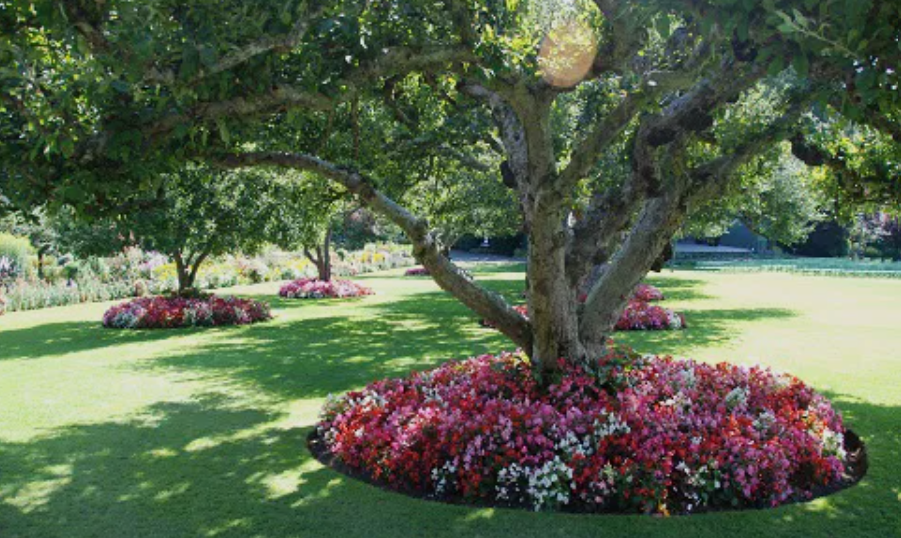
Growing shrubs under oak trees presents several challenges including deep to moderate shade, competition from shallow spreading roots, dry summer conditions, acidic leaf litter, and allelopathic compounds in some oak species. Successful understory shrubs must tolerate these conditions while competing with oak roots for water and nutrients.
Shrubs that grow well under oak trees are plants adapted to shade, dry soil, and strong root competition. Oak trees have wide canopies that block much of the sunlight and large root systems that absorb significant amounts of water and nutrients. Shrubs that succeed in these conditions are typically shade-tolerant and able to grow with limited resources.
The soil beneath oak trees is often dry and rich in fallen leaves, which slowly break down into organic matter. Shrubs that naturally grow in woodland environments tend to perform best because they are adapted to filtered light and seasonal leaf litter. These plants can thrive in partial to full shade while benefiting from improved soil structure over time.
Successful shrubs under oak trees usually have shallow or adaptable root systems that do not compete aggressively with the tree’s roots. They are also tolerant of slightly acidic soil conditions commonly created by decomposing oak leaves. Hardy shrubs with flexible growth habits establish more easily in these challenging spaces.
Proper planting techniques help shrubs survive and grow well beneath oak trees. Planting carefully to avoid damaging large roots, adding compost to improve soil quality, and watering regularly during the first growing season are important steps. Applying mulch helps retain moisture and reduces stress from dry conditions.
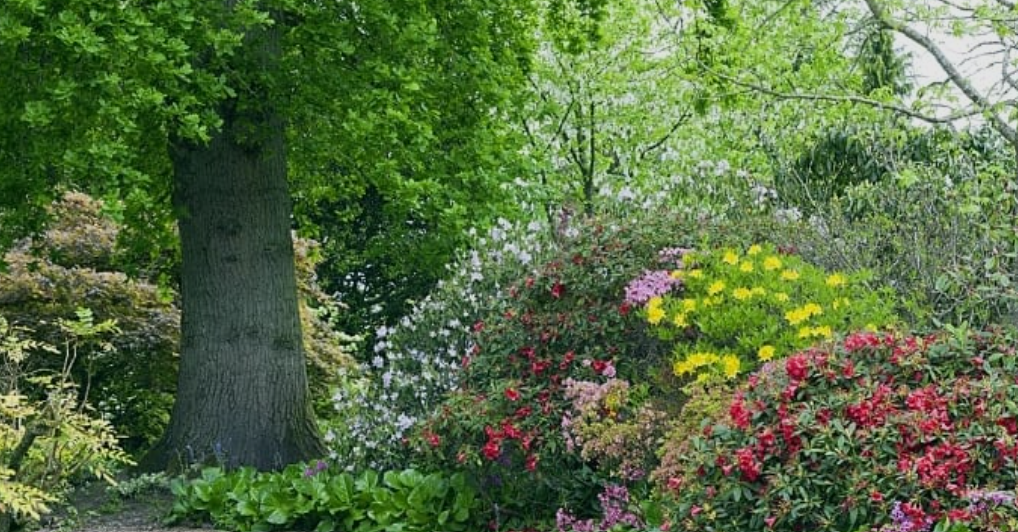
Shrubs That Grow Well Under Oak Trees
Native Azaleas
Native azaleas, including flame azalea, pinxterbloom, and roseshell azalea, are perfectly adapted to growing under oak trees in acidic, woodland conditions. These deciduous shrubs produce spectacular fragrant flowers in shades of orange, pink, red, and white and thrive in the dappled shade and acidic leaf litter created by oaks.
Native azaleas evolved alongside oaks in eastern North American forests and have developed perfect adaptations to the challenging conditions including dry summers and root competition. The spectacular flowers, fragrant blooms, and native adaptation make these azaleas outstanding choices for oak understory planting.
Mountain Laurel
Mountain laurel is native to oak woodlands and thrives in the acidic, well-drained soils and dappled shade created by oak canopies. These broad-leaved evergreens reach 7-15 feet tall and produce distinctive cup-shaped flowers in late spring.
Mountain laurel naturally grows alongside oaks throughout its Appalachian range and has evolved to tolerate the acidic leaf litter, root competition, and dry summer conditions characteristic of oak understory environments. The beautiful flowers, evergreen foliage, and native adaptation make mountain laurel one of the finest shrubs for oak understory planting.
Serviceberry (Juneberry)
Serviceberry naturally grows as an understory shrub in oak woodlands throughout North America, making it perfectly suited to life beneath oak trees. These multi-stemmed shrubs provide beautiful white spring flowers, sweet edible berries in early summer, and brilliant fall color while adapting to the challenging conditions under oaks.
Serviceberry’s native woodland adaptation allows it to compete effectively with oak roots for moisture and nutrients while tolerating the acidic, dry conditions created by oak leaf litter. The multi-season interest and natural oak understory adaptation make serviceberry exceptional.
Spicebush
Spicebush is a native woodland shrub that naturally grows under oak trees in moist, shaded conditions throughout eastern North America. These aromatic shrubs produce tiny yellow flowers in early spring before leaves emerge, bright red berries, and golden fall color.
Spicebush is specifically adapted to the conditions found under oak canopies and serves as a critical host plant for Spicebush Swallowtail butterflies. The natural co-evolution with oaks, aromatic properties, wildlife benefits, and spring flowers make spicebush one of the most ecologically appropriate choices for oak understory planting.
Witch Hazel
Witch hazel is a native understory shrub that grows naturally under oak trees in woodland settings throughout eastern North America. These large shrubs produce uniquely fragrant yellow, orange, or red strap-petaled flowers in fall or winter when oak canopies are bare, providing unusual seasonal interest.
Witch hazel tolerates the acidic, dry conditions and root competition found under oaks, and its native woodland adaptation makes it perfectly suited to competing with oak roots while providing ornamental value during the dormant season.
Rhododendron
Rhododendrons thrive under oak trees where acidic leaf litter and dappled shade create ideal growing conditions for these acid-loving evergreens. Both native rhododendrons like Rhododendron maximum and hybrid varieties appreciate the cool, acidic, moist soil conditions found in oak understory environments.
The evergreen foliage provides year-round screening and structure under oak canopies, and the spectacular spring flower clusters create dramatic displays. Planting rhododendrons on the north or east side of oak trunks provides the morning sun and afternoon shade they prefer.
Wild Hydrangea (Hydrangea arborescens)
Wild hydrangea is native to oak woodlands and adapts perfectly to the challenging conditions under oak trees including dry, acidic soil and partial to deep shade. These native shrubs produce large white flower clusters in summer and tolerate the root competition and dry conditions characteristic of oak understories.
Wild hydrangea’s native woodland habitat overlaps significantly with oak forests, demonstrating its natural adaptation to these conditions, and popular cultivars like Annabelle maintain the species’ excellent oak understory tolerance while offering improved ornamental qualities.
Virginia Sweetspire (Itea)
Virginia sweetspire grows naturally in moist oak woodlands and adapts well to the challenging conditions found under oak trees. These graceful native shrubs produce fragrant white flower spikes in early summer and develop spectacular fall color that performs even in the shaded conditions under oak canopies.
Virginia sweetspire’s native woodland adaptation allows it to tolerate root competition, dry summer conditions, and acidic soil while providing exceptional ornamental value. The fragrant summer flowers and brilliant fall color make itea particularly rewarding under oak trees.
Oakleaf Hydrangea
Oakleaf hydrangea is specifically adapted to the conditions under oak trees, having evolved in the same southeastern woodland habitats where oaks are dominant. These large native shrubs produce cone-shaped white flower clusters that age to pink and parchment, exfoliating cinnamon-colored bark, and spectacular burgundy-red fall color.
Oakleaf hydrangea tolerates deep shade, acidic soil, dry summers, and root competition characteristic of oak understories, and the botanical name Hydrangea quercifolia literally references its native oak woodland habitat, making it perhaps the single most appropriate shrub for planting under oaks.
American Hazelnut
American hazelnut naturally grows as an understory shrub in oak woodlands and produces edible nuts while adapting to the challenging conditions under oak canopies. These productive shrubs reach 8-12 feet tall with attractive foliage, early spring catkins, and edible hazelnuts in fall.
American hazelnut’s native co-occurrence with oaks throughout eastern North American forests demonstrates its compatibility with oak growing conditions, and the edible nut production, wildlife value, and attractive form make hazelnut one of the most rewarding shrubs to grow under established oaks.
Buttonbush
Buttonbush grows in moist woodland settings alongside oaks and demonstrates excellent adaptation to the conditions found in oak understory environments. These native shrubs produce unique spherical white flower heads in summer that attract pollinators and provide important wildlife habitat.
Buttonbush tolerates the variable moisture conditions under oak trees and its native woodland adaptation helps it compete with oak roots while providing ornamental value. The unique flowers, exceptional wildlife benefits, and adaptability to oak understory conditions make buttonbush valuable for moist situations under oaks.
Beautyberry (Callicarpa americana)
American beautyberry naturally grows in the understory of oak forests throughout the southeastern United States, making it perfectly adapted to oak growing conditions. These large shrubs produce stunning clusters of iridescent purple berries along arching stems in fall that create spectacular displays.
Beautyberry tolerates the dry, acidic conditions and shade under oak canopies and its native adaptation to oak forest understories ensures reliable performance. The spectacular fall berries, native adaptation, and tolerance of challenging oak conditions make beautyberry outstanding for southeastern oak understory planting.
Leucothoe
Leucothoe thrives in the acidic, moist, shaded conditions found under oak trees, particularly in woodland settings where moisture is consistent. These graceful, arching evergreens reach 3-6 feet tall with attractive foliage that turns reddish-purple in fall and white flower clusters in spring.
Leucothoe’s preference for acidic soil and shade perfectly matches the conditions created by oak canopies and leaf litter. The arching form, seasonal foliage color changes, and excellent adaptation to acidic oak woodland conditions make leucothoe an outstanding evergreen for oak understory planting.
Sweetshrub (Carolina Allspice)
Sweetshrub or Carolina allspice grows naturally in the understory of oak woodlands and produces unique burgundy-red flowers with an intense fruity fragrance. These spreading native shrubs reach 6-9 feet tall and tolerate the shade, dry conditions, and root competition found under oak canopies.
The intensely fragrant flowers provide sensory interest rarely found in shade-tolerant shrubs, and sweetshrub’s natural oak woodland habitat makes it perfectly adapted to competing with oak roots. The spicy-sweet fragrance and unusual flowers make sweetshrub a rewarding and appropriate oak understory shrub.
Inkberry Holly
Inkberry holly thrives in the acidic, moist woodland conditions found under oak trees and provides important year-round interest with its evergreen foliage and persistent black berries. These native shrubs reach 5-8 feet tall and naturally grow in woodland settings where oaks are common.
Inkberry tolerates the acidic leaf litter, variable moisture, and shade found under oak canopies while providing wildlife food through its abundant black berries. The native woodland adaptation, evergreen foliage, and wildlife value make inkberry a reliable choice for oak understory situations.
Wild Ginger (Asarum canadense)
Wild ginger forms large, spreading clumps under oak trees, thriving in the acidic, shaded conditions created by oak leaf litter and canopy shade. While technically a groundcover, large established clumps develop woody characteristics that give them shrub-like presence in oak understory plantings.
Wild ginger’s native woodland adaptation makes it perfectly suited to the challenging conditions under oaks, and the attractive heart-shaped leaves create attractive groundcover while tolerating root competition and dry summer conditions.
Elderberry
Elderberry grows naturally in woodland edges where oaks are common and demonstrates good adaptability to oak understory conditions. These vigorous shrubs produce flat-topped white flower clusters and dark purple berries valuable for syrups, wines, and wildlife food while tolerating the challenging conditions under oak trees.
Elderberry’s deep roots help it access moisture and nutrients below the zone of densest oak root competition, and the edible berries, wildlife value, and adaptability to oak woodland conditions make it a productive and functional understory shrub.
Pawpaw
Pawpaw naturally grows as an understory tree or large shrub in the same woodland habitats as oaks throughout eastern North America. These shade-tolerant shrubs produce tropical-tasting fruits with banana-mango-vanilla flavors and are specifically adapted to growing under larger canopy trees.
Pawpaw’s native co-occurrence with oaks in eastern forests demonstrates its compatibility with oak growing conditions, and the unique edible fruits, native adaptation, and tolerance of shade and root competition make pawpaw one of the most rewarding fruiting shrubs for oak understory planting.
Smooth Sumac
Smooth sumac grows in oak woodland edges and clearings, demonstrating good adaptability to the challenging conditions near oak trees. These spreading shrubs develop spectacular compound leaves with brilliant red fall color and dense red fruit clusters that persist through winter.
Smooth sumac tolerates the dry, acidic conditions near oaks and spreads through root suckers to form naturalistic colonies. The exceptional fall color, winter fruit, wildlife value, and adaptability to dry oak woodland conditions make smooth sumac excellent for naturalizing areas under large oaks.
Fothergilla
Fothergilla is a native shrub naturally found in acidic woodland settings alongside oaks throughout its southeastern range. These compact to medium shrubs produce fragrant white bottlebrush flowers in spring before leaves emerge and develop spectacular fall color in shades of orange, red, and yellow.
Fothergilla’s preference for acidic, well-drained soil perfectly matches the conditions under oak trees, and its native woodland adaptation ensures reliable performance in the challenging oak understory environment. The spring flowers, exceptional fall color, and native adaptation make fothergilla outstanding for oak understory planting.
Dwarf Bush Honeysuckle
Dwarf bush honeysuckle is a native shrub that grows in oak woodland edges and demonstrates good adaptability to the shade and root competition found under oak trees. These compact native shrubs produce yellow to orange tubular flowers in summer, attractive berries, and good fall color while tolerating the dry, acidic conditions created by oak canopies.
The native adaptation to oak woodland habitats, non-invasive nature unlike exotic honeysuckles, and ornamental value make dwarf bush honeysuckle a responsible and attractive choice for oak understory planting.
Chokeberry (Aronia)
Chokeberry naturally grows in woodland edges where oaks are common and adapts well to the acidic, partially shaded conditions found under oak trees. These native shrubs produce white spring flowers, colorful fruit in fall, and exceptional fall color while tolerating variable moisture conditions and root competition.
Aronia’s adaptability to acidic soil and partial shade matches the conditions created by oak canopies, and the multi-season ornamental interest, wildlife benefits, and adaptability to oak woodland conditions make chokeberry an excellent native shrub for oak understory planting.
Wild Rose (Rosa carolina)
Carolina rose or pasture rose naturally grows in open oak woodlands and demonstrates good adaptability to the dry, acidic conditions under oak canopies. These native roses produce fragrant pink flowers in early summer followed by red rose hips that persist into winter providing wildlife food.
Carolina rose’s native woodland adaptation makes it better suited to oak understory conditions than hybrid roses, and the fragrant flowers, attractive hips, and tolerance of dry, acidic soil under oaks make it a rewarding native choice for naturalistic oak understory planting.
Ninebark
Ninebark demonstrates good adaptability to the challenging conditions under oak trees and provides multi-season ornamental interest with attractive peeling bark, spring flowers, and colorful foliage options. These native shrubs reach 5-8 feet tall with white or pink spring flowers, interesting exfoliating bark, and foliage available in burgundy, gold, or green.
Ninebark tolerates the dry, acidic conditions and partial shade found under oak canopies, and the colorful foliage cultivars, interesting bark, spring flowers, and adaptability to challenging oak understory conditions make ninebark a versatile and attractive choice.