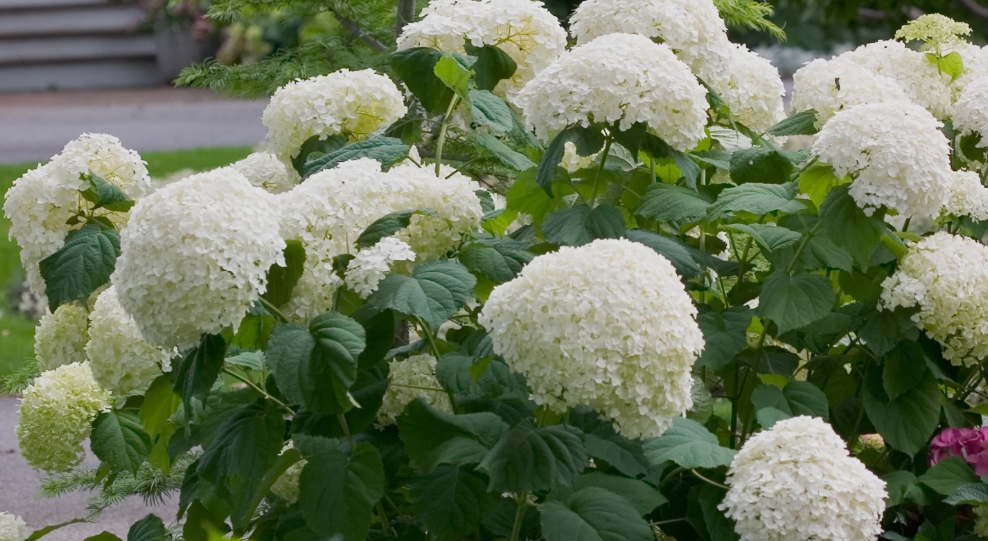
Shrubs that grow in wet clay soil are specially adapted to handle heavy, dense ground that holds water for long periods. Clay soil drains slowly and can become compacted, making it difficult for many plants to survive. However, certain shrubs thrive in these conditions because their roots tolerate low oxygen levels and excess moisture.
Wet clay soil is often rich in nutrients, even though it can be challenging for plant roots. Shrubs suited to this environment usually develop strong, shallow, or spreading root systems that allow them to absorb nutrients without rotting. These plants help stabilize soil and improve structure over time by adding organic matter.
Many moisture-loving shrubs naturally grow near rivers, wetlands, or low-lying areas where soil stays damp. Their adaptability allows them to survive seasonal flooding or consistently wet conditions. Once established, these shrubs often require less maintenance because they are already suited to the environment.
Planting techniques can improve success when growing shrubs in wet clay soil. Adding organic compost, planting slightly above ground level, and mulching around the base help roots breathe while retaining moisture balance. Proper spacing also encourages airflow and reduces disease problems caused by excess humidity.
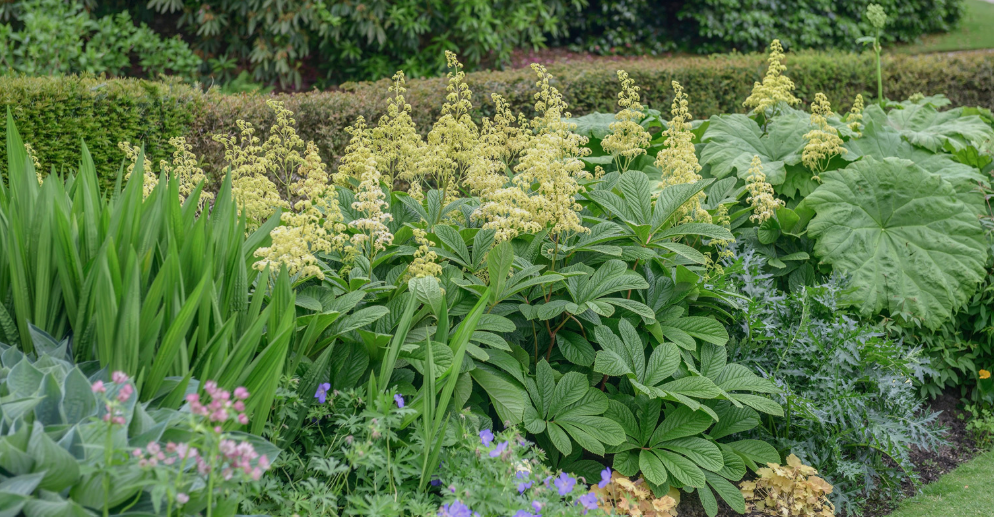
Shrubs That Grow in Wet Clay Soil
Red Twig Dogwood
Red twig dogwood is one of the best shrubs for wet clay soil, thriving in poorly drained areas and providing year-round interest through its brilliant red winter stems. These vigorous shrubs reach 6-9 feet tall and spread through suckers to form dense colonies.
Red twig dogwood tolerates standing water for extended periods, making it ideal for rain gardens, stream banks, and low-lying areas with heavy clay soils. The white spring flowers, attractive foliage, and stunning red winter stems provide multi-season interest in challenging wet conditions.
Buttonbush
Buttonbush is a native shrub perfectly adapted to wet clay soils, naturally growing along stream banks, pond edges, and seasonally flooded areas. These rounded shrubs reach 6-12 feet tall and produce unique white, spherical flower heads in summer that attract pollinators and butterflies.
Buttonbush tolerates extended flooding and poorly drained heavy clay, making it invaluable for bioretention areas and consistently wet landscapes. The interesting seed heads persist into winter providing wildlife food, and the shrub’s exceptional flood tolerance makes it one of the most reliable choices for chronically wet clay sites.
Elderberry
Elderberry thrives in wet clay soil and naturally grows along stream banks, wet roadsides, and moist woodlands throughout North America. These large shrubs reach 8-12 feet tall and produce flat-topped white flower clusters followed by dark purple berries valuable for making syrups, wines, and jellies.
Elderberry’s deep roots help break up compacted clay while tolerating the poor drainage that kills many other shrubs. The wildlife value, edible berries, and adaptability to wet clay conditions make elderberry an excellent functional and ornamental shrub for challenging sites.
Swamp Rose
Swamp rose is a native rose species specifically adapted to wet, poorly drained soils and naturally grows in marshes, swamp edges, and stream banks. These thorny shrubs reach 4-6 feet tall and produce fragrant pink flowers in summer followed by red rose hips that persist through winter.
Swamp rose tolerates wet clay beautifully and provides important wildlife habitat through its flowers, hips, and thorny branches. The fragrant blooms, fall fruit, and native adaptation make swamp rose an excellent choice for naturalizing wet clay areas while providing ornamental beauty.
Inkberry Holly
Inkberry holly is a native evergreen shrub that thrives in wet, acidic clay soils, naturally growing in swamps and wet woodlands throughout the eastern United States. These dense shrubs reach 5-8 feet tall with glossy, dark green leaves and small black berries that persist through winter.
Inkberry tolerates seasonal flooding, wet clay, and shade while providing year-round screening and wildlife food. Compact cultivars like Shamrock and Gem Box maintain smaller sizes while retaining the species’ excellent tolerance of wet, heavy clay conditions.
Spicebush
Spicebush is a native woodland shrub that thrives in moist, clay-rich soils and naturally grows in bottomland forests and along stream banks. These aromatic shrubs reach 6-12 feet tall and produce tiny yellow flowers in early spring followed by bright red berries.
Spicebush is an important host plant for Spicebush Swallowtail butterflies and provides food for numerous birds. The aromatic leaves and bark emit a spicy fragrance when crushed, and the shrub’s excellent tolerance of wet clay conditions and shade makes it valuable for naturalizing difficult sites.
Virginia Sweetspire
Virginia sweetspire is a native shrub that thrives in wet clay soils, naturally growing along stream banks and in moist woodland edges. These graceful shrubs reach 3-5 feet tall with arching branches covered in fragrant white flower spikes in summer.
Virginia sweetspire provides excellent fall color ranging from orange to crimson to purple, and it tolerates wet, poorly drained clay while adapting to varying moisture levels. Cultivars like Henry’s Garnet offer improved fall color and compact habit while maintaining excellent tolerance of challenging wet clay conditions.
Winterberry Holly
Winterberry holly is a native deciduous shrub that thrives in wet, acidic clay soils, naturally growing in swamps and moist woodland edges. The female plants produce spectacular displays of bright red berries that persist through winter after leaves drop, creating stunning seasonal interest.
Both male and female plants are needed for berry production, and winterberry tolerates standing water and heavy clay better than almost any other ornamental shrub. The brilliant winter berries and excellent adaptability to wet conditions make winterberry one of the most valuable shrubs for challenging clay sites.
Arrowwood Viburnum
Arrowwood viburnum is an exceptionally adaptable native shrub that tolerates wet clay soils while providing multi-season interest. These vigorous shrubs reach 6-10 feet tall with white flower clusters in spring, dark blue-black berries in fall, and good fall color.
Arrowwood viburnum handles both wet and dry periods in clay soil, making it useful in rain gardens and areas with variable moisture. The shrub’s adaptability, wildlife value through berries and flowers, and tolerance of wet clay conditions make it one of the most versatile native shrubs available.
American Beautyberry
American beautyberry thrives in moist, clay-rich soils and produces stunning clusters of brilliant purple berries along its arching stems in fall. These large shrubs reach 4-8 feet tall and grow naturally in moist woodland edges and stream banks.
Beautyberry tolerates wet clay conditions while providing exceptional ornamental value through its unique, eye-catching berries that attract birds. The shrub dies back to the ground in colder climates but regrows vigorously each spring, making it low-maintenance for wet clay gardens.
Swamp Azalea
Swamp azalea is a native flowering shrub that naturally grows in wet, acidic clay soils along swamp edges and stream banks. These fragrant shrubs reach 4-8 feet tall and produce white to pale pink tubular flowers in summer after most other azaleas have finished blooming.
Swamp azalea tolerates poorly drained clay and occasional flooding while providing intense fragrance and attractive blooms. The late summer flowering period extends the garden’s blooming season, and the shrub’s native adaptation to wet, acidic clay makes it invaluable for challenging moist sites.
Swamp Hibiscus (Rose Mallow)
Swamp hibiscus is a large native perennial shrub that thrives in wet, poorly drained clay soils, naturally growing in marshes, swamp edges, and wet meadows. These dramatic plants reach 4-7 feet tall and produce enormous flowers up to 12 inches across in shades of red, pink, or white during summer.
Swamp hibiscus tolerates extended flooding and heavy clay, making it spectacular for consistently wet areas. The enormous blooms and bold tropical appearance create dramatic garden statements in areas where most ornamentals fail.
Pussy Willow
Pussy willow thrives in wet clay soil and is naturally found along stream banks, pond edges, and other wet areas throughout its native range. These large shrubs or small trees reach 6-15 feet tall and produce the beloved fuzzy catkins in early spring that signal the end of winter.
Pussy willow’s aggressive root system actually helps break up compacted clay while stabilizing stream banks and wet slopes. The early spring catkins provide important early-season pollen for emerging bees, and the shrub’s extreme tolerance of wet conditions makes it ideal for problem wet clay areas.
Sweet Pepperbush (Clethra)
Sweet pepperbush is a native shrub that thrives in wet, acidic clay soils and naturally grows in coastal wetlands, moist woodlands, and stream banks. These rounded shrubs reach 3-8 feet tall and produce fragrant white or pink flower spikes in mid-summer when few other shrubs bloom.
Sweet pepperbush tolerates standing water for short periods and grows best in consistently moist, acidic clay conditions. The intense summer fragrance, excellent fall color, and adaptability to wet sites make clethra one of the most valuable shrubs for moist, challenging clay conditions.
Highbush Blueberry
Highbush blueberry naturally grows in wet, acidic clay soils in swamps and bogs, making it an excellent productive shrub for challenging wet sites. These shrubs reach 6-12 feet tall and produce delicious blueberries along with white spring flowers and brilliant red fall color.
Highbush blueberry requires acidic soil pH between 4.5-5.5 and consistent moisture, thriving in wet clay that meets these requirements. The edible berries, ornamental qualities, and tolerance of wet, acidic clay make highbush blueberry a rewarding productive shrub for appropriate sites.
Chokeberry (Aronia)
Chokeberry is a native shrub that thrives in wet, poorly drained clay soils and is highly adaptable to various challenging conditions. Red chokeberry and black chokeberry both tolerate wet clay, producing white spring flowers, colorful fruit, and excellent fall color.
These low-maintenance shrubs reach 4-10 feet tall and provide multi-season interest with spring flowers, summer foliage, fall color, and persistent winter berries. The exceptional adaptability to wet clay combined with ornamental value and wildlife benefits makes chokeberry one of the most versatile native shrubs.
Leucothoe
Leucothoe is an evergreen to semi-evergreen native shrub that thrives in moist, acidic clay soils and shaded conditions. These graceful, arching shrubs reach 3-6 feet tall with attractive foliage that turns reddish-purple in fall and winter. Leucothoe produces white flower clusters in spring and tolerates the wet, poorly drained clay often found in shaded areas.
The combination of shade tolerance, wet clay adaptability, and year-round foliage interest makes leucothoe valuable for challenging shaded sites where other evergreens struggle.
Native Willows (Shrub Species)
Shrub willow species like Salix discolor, Salix purpurea, and other native willows thrive in wet clay soils, providing excellent erosion control and wildlife habitat. These flexible shrubs reach various heights depending on species and produce catkins valuable for early pollinators.
Shrub willows’ aggressive root systems stabilize stream banks and wet slopes while breaking up compacted clay. Their rapid growth, tolerance of standing water, and valuable ecological functions make shrub willows practical choices for wet clay problem areas needing quick stabilization.
Summersweet Clethra
Summersweet clethra, while related to sweet pepperbush, offers additional cultivars with varied bloom colors and sizes for wet clay gardens. Cultivars like Ruby Spice with deep pink flowers and Sixteen Candles with dense white spikes provide ornamental options for challenging wet conditions.
These shrubs reach 3-6 feet tall and produce intensely fragrant flowers in summer while tolerating wet, acidic clay. The fragrance, summer bloom period, fall color, and excellent wet clay tolerance make summersweet cultivars particularly valuable for residential wet clay gardens.
Swamp Leucothoe
Swamp leucothoe is another leucothoe species specifically adapted to wet, poorly drained soils and swamp margins. These shrubs reach 3-5 feet tall with long, arching branches and evergreen foliage in mild climates. Swamp leucothoe tolerates periodic flooding and heavy clay better than standard leucothoe, making it valuable for chronically wet areas.
The white flower clusters in spring, attractive arching form, and excellent tolerance of wet conditions make this native shrub useful for stream bank stabilization and wet clay landscape situations.
Meadowsweet (Spiraea)
Native meadowsweet spirea thrives in wet, poorly drained clay soils and naturally grows in wet meadows, stream banks, and moist woodland edges. These graceful shrubs reach 3-6 feet tall and produce fuzzy white or pink flower clusters in summer.
Meadowsweet tolerates standing water for short periods and thrives in consistently moist clay conditions. The summer flowers, attractive foliage, and excellent adaptability to wet clay make this native spiraea valuable for naturalizing wet areas and incorporating into rain gardens.
Buttonwood (Conocarpus)
Buttonwood is a shrub or small tree that grows in wet, poorly drained coastal soils and tolerates salt, flooding, and heavy clay conditions. These tough shrubs reach 10-15 feet tall and provide important coastal habitat while tolerating challenging conditions that defeat most landscape plants.
Buttonwood’s tolerance of wet clay combined with salt resistance makes it invaluable for coastal landscapes with challenging drainage conditions, and the interesting bark texture and wildlife value add ornamental and ecological benefits.
Carolina Allspice (Sweetshrub)
Carolina allspice thrives in moist, clay-rich soils and naturally grows in woodland edges and stream banks throughout the southeastern United States. These spreading shrubs reach 6-9 feet tall and produce unique, burgundy-red flowers with an intense fruity fragrance reminiscent of strawberries and spice.
Sweetshrub tolerates wet clay conditions and moderate shade while providing exceptional fragrance and interesting flowers. The spicy-sweet fragrance, unusual maroon blooms, and tolerance of wet clay make this native shrub a valuable aromatic addition to challenging sites.
Nandina (Heavenly Bamboo)
Nandina is an adaptable shrub that tolerates wet clay soils among many other challenging conditions, providing year-round ornamental interest. These evergreen shrubs reach 3-8 feet tall with bamboo-like canes, lacy foliage that changes color seasonally, and white flowers followed by red berries.
Nandina tolerates wet, poorly drained clay while adapting to varying moisture levels and sun exposures. While considered invasive in some southern regions, dwarf compact cultivars offer the ornamental benefits with reduced invasive potential for wet clay landscapes.
Joe Pye Weed (Eutrochium)
Joe Pye weed is a native shrub-like perennial that thrives in wet, clay-rich soils and naturally grows in moist meadows, stream banks, and wet woodland edges. These tall plants reach 4-7 feet and produce large, fluffy purple-pink flower clusters in late summer that attract monarch butterflies and other pollinators.
Joe Pye weed tolerates wet clay and even periodic flooding while providing outstanding wildlife value and late-season bloom. The massive flower clusters and butterfly-attracting qualities make this native plant a spectacular addition to wet clay landscapes.
Dwarf Bush Honeysuckle
Dwarf bush honeysuckle is a native shrub that tolerates wet clay soils while providing fragrant tubular flowers and good fall color. These compact shrubs reach 2-4 feet tall and produce yellow to orange flowers in summer followed by red berries. Dwarf bush honeysuckle is non-invasive unlike exotic honeysuckle species and provides excellent wildlife value through flowers and berries.
The tolerance of wet, poorly drained clay combined with ornamental interest and wildlife benefits makes this native honeysuckle valuable for challenging wet landscape situations.
Itea (Virginia Sweetspire)
Itea virginica deserves additional emphasis as one of the most outstanding shrubs for wet clay soil, combining exceptional adaptability with remarkable ornamental qualities. These native shrubs tolerate wet, poorly drained clay while performing equally well in drier conditions once established.
The fragrant white flower spikes in early summer, brilliant fall color that develops even in shaded conditions, and extreme adaptability make itea one of the most landscape-worthy shrubs for clay soil gardens. Multiple cultivars offer varied sizes and improved characteristics for different landscape applications.
Buttonbush Swamp Rose
The swamp buttonbush combination planting, using both buttonbush and swamp rose together, creates a naturalistic wet clay garden that provides flowers, berries, fragrance, and wildlife habitat throughout the seasons. While each plant stands alone, this pairing represents an excellent approach to wet clay gardening using native shrubs perfectly adapted to challenging conditions.
The combination provides continuous bloom from spring through summer and wildlife benefits throughout the year, demonstrating how multiple wet-tolerant native shrubs can work together to create beautiful, functional landscapes in chronically challenging clay soil conditions.