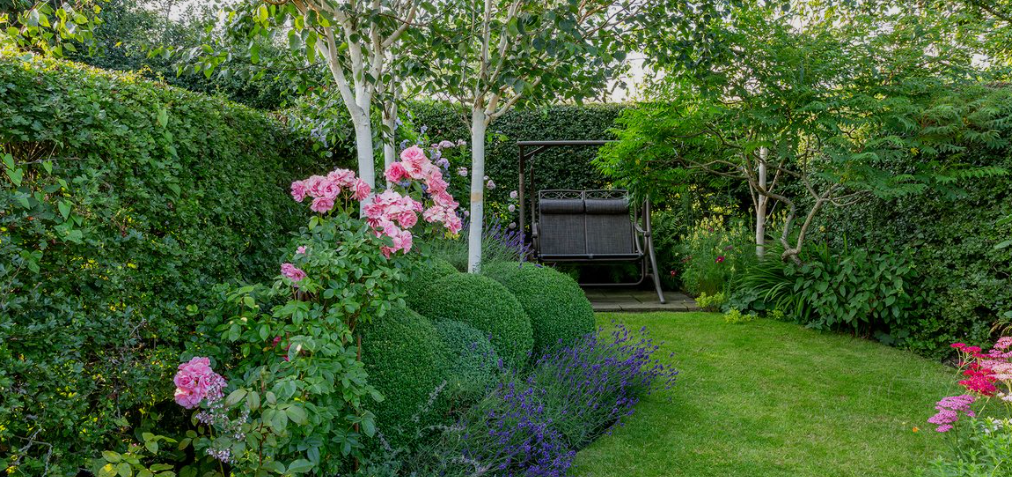
Shrubs that can be shaped into trees are versatile plants that respond well to pruning and training. These shrubs naturally have multiple stems or dense branching, allowing gardeners to selectively remove lower shoots and encourage a single trunk to develop. Over time, they can take on the appearance of small ornamental trees, adding structure and height to landscapes.
Many of these shrubs are used in formal gardens or as focal points because they combine the hardiness of a shrub with the vertical elegance of a tree. By carefully pruning and staking young plants, gardeners can guide their growth into a desired shape while maintaining health and vigor. Common examples include viburnums, certain hollies, and lilacs.
Regular pruning is key to shaping shrubs into trees. Removing competing stems encourages a dominant trunk to form, while trimming lateral branches ensures a balanced canopy. This process often takes a few growing seasons, but with patience, the shrub can develop into a strong, tree-like form.
These plants also benefit from good soil, adequate sunlight, and proper watering during establishment. Fertilization can support healthy growth and encourage fuller foliage, while mulch helps retain moisture and protect roots. Choosing a variety that naturally tolerates pruning makes the process easier and more successful.
Understanding Tree-Form Training
Training shrubs into tree form, called creating “standards,” involves selecting the strongest central stem, removing all competing stems and lower branches progressively over time, staking the central leader for support, and maintaining a clear trunk of desired height topped with a rounded or shaped canopy.
This process requires patience, typically taking 2-5 years to achieve desired form, and ongoing maintenance through regular pruning to maintain the tree shape. The resulting specimens create dramatic focal points, add vertical interest, and provide the appearance of small ornamental trees in spaces too limited for full-sized trees.
Shrubs That Can Be Shaped Into Trees
Lilac (Syringa vulgaris)
Lilac responds beautifully to tree-form training, developing into elegant single-trunk specimens that display fragrant spring flower clusters at eye level. These naturally multi-stemmed shrubs require gradual removal of competing stems over several years while the central leader is trained upward.
Standard lilac trees reach 6-10 feet with rounded canopies covered in fragrant purple, pink, or white flower clusters in spring.
Rose of Sharon (Hibiscus syriacus)
Rose of Sharon responds exceptionally well to tree-form training, developing into beautiful standard trees with rounded canopies. These upright shrubs naturally produce strong central stems that can be trained into clear trunks of 3-5 feet topped with dense flowering canopies.
Standard Rose of Sharon trees produce abundant trumpet-shaped flowers in shades of white, pink, purple, or bicolor throughout summer and fall.
Crape Myrtle
Crape myrtle is perhaps the most commonly trained shrub tree, naturally developing attractive multi-trunk or single-trunk forms with exfoliating bark and spectacular summer flowers. These deciduous shrubs respond enthusiastically to tree-form training, developing clear trunks topped with rounded flowering canopies.
Standard crape myrtle trees produce masses of flowers in red, pink, purple, or white throughout summer and develop attractive exfoliating bark with age.
Viburnum
Many viburnum species respond well to tree-form training, developing into elegant small trees with multi-season ornamental interest. Viburnum plicatum, Viburnum opulus, and other large-growing species can be trained into standards by removing lower branches and competing stems.
Standard viburnum trees produce fragrant flower clusters in spring, colorful berries in fall, and good fall color while maintaining attractive tree forms.
Forsythia
Forsythia responds well to tree-form training when the most vigorous upright stem is selected and trained as a single leader. These vigorous shrubs develop into attractive small trees reaching 6-8 feet with arching branches covered in brilliant yellow flowers in early spring.
Standard forsythia trees create spectacular single-specimen focal points when their branches are covered in yellow blooms before leaves emerge.
Gardenia
Gardenias respond beautifully to tree-form training in warm climates, developing into elegant standard trees with intensely fragrant flowers. These evergreen shrubs develop into attractive small trees reaching 4-6 feet with dense, glossy-leaved canopies and abundant fragrant white flowers.
Standard gardenia trees are particularly valuable for container cultivation, allowing the fragrant plants to be moved indoors during winter in cooler climates.
Boxwood
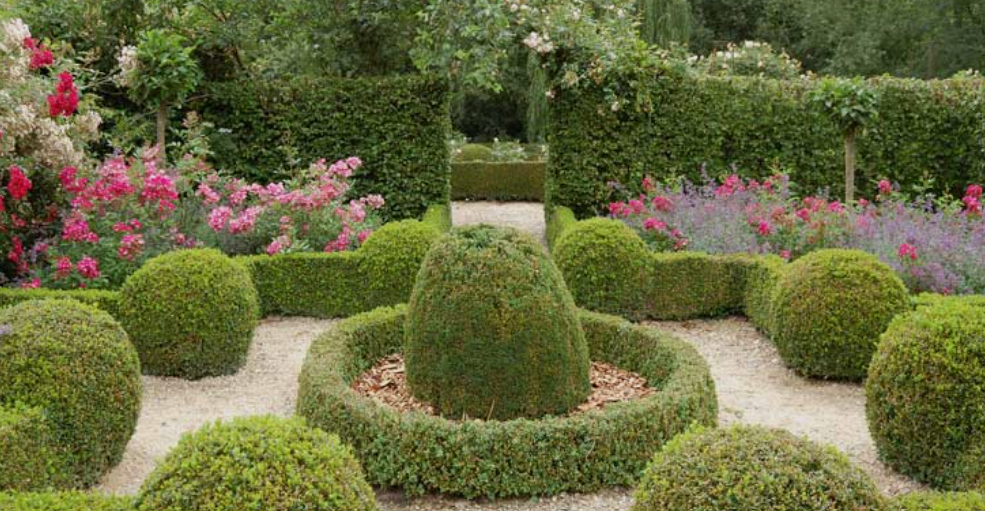
Boxwood is one of the most traditional shrubs for tree-form training, having been shaped into standards for formal gardens for centuries. These dense, small-leaved evergreens respond perfectly to pruning and shaping, maintaining precise forms when regularly trimmed.
Standard boxwood trees create classic formal garden focal points with their neat, rounded canopies and evergreen structure.
Holly (Ilex species)
Various holly species respond excellently to tree-form training, developing into attractive standard trees with evergreen foliage and ornamental berries. American holly, English holly, and Chinese holly all train well into single-trunk specimens with dense, spiny canopies.
Standard holly trees produce ornamental red or yellow berries on female plants and maintain their attractive form with annual pruning.
Camellia
Camellias respond beautifully to tree-form training in appropriate climates, developing into elegant standard trees with spectacular winter or spring blooms. These large evergreen shrubs develop attractive single trunks with dense, glossy canopies when properly trained over several years.
Standard camellia trees create stunning focal points when in bloom, with large, rose-like flowers in shades of red, pink, or white appearing during the otherwise quiet garden season.
Wisteria
Wisteria responds dramatically to tree-form training, developing into spectacular weeping standard trees with cascading flower clusters. These vigorous vines can be trained into single-trunk standards by selecting one strong stem and removing all others while gradually building a rounded canopy.
Standard wisteria trees produce spectacular hanging clusters of fragrant purple, pink, or white flowers in spring and develop attractive, gnarled trunks with age.
Rhododendron
Large rhododendron species respond well to gradual tree-form training, developing into impressive small trees with evergreen canopies and spectacular spring flowers. These broad-leaved evergreens develop attractive single trunks when lower branches are gradually removed over several years.
Standard rhododendron trees create magnificent focal points when in bloom, and the dense evergreen canopy provides year-round interest.
Azalea
Large azalea varieties respond well to tree-form training, developing into charming small trees covered in spectacular spring flowers. These popular flowering shrubs develop interesting trunk character and attractive rounded canopies when trained into standard forms.
Standard azalea trees create stunning focal points when in full bloom, with flowers covering the entire canopy in shades of pink, red, white, purple, or orange.
Oleander
Oleander responds exceptionally well to tree-form training in warm climates, developing into elegant standard trees with abundant summer flowers. These vigorous, drought-tolerant shrubs develop strong central stems that can be trained into clear trunks topped with rounded flowering canopies.
Standard oleander trees produce masses of flowers in shades of red, pink, white, or yellow throughout summer and develop attractive, clean trunk characters.
Pittosporum
Pittosporum species respond well to tree-form training in warm climates, developing into attractive small trees with dense, evergreen canopies. These versatile evergreen shrubs develop clear trunks topped with rounded canopies when properly trained and maintained.
Standard pittosporum trees produce fragrant flowers and maintain attractive evergreen foliage year-round, and their tolerance of coastal conditions makes them valuable for seaside gardens.
Mock Orange (Philadelphus)
Mock orange responds well to tree-form training, developing into attractive small trees covered in intensely fragrant white flowers in late spring and early summer. These vigorous shrubs develop strong central stems that can be trained into clear trunks topped with arching flowering branches.
Standard mock orange trees create spectacular displays when in bloom, filling gardens with their intense orange blossom fragrance.
Nandina (Heavenly Bamboo)
Nandina responds to tree-form training by developing into elegant, multi-cane standards that create Asian-inspired landscape focal points. These graceful shrubs develop bamboo-like canes that can be trained into attractive standards by removing lower foliage and maintaining a cluster of vertical stems topped with colorful foliage.
Privet (Ligustrum)
Privet responds rapidly and enthusiastically to tree-form training due to its vigorous growth and excellent pruning tolerance. These fast-growing shrubs develop clear trunks quickly and maintain precise rounded canopies with regular trimming.
Standard privet trees create classic formal garden focal points and are among the fastest shrubs to achieve mature tree-form specimens.
Abelia
Abelia responds well to tree-form training, developing into graceful small trees with arching branches and abundant tubular flowers. These adaptable shrubs develop attractive trunks when lower branches are removed and central stems trained upward.
Standard abelia trees produce small tubular flowers from summer through fall that attract butterflies and hummingbirds while maintaining attractive glossy foliage.
Butterfly Bush (Buddleia)
Butterfly bush responds well to tree-form training, developing into attractive small trees with long, fragrant flower spikes that attract butterflies throughout summer. These vigorous shrubs develop strong central stems that can be trained into clear trunks topped with arching flowering branches.
Standard butterfly bush trees create spectacular butterfly gardens when positioned as focal points, attracting numerous butterfly species to their fragrant flower spikes.
Photinia (Red Tip)
Photinia responds well to tree-form training, developing into attractive small trees with distinctive red new growth and dense evergreen canopies. These vigorous shrubs develop strong single trunks when properly trained and maintain their attractive red-tipped new growth and white spring flowers in tree form.
Standard photinia trees create colorful focal points when new growth flushes red in spring and after pruning, and the evergreen foliage provides year-round screening.
Loropetalum
Loropetalum responds beautifully to tree-form training in warm climates, developing into elegant small trees with distinctive burgundy or green foliage and stunning pink flowers. These graceful shrubs develop attractive single trunks topped with weeping, flowering canopies when properly trained.
Standard loropetalum trees create dramatic focal points with their colorful foliage and spectacular spring flower displays.