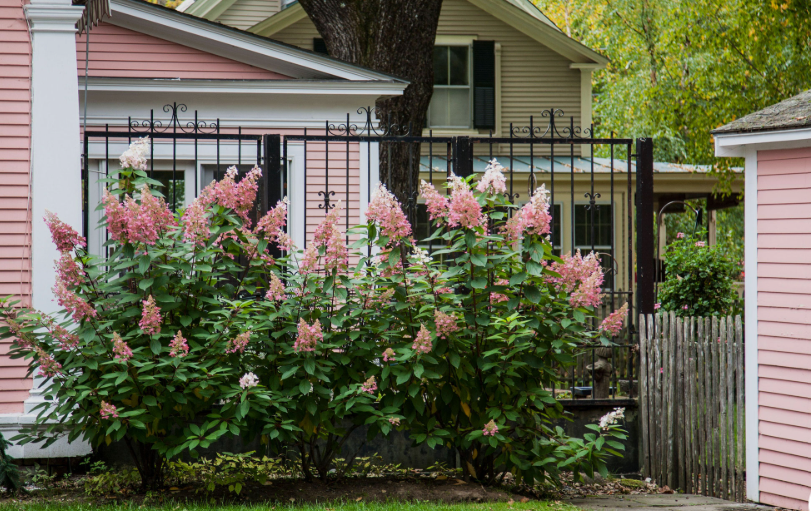
Shrubs that can be planted in February are typically cold-hardy varieties that tolerate cool soil and late winter conditions. In many regions, shrubs are still dormant during this time, which makes transplanting easier because the plants experience less stress. Planting in February allows roots to begin establishing before active spring growth starts.
Evergreen shrubs are often suitable for February planting, especially in areas where the ground is not frozen. Hardy types such as boxwood, holly, and juniper can adapt well to cool temperatures and gradually settle into the soil before warmer weather arrives. Their year-round foliage also adds immediate structure to the landscape.
Dormant deciduous shrubs are also good candidates for late winter planting. Since they have not yet started producing new leaves, they can focus energy on root development. Shrubs like spirea, viburnum, and dogwood establish well when planted early, giving them a strong start for spring growth.
Successful February planting depends largely on soil conditions. The ground should be workable and not waterlogged or frozen. Adding compost improves drainage and soil structure, while applying mulch helps insulate roots from sudden temperature changes and retains moisture. Regular watering during dry winter periods is still important.
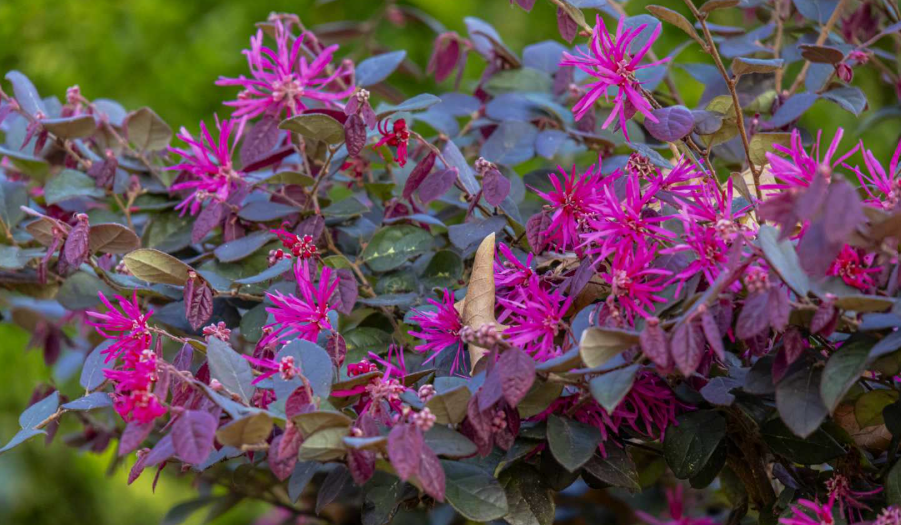
Shrubs that Can be Planted in February
Camellia (Camellia japonica)
Camellias are evergreen shrubs that thrive when planted in late winter. February planting allows roots to settle before warmer weather arrives. They prefer partial shade and acidic, well-drained soil. Camellias require little pruning except to remove dead branches. Their glossy leaves and elegant blooms make them a low-maintenance garden favorite.
Forsythia (Forsythia spp.)
Forsythia is a hardy deciduous shrub that can be planted in February while still dormant. Cool weather helps reduce transplant stress and encourages root growth. It tolerates a wide range of soils and needs minimal care once established. Pruning after flowering keeps it neat. Its bright yellow blooms signal the arrival of spring.
Hydrangea (Hydrangea spp.)
Hydrangeas adapt well to late-winter planting, allowing roots to establish before summer heat. They prefer moist, well-drained soil and partial sun. Maintenance is simple, mainly involving seasonal pruning depending on the variety. With proper placement, hydrangeas reward gardeners with large, colorful blooms year after year.
Boxwood (Buxus sempervirens)
Boxwoods are evergreen shrubs ideal for February planting in cool climates. They establish slowly but require very little attention afterward. Boxwoods tolerate pruning well, making them perfect for hedges or borders. They grow best in well-drained soil and partial to full sun. Their dense foliage provides year-round structure.
Spirea (Spiraea japonica)
Spirea shrubs are tough and adaptable, making late-winter planting easy and successful. They grow well in full sun and tolerate different soil conditions. Minimal pruning is needed to maintain shape and encourage flowering. Spireas produce clusters of small blooms and are resistant to most pests. They are excellent for low-maintenance landscapes.
Viburnum (Viburnum spp.)
Viburnums establish well when planted in February, especially before spring growth begins. They adapt to many soil types and require little maintenance once rooted. Occasional pruning helps maintain shape. Many varieties produce fragrant flowers or berries that attract birds and pollinators. They are reliable shrubs for year-round interest.
Azalea (Rhododendron spp.)
Azaleas benefit from planting in February because cooler temperatures reduce stress on new roots. They prefer partial shade and acidic soil. Maintenance mainly involves watering during dry periods and light pruning after flowering. Their vibrant spring blooms add strong seasonal color with relatively little effort.
Lilac (Syringa vulgaris)
Lilacs are cold-hardy shrubs that can be planted while still dormant in February. They thrive in full sun and well-drained soil. Once established, they require minimal watering and only occasional pruning after flowering. Lilacs are loved for their fragrant blossoms and long lifespan, making them a dependable, low-maintenance choice.
Weigela (Weigela florida)
Weigela is a hardy flowering shrub that can be planted in February while temperatures are still cool. Early planting allows roots to develop before active spring growth begins. It thrives in full sun and well-drained soil with minimal fertilization. Pruning is only needed after flowering to maintain shape. Its colorful blooms attract pollinators and add seasonal interest.
Ninebark (Physocarpus opulifolius)
Ninebark is a tough deciduous shrub well suited for late-winter planting. It tolerates cold weather, poor soil, and varying moisture conditions. Once established, it requires very little watering or care. Occasional pruning helps remove older stems and improve appearance. Its peeling bark and foliage color provide year-round visual appeal.
Barberry (Berberis spp.)
Barberry shrubs establish easily when planted in February’s cooler conditions. They tolerate drought, heat, and a wide range of soils once rooted. Maintenance is minimal, mainly limited to light shaping if desired. Their colorful foliage adds contrast to garden borders. Barberries are also resistant to many pests and diseases.
Mock Orange (Philadelphus coronarius)
Mock orange is a fragrant flowering shrub that benefits from planting before spring growth starts. February planting helps reduce transplant stress and encourages strong roots. It grows well in sun or partial shade and needs little attention once established. Pruning after blooming maintains its form. The citrus-scented flowers make it a garden favorite.
Potentilla (Potentilla fruticosa)
Potentilla is a compact, cold-hardy shrub perfect for late-winter planting. It adapts to poor soil and tolerates drought once established. Very little pruning is needed besides occasional shaping. The plant produces small cheerful flowers over a long season. Its durability makes it ideal for low-maintenance landscapes.
Daphne (Daphne odora)
Daphne shrubs can be planted in February to allow root development before warmer weather. They prefer well-drained soil and partial shade. Maintenance needs are low, as pruning is rarely required. Daphne is valued for its intensely fragrant flowers. Proper placement ensures healthy growth with minimal care.
Winterberry (Ilex verticillata)
Winterberry is a deciduous holly that establishes well when planted in late winter. It tolerates moist soils and cold conditions easily. Minimal pruning is required beyond removing damaged branches. Bright berries appear later in the year, attracting birds. This shrub adds seasonal interest with very little maintenance.
Abelia (Abelia × grandiflora)
Abelia is a semi-evergreen shrub that adapts well to February planting in mild climates. It grows in full sun to partial shade and tolerates heat once established. Pruning needs are minimal and mainly for shaping. Small fragrant flowers bloom over a long period. Its graceful form makes it ideal for borders and foundations.
Sweetspire (Itea virginica)
Sweetspire performs well when planted before spring growth begins. It tolerates both moist and average soils and grows in sun or partial shade. Maintenance is simple, requiring little pruning. Fragrant flower spikes appear in spring, followed by attractive fall foliage. This shrub is reliable and easy to grow.
Deutzia (Deutzia gracilis)
Deutzia is a compact flowering shrub that establishes easily in cool February conditions. It grows best in full sun with well-drained soil. Care requirements are low, with pruning needed only after flowering. Masses of small blooms cover the plant in spring. Its neat growth habit makes it suitable for low-maintenance gardens.
Pieris (Pieris japonica)
Pieris is an evergreen shrub that benefits from planting in February when temperatures are still cool. It prefers partial shade and acidic, well-drained soil. Maintenance is minimal, requiring only occasional pruning to maintain shape. Its cascading clusters of spring flowers and colorful new foliage provide long-lasting ornamental value. Once established, it grows steadily with little effort.
Snowberry (Symphoricarpos albus)
Snowberry is a hardy deciduous shrub that establishes well in late winter. It tolerates poor soils, drought, and partial shade, making it easy to grow in many locations. Pruning is rarely needed except to control size. Its white berries persist into winter, adding seasonal interest. This shrub is ideal for naturalized or low-maintenance landscapes.
Oregon Grape (Mahonia aquifolium)
Oregon grape is an evergreen shrub suited to February planting because cool weather helps reduce transplant stress. It grows well in shade or partial sun and adapts to different soil conditions. Minimal pruning is required beyond removing damaged stems. Its yellow flowers and blue berries provide year-round visual appeal. It is also drought-tolerant once established.
Beautyberry (Callicarpa bodinieri)
Beautyberry is a deciduous shrub that roots well when planted before spring growth begins. It thrives in full sun to partial shade and requires little maintenance. Annual pruning in late winter encourages fuller growth and more berries. The bright purple berries create striking fall color. This shrub is easy to care for and attracts wildlife.
Cotoneaster (Cotoneaster spp.)
Cotoneaster shrubs are adaptable and establish easily when planted in February. They tolerate poor soil, drought, and full sun conditions. Maintenance is minimal, mostly limited to light shaping if needed. Small flowers are followed by colorful berries that attract birds. They work well as ground cover, hedges, or slope stabilizers.
Kerria (Kerria japonica)
Kerria is a hardy shrub that benefits from late-winter planting before new growth starts. It grows well in sun or partial shade and adapts to many soil types. Care is simple, requiring only occasional pruning after flowering. Bright yellow blooms appear in spring, adding cheerful color. Its resilience makes it a reliable low-maintenance garden shrub.