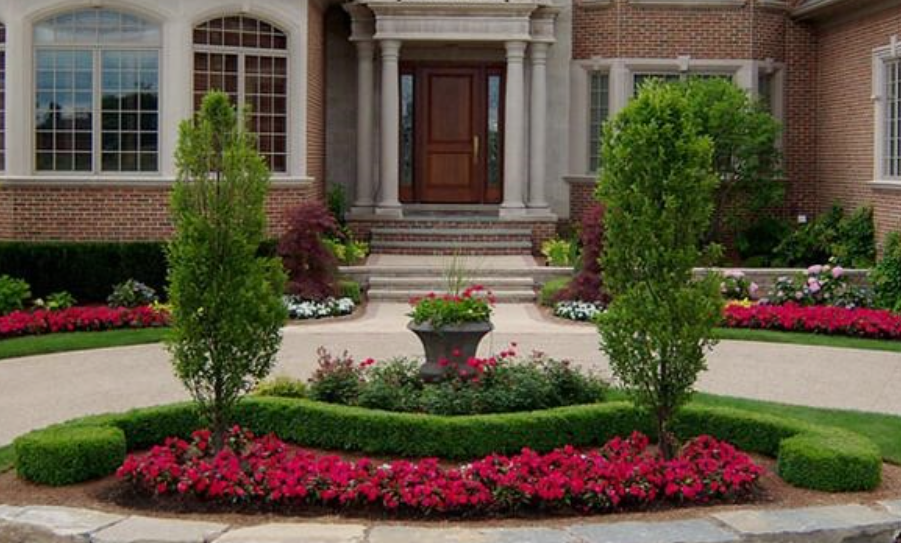
Shrubs that are safe to grow near buildings are plants with non-invasive root systems and controlled growth habits. These shrubs do not damage foundations, walls, or underground pipes because their roots typically spread shallowly rather than aggressively searching for water. Choosing the right shrubs helps protect structures while still adding greenery and beauty close to homes.
Compact or slow-growing shrubs are often the safest options for planting near buildings. They maintain manageable sizes and do not press against walls or block windows as they mature. Plants with predictable growth patterns reduce the need for constant pruning and lower the risk of structural interference over time.
Shrubs suitable for foundation planting also tolerate reflected heat and slightly drier soil conditions often found near buildings. Walls and pavements can increase temperatures and limit rainfall reaching the soil, so hardy shrubs that adapt to these conditions tend to perform best. Proper spacing from walls allows air circulation and prevents moisture buildup.
Another important factor is root behavior. Safe shrubs typically have fibrous roots rather than large, woody roots that can crack pavements or foundations. These root systems help stabilize soil without causing structural problems, making them ideal for landscaping around houses, garages, and fences.
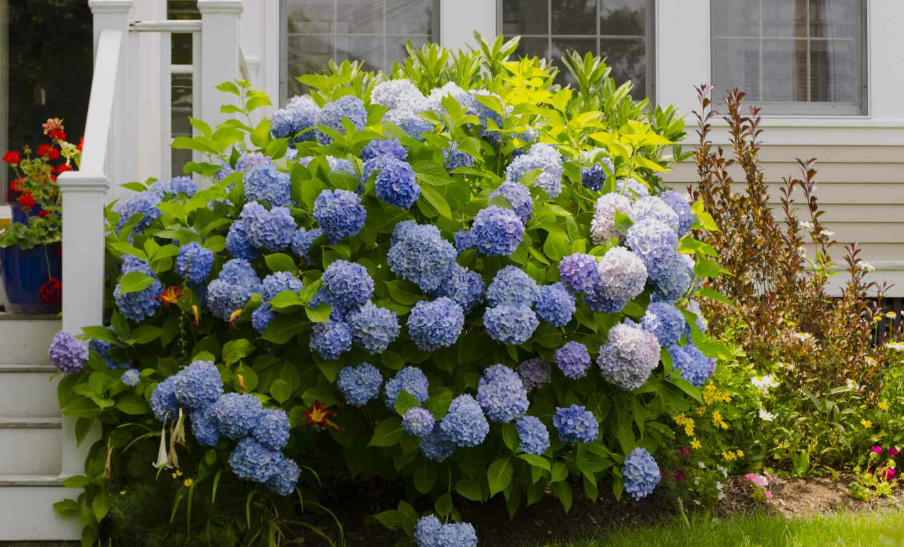
Shrubs That Are Safe to Grow Near Buildings
Dwarf Burning Bush
Dwarf burning bush is a compact, well-behaved shrub that grows 4-5 feet tall with fibrous, non-invasive roots that pose no threat to foundations. These rounded shrubs maintain their shape without aggressive spreading and provide spectacular scarlet fall color that makes them popular landscape plants.
The compact root system stays proportional to the plant’s small size, and while the species can be invasive in natural areas, dwarf varieties are much more controlled in cultivated landscapes. Dwarf burning bush can be safely planted 3-4 feet from foundations without structural concerns.
Knockout Roses
Knockout roses have compact, fibrous root systems that don’t spread aggressively or damage foundations, sidewalks, or underground utilities. These disease-resistant shrubs reach 4-6 feet tall and bloom continuously from spring through fall without requiring extensive space for root development.
The non-invasive root system combined with prolific blooming and disease resistance makes knockout roses ideal for planting near buildings and along foundations. These shrubs can be safely planted 2-3 feet from foundations, adding color and beauty without structural concerns.
Boxwood
Boxwood develops shallow, fibrous roots that remain proportional to the plant’s size and don’t threaten foundations or underground utilities. These dense, evergreen shrubs range from dwarf varieties at 1-2 feet to larger types reaching 8-10 feet but maintain contained root systems throughout their lives.
Boxwood has been used for centuries as foundation plantings precisely because of its non-invasive nature and controllable size. Proper variety selection ensures the shrub doesn’t outgrow its space, and the compact roots make boxwood completely safe for planting directly against building foundations.
Dwarf Yaupon Holly
Dwarf yaupon holly produces compact, fibrous roots that don’t damage foundations or spread aggressively, making it perfectly safe for planting near buildings. These small evergreen shrubs reach only 2-4 feet tall with contained growth habits that rarely require pruning. Dwarf yaupon tolerates drought, poor soils, and urban conditions while maintaining its tidy appearance near foundations.
The non-invasive roots, evergreen foliage, small red berries, and extreme drought tolerance once established make dwarf yaupon holly one of the safest and most reliable foundation shrubs for warm climates.
Heavenly Bamboo (Nandina)
Nandina develops shallow, clumping roots that don’t spread invasively or damage nearby structures, making it safe for foundation plantings. These graceful shrubs reach 3-8 feet tall depending on variety with colorful foliage that changes throughout the seasons. Dwarf nandina varieties stay particularly compact and their root systems remain contained and non-destructive.
The year-round foliage color, white summer flowers, red winter berries, and safe root system make nandina popular for foundation plantings, though gardeners should choose non-fruiting varieties in regions where it can be invasive.
Spirea
Spirea shrubs develop fibrous, non-invasive root systems that don’t threaten foundations or spread aggressively beyond the plant’s canopy. These deciduous shrubs range from compact 2-foot mounds to larger 6-foot specimens and produce abundant spring or summer flowers.
Bridal wreath spirea, Goldflame spirea, and Anthony Waterer are excellent choices for foundation plantings with their manageable size and non-invasive roots. The abundant blooms, attractive foliage, and safe root systems make spirea one of the most popular and reliable shrubs for planting near buildings.
Dwarf Mugo Pine
Dwarf mugo pine develops a compact, fibrous root system that stays proportional to its small size and doesn’t threaten nearby structures. These slow-growing evergreen shrubs typically reach 3-5 feet tall and wide over many years, maintaining dense, dark green foliage year-round.
Dwarf mugo pine requires virtually no maintenance, tolerates various soil types, and provides year-round structure near buildings. The extremely slow growth, compact root system, and low maintenance requirements make dwarf mugo pine one of the safest and most durable evergreen foundation shrubs.
Loropetalum (Chinese Fringe Flower)
Loropetalum develops moderate, non-invasive roots that don’t damage foundations or spread aggressively near buildings. These attractive evergreen shrubs reach 3-6 feet tall with burgundy or green foliage and stunning pink or white fringe-like flowers in spring. Loropetalum’s compact root system remains contained, and the shrub can be safely planted 2-3 feet from building foundations.
The colorful foliage, spring flowers, drought tolerance once established, and non-invasive nature make loropetalum an increasingly popular choice for foundation plantings in warm climates.
Japanese Holly
Japanese holly develops shallow, fibrous roots that remain compact and non-invasive, making it completely safe for foundation plantings and planting near buildings. These dense, evergreen shrubs closely resemble boxwood with small, glossy leaves and can be maintained at various heights through shearing.
Japanese holly tolerates shade, urban conditions, and various soil types while maintaining contained root systems. The excellent boxwood alternative characteristics, evergreen screening, and completely safe root system make Japanese holly valuable for formal foundation plantings near buildings.
Forsythia (Dwarf Varieties)
Dwarf forsythia varieties develop compact, fibrous root systems that don’t threaten foundations when planted with appropriate spacing. These deciduous shrubs reach 2-4 feet tall and produce the spectacular yellow spring flowers forsythia is famous for in a more manageable size.
Dwarf varieties like Gold Tide and Show Off Starlet maintain contained growth habits with non-invasive roots suitable for planting near buildings. The spectacular spring display, compact size, and non-aggressive roots make dwarf forsythia varieties safe and attractive choices for near-building plantings.
Azalea
Azaleas develop shallow, fibrous root systems that don’t damage foundations or spread aggressively, making them safe for foundation plantings near buildings. These popular flowering shrubs range from compact 2-foot varieties to larger 6-foot specimens depending on cultivar selection.
Azaleas require acidic, well-drained soil and partial shade, and their contained root systems pose no structural risk to nearby buildings. The spectacular spring blooms in a wide range of colors, evergreen or deciduous foliage, and non-invasive roots make azaleas classic foundation shrubs throughout appropriate climate zones.
Hydrangea (Smooth and Panicle)
Smooth hydrangeas like Annabelle and panicle hydrangeas like Limelight develop fibrous, non-invasive root systems that don’t threaten building foundations. These deciduous shrubs reach 3-8 feet tall and produce massive flower clusters throughout summer that are excellent for cutting.
Hydrangeas require regular watering but their compact root systems remain well-behaved near buildings. The spectacular blooms, adaptability to partial shade, and non-invasive roots make hydrangeas popular foundation shrubs that add dramatic summer flower interest to building perimeters.
Itea (Virginia Sweetspire)
Virginia sweetspire develops a moderate, non-invasive root system that doesn’t damage buildings or spread aggressively beyond the plant’s canopy. These native shrubs reach 3-5 feet tall with fragrant white flower spikes in summer and brilliant fall color.
Itea tolerates wet soils, shade, and various conditions while maintaining contained, non-destructive roots near foundations. The adaptability, fragrant flowers, exceptional fall color, and safe root system make Virginia sweetspire an excellent native shrub for planting near buildings in various challenging site conditions.
Pieris (Andromeda)
Pieris develops shallow, fibrous roots that remain compact and non-invasive throughout the plant’s life, making it completely safe near buildings. These broad-leaved evergreens reach 4-8 feet tall with colorful new growth, cascading flower clusters in spring, and attractive foliage year-round.
Pieris requires acidic, well-drained soil and partial shade, thriving in foundation beds on the north or east side of buildings. The year-round ornamental interest, safe root system, and shade tolerance make pieris excellent for shaded foundation plantings near buildings.
Camellia
Camellias develop moderate, non-invasive root systems that don’t damage foundations or spread aggressively, making them safe for planting near buildings with appropriate spacing. These large evergreen shrubs reach 6-15 feet tall and produce spectacular blooms in fall, winter, or spring.
Camellias require acidic soil, partial shade, and protection from harsh winds, making sheltered building foundations ideal planting sites. The evergreen screening, spectacular blooms during otherwise quiet garden seasons, and non-invasive roots make camellias excellent foundation shrubs for mild climate landscapes.
Potentilla (Bush Cinquefoil)
Potentilla develops compact, fibrous roots that stay proportional to the plant’s small size and pose no risk to nearby foundations or structures. These tough little shrubs reach 2-4 feet tall and produce abundant yellow, white, or pink flowers throughout summer into fall.
Potentilla tolerates poor soils, drought, cold, and various conditions while maintaining contained, non-destructive root systems. The extended bloom season, extreme cold hardiness, compact size, and non-invasive roots make potentilla one of the safest and most reliable shrubs for foundation plantings in northern climates.
Ninebark (Dwarf Varieties)
Dwarf ninebark varieties develop compact, fibrous root systems that don’t damage foundations or spread invasively near buildings. These native shrubs reach 3-5 feet tall with attractive foliage in burgundy, gold, or green colors and white or pink spring flowers.
Ninebark tolerates various soils, drought, and urban conditions while maintaining non-invasive root systems. The colorful foliage, native adaptation, tolerance of difficult conditions, and safe roots make dwarf ninebark varieties excellent choices for foundation plantings where bold foliage color is desired.
Abelia
Abelia develops moderate, non-invasive roots that don’t threaten foundations or spread aggressively, making it safe for planting near buildings. These graceful shrubs reach 3-6 feet tall with arching branches, attractive glossy foliage, and small tubular flowers from summer through fall.
Abelia tolerates heat, drought once established, and various conditions while its root system remains well-contained. The long bloom season attracting butterflies and hummingbirds, attractive foliage, and non-invasive roots make abelia a valuable four-season shrub for foundation plantings in warm climates.
Dwarf Crape Myrtle
Dwarf crape myrtle varieties develop compact, fibrous root systems proportional to their small size, making them completely safe for planting near buildings. These deciduous shrubs reach 3-6 feet tall and produce abundant flower clusters in shades of red, pink, purple, or white throughout summer.
Dwarf varieties like Razzle Dazzle, Infinitini, and Pocomoke maintain compact root systems without the structural concerns of larger crape myrtle trees. The spectacular summer blooms, attractive exfoliating bark, fall color, and non-invasive roots make dwarf crape myrtles excellent foundation shrubs for warm climates.
Japanese Pieris
Japanese pieris, closely related to American pieris, develops shallow, compact roots that don’t invade foundations or damage nearby structures. These elegant evergreens reach 4-10 feet tall with attractive drooping flower clusters, colorful new growth, and glossy foliage. Japanese pieris requires acidic, well-drained soil and grows best on the shaded north or east sides of buildings.
The year-round ornamental interest including colorful new growth, fragrant spring flowers, and safe root system make Japanese pieris an outstanding foundation shrub for appropriate shaded sites.
Leucothoe
Leucothoe develops a compact, spreading root system that remains non-invasive and doesn’t damage foundations or underground utilities. These graceful, arching shrubs reach 3-5 feet tall with attractive foliage that changes color seasonally and white spring flower clusters.
Leucothoe tolerates wet soils, shade, and various conditions, making it valuable for challenging foundation beds. The arching form, seasonal foliage interest, adaptability to shaded and wet conditions near buildings, and non-invasive roots make leucothoe an excellent choice for difficult foundation plantings.
Viburnum (Compact Varieties)
Compact viburnum varieties like Viburnum davidii, Viburnum opulus ‘Compactum’, and similar shrubs develop non-invasive root systems appropriate for planting near buildings. These manageable shrubs reach 3-6 feet tall and provide fragrant flowers, attractive berries, and good fall color.
Compact viburnums maintain contained root systems that don’t threaten foundations while providing multi-season ornamental interest and wildlife benefits. The combination of fragrance, flowers, berries, fall color, and non-invasive roots makes compact viburnums excellent multi-season shrubs for near-building plantings.
Gardenia
Gardenias develop shallow, fibrous roots that remain compact and non-invasive, making them safe for planting near buildings in warm climates. These evergreen shrubs reach 2-6 feet tall depending on variety and produce intensely fragrant white flowers that perfume entire gardens during bloom time.
Gardenias require acidic soil, partial shade, and consistent moisture, thriving in protected foundation beds near buildings that provide warmth and shelter. The intense fragrance, glossy evergreen foliage, and non-invasive roots make gardenias outstanding foundation shrubs for appropriate warm climate sites.
Dwarf Alberta Spruce
Dwarf Alberta spruce is an extremely slow-growing evergreen developing compact, non-invasive roots that pose absolutely no risk to nearby structures. These perfect, cone-shaped conifers grow only 2-4 inches per year, eventually reaching 10-12 feet over many decades.
The extremely compact root system remains proportional to the slow-growing, dense form, making dwarf Alberta spruce completely safe for foundation plantings. The perfect cone shape, dense evergreen texture, year-round structure, and completely harmless root system make this slow-growing conifer one of the safest and most architecturally interesting shrubs for planting near buildings.