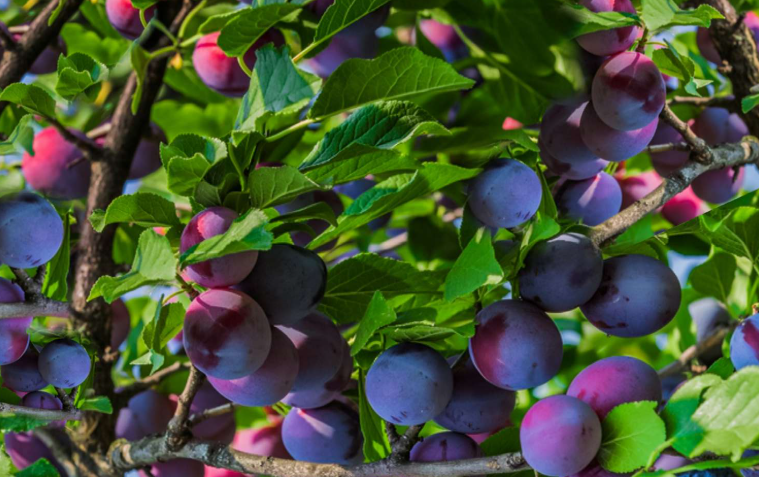
Self-pollinating plums, also called self-fertile or self-fruitful plums, possess both male and female reproductive parts that function effectively within the same flower, allowing successful pollination without requiring pollen from another variety. This characteristic makes them invaluable for small gardens where space limitations prevent planting multiple trees for cross-pollination.
While self-pollinating plums produce fruit when planted alone, yields often improve significantly when cross-pollination occurs with another compatible plum variety, and many gardeners plant self-fertile varieties specifically to serve as pollinators for self-sterile types while also producing their own crops.
While self-pollinating plum varieties produce fruit when planted alone, several factors influence their success and productivity. Most self-fertile plums produce heavier crops when another compatible variety is planted nearby for cross-pollination, though this isn’t required for fruiting. Weather conditions during bloom significantly affect fruit set, with frost, excessive rain, or lack of pollinating insects reducing yields even on self-fertile varieties.
Japanese plums generally require fewer chill hours (200-500 hours) making them suitable for warmer climates, while European plums typically require 700-900 chill hours and perform best in colder regions. Proper site selection with full sun, well-drained soil, and good air circulation maximizes production, and annual pruning maintains tree health and encourages consistent fruiting. Self-pollinating plums begin bearing fruit within 3-5 years depending on variety and rootstock, with dwarf varieties on dwarfing rootstocks producing sooner but remaining smaller at 8-12 feet compared to standard trees reaching 15-20 feet.
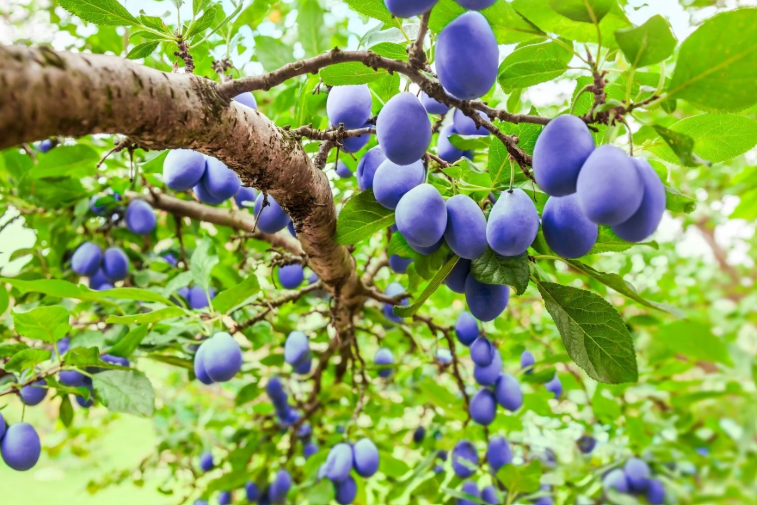
Best self-pollinating Plum Varieties
Santa Rosa
Santa Rosa is among the most popular self-pollinating plums, producing large red-purple fruits with amber flesh and excellent sweet-tart flavor. This Japanese plum variety ripens in early to mid-summer, typically July in most regions, and produces abundantly without requiring another tree.
Santa Rosa demonstrates vigorous growth reaching 15-20 feet tall, begins bearing fruit within 3-4 years, and serves double duty as both productive tree and excellent pollinator for other Japanese plum varieties. The fruits are excellent for fresh eating, canning, and preserves, and the tree shows good adaptability to various climates requiring 300-400 chill hours.
Methley
Methley is an exceptionally reliable self-pollinating plum producing sweet, juicy fruits with reddish-purple skin and red flesh. This Japanese plum ripens very early, often in late spring to early summer, and produces heavy crops without requiring cross-pollination.
Methley requires only 250 chill hours making it suitable for warmer climates where many plums fail, grows to 15-20 feet tall, and begins producing within 2-3 years. The sweet flavor and low acid content make Methley excellent for fresh eating, and it serves as an outstanding pollinator for other low-chill Japanese plum varieties.
Italian Prune (Fellenberg)
Italian Prune plum is a European variety that reliably self-pollinates, producing elongated blue-purple freestone fruits perfect for fresh eating and drying. This late-season plum ripens in September, features sweet yellow flesh that dries excellently into prunes, and produces consistent crops without requiring another tree.
Italian Prune reaches 15-20 feet tall, requires 800-900 chill hours making it suitable for colder climates, and demonstrates excellent cold hardiness. The freestone fruits are ideal for drying, canning, preserves, and fresh eating, and the tree serves as a reliable pollinator for other European plum varieties.
Stanley
Stanley is a classic self-fertile European plum producing large, dark blue fruits with sweet yellow flesh excellent for fresh eating and preserving. This late-season variety ripens in September, produces abundantly without cross-pollination, and has been a standard home garden plum for decades.
Stanley reaches 15-20 feet tall, requires 800-900 chill hours, and demonstrates excellent cold hardiness for northern climates. The freestone fruits are outstanding for fresh eating, canning, freezing, and preserving, and the tree’s reliable production and disease resistance make it excellent for home orchards.
Damson
Damson plums are small, tart European plums that self-pollinate reliably, producing abundant crops of blue-black fruits perfect for preserves. These traditional plums ripen in late summer to early fall, feature intensely tart flavor that sweetens beautifully when cooked with sugar, and produce without requiring pollinators.
Damson trees reach 15-20 feet tall, require 700-800 chill hours, and demonstrate exceptional cold hardiness and disease resistance. The small tart fruits are traditionally used for jams, jellies, preserves, and damson gin, and the trees are among the most reliable and low-maintenance plums for cold climates.
Green Gage
Green Gage is a classic European plum variety that self-pollinates, producing small green-yellow fruits with exceptional sweet, rich flavor. This mid-season plum ripens in August, features amber flesh with unsurpassed dessert quality, and has been prized for centuries for its flavor.
Green Gage reaches 15-20 feet tall, requires 700-800 chill hours, and produces moderately without requiring another tree though yields improve with cross-pollination. The fruits are considered among the finest-flavored plums for fresh eating and the variety has spawned numerous descendants valued for similar quality.
Valor
Valor is a Canadian-bred self-pollinating plum producing large, dark blue fruits with excellent cold hardiness. This late-season variety ripens in September, features sweet yellow flesh, and produces reliably in cold climates without requiring pollinators.
Valor demonstrates exceptional cold hardiness tolerating temperatures to -30°F or lower, reaches 15-20 feet tall, and begins bearing within 3-4 years. The large fruits are excellent for fresh eating and preserving, and the tree’s superior cold tolerance makes it valuable for northern regions where many plums fail.
Opal
Opal is a self-fertile Swedish plum producing medium-sized purple fruits with sweet yellow flesh and excellent flavor. This early to mid-season variety ripens in August, produces consistently without requiring cross-pollination, and demonstrates good cold hardiness.
Opal reaches 12-15 feet tall making it more compact than many plums, requires 700-800 chill hours, and begins bearing fruit within 3-4 years. The sweet fruits are excellent for fresh eating and preserving, and the tree’s compact size makes it suitable for smaller gardens.
AU-Rubrum
AU-Rubrum is a Japanese plum variety bred for self-fertility, producing large red fruits with excellent disease resistance. This mid-season plum ripens in July, features sweet yellow flesh, and produces abundantly without requiring another tree.
AU-Rubrum demonstrates superior resistance to bacterial leaf spot and other diseases common in humid climates, reaches 15-20 feet tall, and requires 500-600 chill hours. The large attractive fruits are excellent for fresh eating and the tree’s disease resistance makes it particularly valuable for southeastern climates.
Mount Royal
Mount Royal is a cold-hardy European plum that self-pollinates, producing small to medium blue fruits with sweet flavor. This mid-season variety ripens in late August to early September, produces reliably in cold climates, and demonstrates exceptional hardiness to -40°F.
Mount Royal reaches 12-15 feet tall with compact growth, requires 800-900 chill hours, and begins bearing within 3-4 years. The sweet fruits are excellent for fresh eating and preserving, and the tree’s exceptional cold tolerance makes it one of the hardiest plums available.
Improved French Prune
Improved French Prune is a self-fertile variety producing large purple fruits that dry excellently into prunes. This late-season plum ripens in September, features sweet flesh with high sugar content ideal for drying, and produces without requiring pollinators.
Improved French Prune reaches 15-20 feet tall, requires 700-800 chill hours, and produces larger fruits than traditional French prune varieties. The fruits are outstanding for drying, fresh eating, and preserves, and the tree produces consistently in appropriate climates.
Early Laxton
Early Laxton is a self-pollinating European plum producing medium-sized yellow fruits with sweet flavor very early in the season. This early variety ripens in late July to early August, produces without requiring cross-pollination, and provides fresh plums when few others are ready.
Early Laxton reaches 15-20 feet tall, requires 700-800 chill hours, and demonstrates good productivity when planted alone. The sweet yellow fruits are excellent for fresh eating and the early ripening extends the plum harvest season.