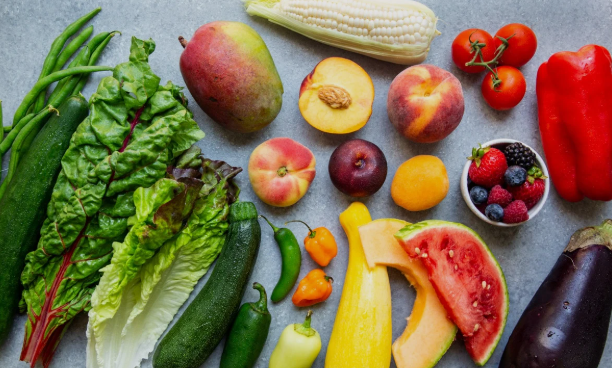
July is typically one of the most abundant months in the growing calendar, especially in regions experiencing full summer. Warm temperatures and long daylight hours create ideal conditions for ripening, resulting in a wide and vibrant selection in markets.
During this time, most of what is available is freshly harvested and rarely requires long storage. This leads to peak flavor and quality, with produce often reaching consumers at its sweetest, juiciest, and most aromatic stage.
Local agriculture thrives in July, with farms operating at full capacity. The short time between harvest and consumption helps preserve freshness, making seasonal eating especially rewarding during this period.
The general characteristics of what’s in season include softness, high water content, and bold, refreshing taste. These qualities make them particularly enjoyable in hot weather, often associated with cooling and hydrating experiences.
Although local supply is strong, global trade still plays a supporting role. Different climates around the world contribute additional variety, ensuring markets remain diverse even during peak local production.
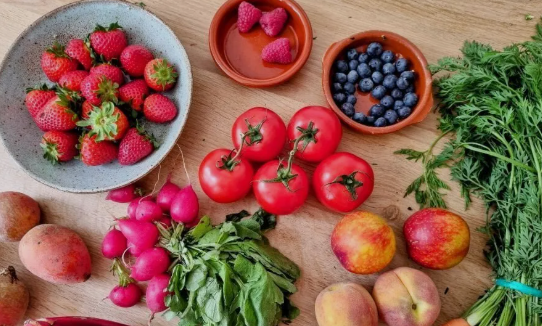
Fruits In Season June
Watermelon
In July, watermelon is widely available with dense, crisp flesh and high moisture. It’s cut into structured salads with herbs, compressed for concentrated flavor, or blended into chilled soups and drinks where dilution is part of the texture.
Peach
Peaches are at full maturity in July, with soft flesh and a balance of sugar and acidity. They’re grilled to intensify flavor, poached in light syrups, or sliced into savory dishes where their sweetness offsets salt and fat.
Nectarine
Nectarines peak alongside peaches but with firmer texture and less fuzz. They hold shape when roasted or sautéed, making them useful in warm salads or grain dishes. Raw slices add structure and acidity to composed plates.
Plum
Plums in July range from firm and tart to soft and sweet. They’re cooked into reductions, baked into pastries, or roasted to accompany meats. Their skins contribute tannic notes that deepen sauces.
Apricot
Late apricots continue into July with concentrated flavor. They’re dried, stewed, or roasted, often paired with spices. In savory contexts, they’re used in pilafs or braises where their acidity cuts through richness.
Blueberry
Blueberries are in peak supply, with tight skins and concentrated juice. They’re baked into pastries, simmered into compotes, or used in sauces where their color and mild acidity enrich the dish without dominating it.
Blackberry
Blackberries are fully in season, offering deeper, slightly earthy sweetness. They’re crushed into sauces, cooked into preserves, or incorporated fresh into salads where their structure adds contrast.
Raspberry
Raspberries are abundant but fragile. Their sharp acidity works well in coulis, layered desserts, or as a counterpoint to dense ingredients like cream or chocolate. They’re rarely cooked for long to preserve structure.
Fig
Fresh figs begin their main harvest in July. Their soft interior and subtle sweetness suit fresh applications with cheese or cured meat, but they’re also roasted or reduced into spreads for more concentrated flavor.
Melon (Cantaloupe/Honeydew)
Melons are at peak ripeness, with aromatic flesh and high sugar content. They’re sliced into salads, paired with salty elements, or blended into chilled beverages. Their texture allows for both clean cuts and purees without added liquid.
Mango
In some regions, late-season mangoes continue into July with softer flesh and intensified sweetness. They’re reduced into sauces, blended into drinks, or incorporated into chilled desserts where their texture can be fully utilized.
Pineapple
Pineapple remains in strong supply, with firm flesh and pronounced acidity. It’s charred over heat, diced into relishes, or used in marinades where its enzymes alter texture in proteins. It also works well in rice and grain-based dishes.
Guava
Guava appears in certain regions during July, with aromatic, slightly gritty flesh. It’s processed into juices, pastes, or sauces, and can be reduced into glazes that complement roasted or grilled foods.
Lychee
Late lychee harvests extend into July. The fruit’s translucent flesh is used fresh, or incorporated into chilled desserts and beverages. Its mild floral profile pairs with citrus and herbs for layered flavor.
Passion Fruit
Passion fruit continues through July, offering pulp with strong acidity and aroma. It’s strained into dressings, sauces, or syrups, and used to balance sweetness in desserts or richness in savory dishes.
Dragon Fruit
Dragon fruit is widely available in July in tropical climates. Its crisp texture and mild flavor make it suitable for fresh fruit mixes, salsas, or as a visual element in plated dishes. It’s also blended into drinks.
Starfruit (Carambola)
Starfruit is in season, with a crisp bite and mild tartness. It’s sliced into salads, used as garnish, or lightly cooked into chutneys. Its shape also contributes to presentation in composed dishes.
Jackfruit
Jackfruit harvest continues into July. Ripe fruit is sweet and aromatic, used in desserts or eaten fresh. Unripe jackfruit is cooked in savory preparations, where its fibrous structure absorbs spices and sauces.
Tamarind
Tamarind pulp is available year-round but commonly used during this period. It’s dissolved into sauces, soups, and drinks, providing a concentrated sourness that balances heavy or spiced dishes.
Coconut
Coconut remains abundant, with flesh, milk, and water all used. It forms the base of sauces and curries, is grated into desserts, and adds texture to both sweet and savory preparations.
Mulberry
Mulberries continue their short season into July in some areas. Their soft texture and deep color make them suitable for syrups, compotes, or fresh use in desserts and salads where a more delicate berry is desired.