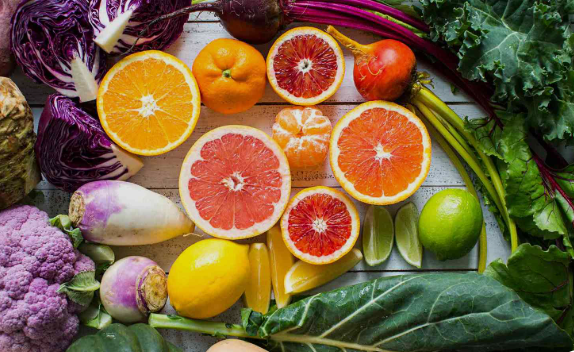
January is firmly rooted in the winter season for many parts of the world, which strongly influences what is available. During this time, the selection often consists of items that can withstand colder temperatures or have been harvested earlier and preserved for later use.
A key feature of this season is reliance on storage-friendly produce. These are typically harvested before the harshest weather sets in and kept in controlled conditions, allowing them to remain available even when fresh harvesting is limited. Their flavors often become more concentrated over time.
In regions with milder winters, there is still some level of fresh harvesting taking place. These areas contribute items that are naturally suited to cooler climates, offering a balance between freshly picked options and those that have been stored.
Tropical and subtropical regions continue to produce steadily throughout January. Because they do not experience extreme seasonal shifts, they provide a consistent supply that adds variety and freshness to global markets during a time when colder regions have fewer options.
Transportation and trade also play a major role in shaping availability. Many markets stock items imported from warmer parts of the world, ensuring that people can still enjoy a diverse range despite local seasonal limitations.
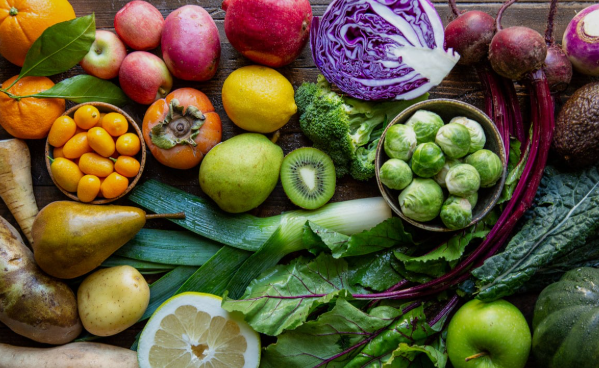
Fruits In Season In January
Orange
January is peak citrus season, and oranges show strong sweetness with balanced acidity. Their juice is reduced into sauces or used in marinades, while zest adds depth to baked goods and savory dishes. Segments are often combined with greens or grains for contrast.
Grapefruit
Grapefruit is abundant in January, offering a sharper, slightly bitter profile. It’s segmented into salads or paired with seafood. Light caramelization or broiling tempers its bitterness, making it suitable for composed dishes.
Lemon
Lemons are widely harvested during this period. Their juice is used to adjust acidity in sauces, preserve ingredients, and cut through rich foods. The zest is incorporated into desserts, spice rubs, and dressings for a concentrated citrus note.
Tangerine
Tangerines are at their peak, with loose skin and sweet, easy-to-separate segments. They’re used fresh in salads, desserts, or as a counterpoint to savory ingredients. Their juice works well in light glazes and vinaigrettes.
Apple
Apples remain in excellent condition due to storage from autumn harvests. Their firm texture allows them to be baked, stewed, or sliced raw into salads. They’re also cooked with meats, where their mild sweetness offsets savory flavors.
Pear
Pears are still available in January, often soft and aromatic. They poach well in spiced liquids or are sliced into salads. Their subtle sweetness pairs effectively with nuts, cheeses, and grains.
Pomegranate
Pomegranates are prominent in January. The arils provide both texture and bursts of acidity. They’re used as a finishing element on salads, roasted vegetables, or grain dishes, while the juice is reduced into syrups.
Pineapple
Pineapple continues to be harvested in tropical climates. Its acidity makes it useful in marinades, especially for tenderizing proteins. It’s also grilled or roasted, where heat intensifies its sugars.
Banana
Bananas are widely available and versatile. Ripe bananas are used in baking and desserts, while firmer ones are cooked—fried, boiled, or mashed—in savory dishes across many cuisines.
Guava
Guava is in season in many tropical regions during January. Its aromatic flesh is processed into juices, jams, or pastes. It’s also reduced into sauces that pair well with meats, particularly when combined with spices.
Kiwi
Kiwis are in strong supply during January. Their bright acidity and soft texture make them suitable for fruit salads or as a topping for yogurt and desserts. They can also be blended into sauces or used in marinades due to their natural enzymes.
Blood Orange
Blood oranges reach peak quality in January, with deep red flesh and a slightly more complex flavor than standard oranges. They’re used in salads, desserts, and sauces where both color and acidity are important. Their juice is also incorporated into reductions and beverages.
Clementine
Clementines are widely available in January and easy to segment. Their sweetness makes them suitable for fresh use in salads or desserts. The juice can also be used in light dressings or glazes.
Pomelo
Pomelo continues its season through January. Its large, mildly sweet segments are less acidic than grapefruit. It’s commonly used in salads or eaten fresh, sometimes paired with salt, chili, or herbs.
Passion Fruit
Passion fruit is harvested in cycles that include January in tropical regions. Its pulp is intensely aromatic and acidic, making it suitable for sauces, syrups, and beverages. The seeds contribute a subtle crunch when included.
Coconut
Coconut is consistently available in tropical climates. The flesh is grated into dishes or desserts, while coconut milk is used as a base for soups and sauces. Coconut water is consumed fresh or incorporated into drinks.
Custard Apple
Custard apple is available in some regions during January. Its soft, creamy pulp is eaten fresh or used in chilled desserts. It is rarely subjected to heat due to its delicate consistency.
Starfruit (Carambola)
Starfruit is in season in many tropical areas. Its crisp texture and mild tartness make it suitable for salads or as a garnish. It can also be cooked into chutneys or lightly sautéed for savory applications.
Sapodilla
Sapodilla appears during January in tropical markets. Its grainy, sweet flesh is eaten fresh or blended into beverages and desserts. Its flavor profile works well in milk-based preparations.
Mandarin
Mandarins are abundant in January, offering a balance between sweetness and acidity. They’re used fresh, added to salads, or incorporated into desserts. Their juice is also suitable for sauces and light marinades.