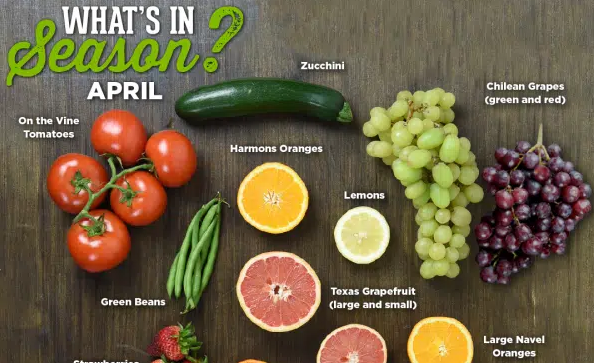
April is a lively month in the agricultural calendar, especially in regions experiencing spring. As temperatures rise and daylight hours increase, more crops begin to ripen naturally, leading to a noticeable shift toward fresher and more vibrant options in markets.
During this time, the transition from winter to spring becomes clear. The heavier, storage-based supply starts to fade, making room for produce that is newly harvested. These tend to have brighter flavors, higher water content, and a more delicate texture compared to what dominated earlier months.
In many places, local farms begin to play a bigger role again. With improving weather conditions, harvesting becomes more active, and shorter supply chains mean that items often reach consumers at peak freshness and quality.
At the same time, regions with warmer climates continue to contribute significantly. Their steady production complements the emerging spring harvests elsewhere, ensuring that availability remains diverse and consistent across different markets.
Seasonality in April also reflects a sense of renewal. The produce available often symbolizes growth and abundance, aligning with the broader environmental changes happening during this period.
The Best Fruits to Enjoy in April
Mango
April is peak mango season in many tropical regions. The flesh becomes deeply sweet with a dense, almost velvety texture. It’s blended into drinks, folded into chilled desserts, or sliced into salads where acidity from lime or chili sharpens its profile.
Pineapple
Pineapples harvested in April are notably juicy with pronounced acidity. They’re used in marinades where their enzymes break down proteins, or roasted and grilled to concentrate their sugars. Fresh pineapple also works in salsas paired with herbs and heat.
Watermelon
Watermelon begins to appear more consistently in April in warm climates. Its high water content makes it suitable for juices and chilled preparations. Cubes are often paired with salty or acidic elements, creating contrast without heavy seasoning.
Papaya
Papaya remains abundant in April. Ripe papaya is soft and mild, often served fresh with citrus juice. Green papaya is shredded into salads or cooked in savory dishes, where it absorbs strong flavors without losing structure.
Banana
Bananas are widely harvested year-round, with steady supply in April. Ripe bananas are used in baking or desserts, while firmer varieties are cooked—fried, boiled, or mashed—in savory dishes across different cuisines.
Passion Fruit
Passion fruit is in season in many tropical areas during April. Its pulp is sharply aromatic and acidic, making it suitable for sauces, syrups, and beverages. The seeds add texture when included in desserts or dressings.
Guava
Guava continues to be available in April in some regions. Its fragrant flesh is processed into juices, jams, or pastes. It’s also reduced into sauces that pair with meats or used as a filling in pastries.
Avocado
Avocados reach peak quality in several regions during April. Their high fat content makes them suitable for spreads, dips, and salads. They’re also blended into dressings or even desserts where a smooth texture is required.
Lychee
Lychee begins its season in some tropical areas toward April. Its translucent flesh is juicy and lightly floral. It’s eaten fresh or incorporated into chilled desserts and beverages, often paired with citrus or herbs.
Mulberry
Mulberries start appearing in April in warmer climates. Their soft texture and deep color make them suitable for compotes, syrups, or fresh use in desserts. They can also be cooked down into sauces that accompany both sweet and savory dishes.
Strawberry
April marks peak strawberry season in many regions. The berries are intensely aromatic with a balanced acidity. They’re used fresh in desserts, macerated for sauces, or incorporated into salads where their sharpness offsets creamy or leafy components.
Apricot
Apricots begin to appear toward late April in warmer climates. Their flesh is soft with a gentle tartness. They’re poached, baked into pastries, or cooked into preserves. In savory applications, they’re used in stews or paired with meats for subtle sweetness.
Cherry
Early cherry varieties start entering markets in late April. Their firm texture and bright flavor make them suitable for fresh consumption, but they’re also reduced into sauces or baked into desserts. They pair well with both sugar and spice-driven preparations.
Fig
Some early fig varieties begin their season in April. Their soft interior and delicate sweetness lend themselves to fresh use, especially with cheese or cured meats. They’re also roasted or incorporated into salads where their texture contrasts with crisp elements.
Plum
Plums start appearing in certain regions during April. Depending on the variety, they can be firm and tart or soft and sweet. They’re stewed, baked, or used in sauces that accompany roasted or grilled foods.
Dragon Fruit
Dragon fruit continues its harvest cycle into April in tropical climates. Its mild sweetness and crisp texture make it suitable for fresh preparations. It’s cubed into fruit salads, blended into drinks, or used as a visual element in plated dishes.
Tamarind
Tamarind remains available in April. Its pulp is intensely sour and used as a base for sauces, soups, and beverages. It’s dissolved into liquids to provide acidity in dishes that require depth and sharpness.
Coconut
Coconut continues to be widely available. The flesh is grated into dishes or desserts, while coconut milk is used in sauces, curries, and soups. Coconut water is consumed fresh or incorporated into beverages and light broths.
Blueberry
In some regions, early blueberries begin appearing toward late April. Their flavor leans mildly sweet with a faint acidity. They’re folded into baked goods, simmered into compotes, or used fresh in salads where their subtle profile doesn’t dominate other ingredients.
Raspberry
Raspberries start their season in warmer areas around this time. Their structure is delicate, with a pronounced tartness. They’re often strained into sauces, used in desserts, or paired with rich components like cream to balance intensity.
Blackberry
Blackberries begin to emerge in late April in certain climates. They have a deeper, slightly earthy sweetness. They’re cooked into jams, reduced into sauces, or used fresh where their texture adds contrast.
Loquat
Loquats are distinctly seasonal in April. Their soft flesh carries a gentle acidity with a floral note. They’re eaten fresh, poached, or made into preserves. Their flavor also works in chutneys or light savory applications.
Jackfruit
Jackfruit is harvested in many tropical regions during this period. When ripe, its bulbs are sweet and aromatic, used in desserts or eaten fresh. Unripe jackfruit has a fibrous texture and is cooked in savory dishes, absorbing spices and sauces effectively.
Soursop (Graviola)
Soursop is available in some tropical areas in April. Its pulp is soft with a combination of sweetness and acidity. It’s typically blended into juices, ice creams, or desserts, where its texture can be fully utilized.