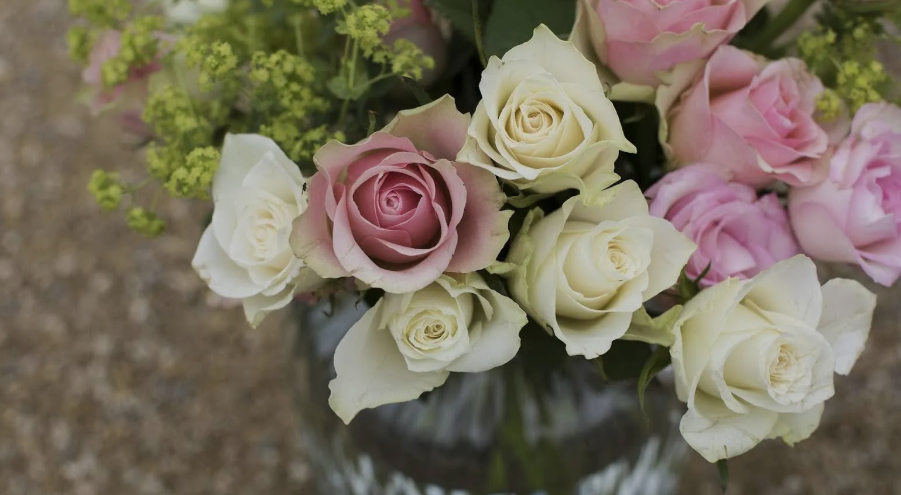
Roses that live between one and five years are usually shorter-lived varieties or plants grown under conditions that limit their lifespan. While many roses can live much longer, some types naturally behave more like short-term ornamental plants, especially when grown in containers, harsh climates, or poor soil conditions. Their lifespan often depends on care, environment, and variety.
Some roses are grown as annuals or short-lived perennials, meaning they focus on producing many flowers quickly rather than living for decades. These plants put most of their energy into blooming, which can shorten their overall life cycle. Gardeners often choose them for seasonal color and fast results rather than long-term landscaping.
Environmental stress is one of the main reasons roses live only a few years. Extreme heat, cold winters, poor drainage, pests, or diseases can weaken plants over time. When roses struggle to adapt to their surroundings, their growth slows, and their lifespan may be reduced to just a few growing seasons.
Care practices also strongly affect how long roses survive. Inconsistent watering, lack of pruning, or nutrient-poor soil can cause plants to decline earlier. On the other hand, regular feeding, proper sunlight, and removal of dead or diseased parts can help roses reach the upper end of the 1–5 year lifespan.
Roses that Last Longer
Annual Roses in Cold Climates
Some tender roses grown in USDA zones colder than their hardiness rating are treated as annuals or short-lived perennials, lasting 1-3 seasons before winter kills them. Miniature roses, tender tea roses, and tropical varieties often fall into this category when grown outside their zones.
Gardeners in cold climates sometimes enjoy these roses for 2-3 seasons before replacing them, accepting that harsh winters will eventually kill the plants despite winter protection efforts.
Containerized Patio Roses
Miniature and patio roses grown in containers often decline after 2-3 years due to root-bound conditions, nutrient depletion, or environmental stress. These compact roses are sometimes treated as temporary plants and replaced after a few seasons rather than being maintained long-term.
While they can live longer with repotting and proper care, many gardeners find it easier to replace containerized roses every 2-3 years rather than managing their increasing care requirements as they age.
Knockout Roses (Short-Term Landscaping)
Knockout roses are often planted in commercial landscapes and replaced every 2-5 years as part of regular landscape refreshing, though they can live much longer.
These disease-resistant shrub roses bloom prolifically but may become woody or overgrown after several years, leading landscapers to replace them. Homeowners can maintain Knockout roses for decades, but commercial settings often rotate them out after 2-3 years for consistent appearance and vigor.
Miniature Roses
Miniature roses, especially those sold as gift plants, often decline after 1-3 years when grown indoors or in challenging conditions. These small roses struggle with indoor environments, pests, and limited root space in decorative containers.
While outdoor miniature roses can live many years, gift miniatures are frequently treated as temporary plants, enjoyed for 1-3 years before replacement, similar to seasonal flowering houseplants.
Drift Roses (Landscape Rotation)
Drift roses are compact groundcover roses that can live for many years but are sometimes rotated out of landscapes after 2-4 years for refreshed appearance.
These low-maintenance roses are used in mass plantings and may be replaced periodically as part of landscape updates. While capable of living decades, commercial landscapes sometimes treat Drift roses as medium-term plants, replacing them every few years to maintain uniform size and appearance across large plantings.
Floribunda Roses (Commercial Settings)
Floribunda roses in commercial settings like hotel landscapes or public gardens are sometimes replaced every 3-5 years despite being capable of much longer lifespans.
This practice maintains peak bloom performance and uniform appearance rather than reflecting the roses’ actual potential longevity. Varieties like ‘Iceberg,’ ‘Julia Child,’ and ‘Betty Boop’ can live 20+ years in home gardens but may be rotated more frequently in commercial applications.
Hybrid Tea Roses (High-Maintenance Varieties)
Some hybrid tea roses, particularly those struggling with disease or grown in unsuitable climates, may decline significantly after 2-4 years without intensive care. Varieties that are disease-prone or poorly suited to local conditions may require replacement after a few seasons.
While well-suited hybrid teas can live decades, gardeners sometimes replace struggling varieties after 2-3 disappointing years rather than continuing to battle recurring problems.
Rosa Rugosa (Temporary Hedging)
Rosa rugosa, while typically long-lived (50+ years possible), is sometimes used as temporary hedging and removed after 2-5 years when landscape plans change. These incredibly hardy roses can spread aggressively, leading some gardeners to remove them after a few years if they become invasive.
Though capable of extreme longevity, rugosas planted for short-term purposes may be deliberately removed after 2-3 years before they establish extensive root systems.
Grafted Roses (Rootstock Failure)
Some grafted roses fail after 2-4 years when the graft union weakens or rootstock incompatibility issues emerge. This is more common with roses grafted onto unsuitable rootstocks or when planted incorrectly with exposed graft unions.
While most grafted roses live for decades, a percentage experience early failure within the first few years, requiring replacement sooner than expected.
Cut Flower Garden Roses
Roses grown specifically for cut flower production in home gardens are sometimes replaced every 2-4 years to maintain vigorous growth and optimal bloom production. Varieties like ‘Cinco de Mayo,’ ‘Hot Cocoa,’ and floribunda types used for cutting may be rotated to ensure the best quality blooms.
While these roses can live much longer, dedicated cut flower gardeners sometimes replace them periodically to maintain peak performance and experiment with new varieties.