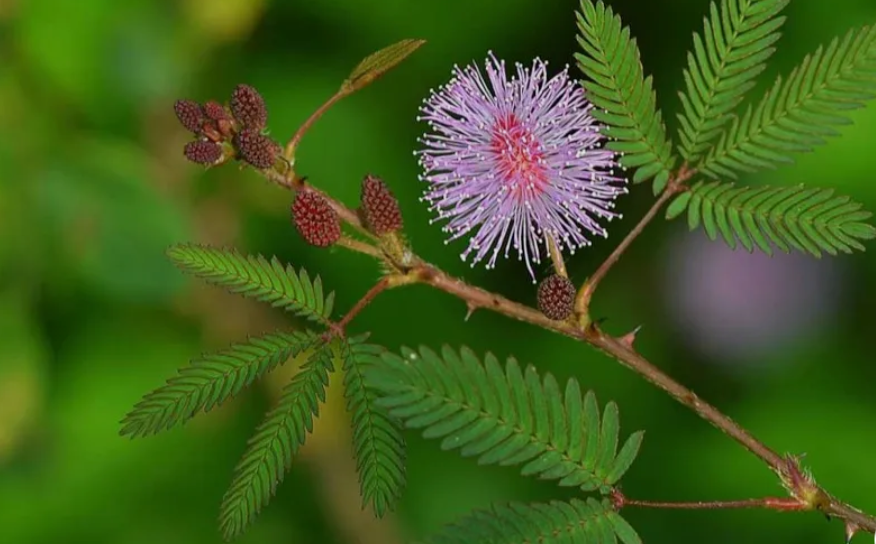
Ferns that close when touched are usually very interesting and intriguing plants in the plant kingdom. This behavior—called thigmonasty or seismonasty—is a defense mechanism found in certain flowering plants (angiosperms), most famously in the pea family (Fabaceae). The famous “sensitive fern” (Onoclea sensibilis) is a real fern but gets its name only because its fronds blacken and die at the first touch of frost; it does not respond to mechanical touch.
These plants react to physical contact by folding or drooping their fronds, a behavior that often surprises people who see it for the first time. The quick response is part of a natural defense mechanism that helps the plant respond to disturbances in its environment.
The movement happens because of rapid changes in water pressure within specialized plant cells. When the plant senses touch, vibration, or even strong wind, signals travel through its tissues and cause the fronds to fold inward. This process happens in just seconds, creating the appearance that the plant is “closing” or shrinking away from contact. After a short period, the fronds gradually reopen once the disturbance has passed.
By folding its leaves, the plant may discourage insects or animals from feeding on it. A sudden movement can startle small herbivores or make the plant appear less appealing as food. In some cases, closing the fronds also helps reduce exposure to potential damage from heavy rain or debris.
These plants are often found in warm, humid environments where ferns naturally thrive. They grow well in shaded forests, tropical regions, and moist garden settings. The combination of shade, consistent moisture, and rich soil allows them to maintain the delicate structures needed for their touch-sensitive movements.
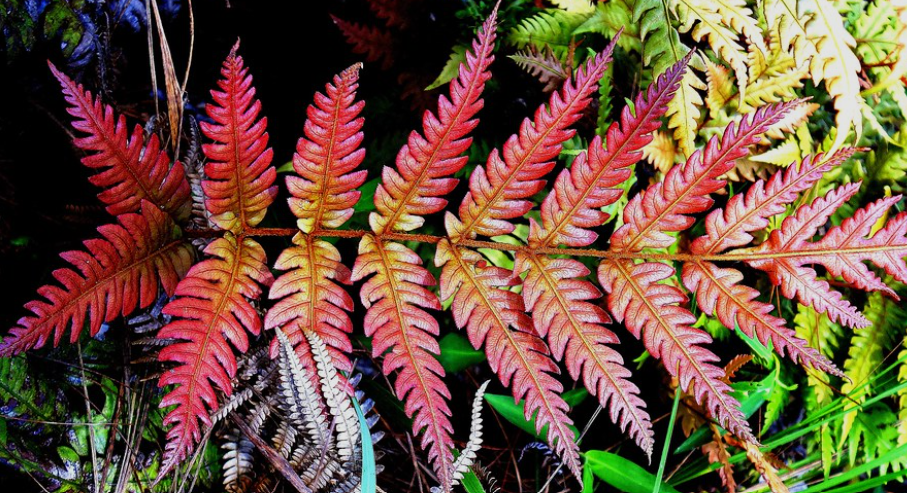
Plants/Ferns that Close When Touched
Sensitive Plant (Mimosa pudica)
Commonly called the sensitive plant, touch-me-not, or humble plant, this tropical legume is the classic example everyone thinks of. Its small, feathery, bipinnate leaves look exactly like miniature fern fronds.
When even lightly touched (or shaken by wind or rain), the leaflets fold together and the whole leaf stalk droops within seconds as a defense against herbivores; the plant reopens after 10–30 minutes. It also closes at night (nyctinasty). Native to the Americas but now widespread in tropics, it has prickly stems and fluffy pink flower balls.
Water Mimosa (Neptunia oleracea)
Known as the sensitive plant or water mimosa, this aquatic legume floats on ponds and has twice-pinnate leaves that are often described as “fernlike.” A gentle touch causes the leaflets to fold inward almost instantly, exactly like Mimosa pudica.
It produces clusters of yellow pompom flowers and is grown as an ornamental in water gardens in USDA zones 9–11. Despite the common name “sensitive plant,” it is a flowering pea-family member, not a fern.
Giant Sensitive Fern (Aeschynomene fluitans)
Popularly sold as “Giant Sensitive Fern” or floating sensitive fern, this African aquatic legume has stems buoyed by spongy tissue so it floats on water surfaces. Its small alternate leaves (1–2 inches) close slowly but noticeably when touched, giving the “sensitive” name.
It produces attractive yellow pea-like flowers and can spread 6–8 feet across a pond. Like the others, it is a legume with fern-like foliage but is not a true fern.
Little Tree Plant (Biophytum sensitivum)
Often called the little tree plant or sensitive plant, this tiny tropical herb has compound leaves that strongly resemble delicate fern fronds arranged in a palm-like rosette. Touching the leaflets causes them to fold inward dramatically within seconds (a stronger reaction than many other sensitive plants).
Native to Asia and Africa, it grows only a few inches tall and is sometimes kept as a novelty houseplant. Again, it is an oxalid (not a fern) despite the fern-like appearance.
Telegraph Plant (Codariocalyx motorius)
Codariocalyx motorius is sometimes called the “dancing plant” because its small side leaflets move in response to vibrations, light, and touch. The fern-like compound leaves shift slowly, creating a gentle waving motion that can be observed over time.
This movement is caused by specialized motor cells that respond to environmental stimuli. Native to Asia, it has fascinated botanists for centuries because of its unusual leaf motion.
Partridge Pea (Chamaecrista fasciculata)
Chamaecrista fasciculata is a wildflower with rows of tiny leaflets that give it a soft, fern-like appearance. When touched or when darkness falls, the leaflets may fold together along the stem. This reaction is believed to reduce moisture loss and protect the foliage from nighttime conditions.
The plant is native to North America and produces bright yellow flowers that attract pollinators.
Jointvetch (Aeschynomene indica)
Aeschynomene indica is a wetland plant with delicate compound leaves that respond to disturbance. When touched, the leaflets fold inward slightly, giving the appearance that the plant is closing its foliage.
It commonly grows in rice fields, marshes, and other moist habitats in tropical and subtropical regions. The plant also produces small yellow flowers and segmented seed pods.
Giant Sensitive Plant (Mimosa pigra)
Mimosa pigra is a much larger relative of the common sensitive plant and can grow into a tall, thorny shrub. Like its smaller cousin, the leaves fold rapidly when touched or shaken.
The plant produces round, fluffy pink flower clusters that resemble small powder puffs. In some tropical areas it spreads aggressively and forms dense thickets in wetlands.
Sleeping Mimosa (Mimosa diplotricha)
Mimosa diplotricha has finely divided leaves that resemble miniature fern fronds. These leaves fold inward when touched and also close naturally at night, which is why the plant is sometimes called a “sleeping” plant.
The stems may be prickly, and the plant produces clusters of pink spherical flowers. It grows rapidly in warm climates and can spread widely.
Powderpuff Mimosa (Mimosa strigillosa)
Mimosa strigillosa is a low-growing groundcover known for its soft foliage and fluffy pink blooms. The fern-like leaves can fold or droop when disturbed, showing a mild touch response similar to other mimosa species. Because it spreads across the ground, it is sometimes used in landscaping in warm regions. The flowers attract bees and butterflies, making it useful in pollinator gardens.
Catclaw Sensitive Briar (Mimosa nuttallii)
Mimosa nuttallii is a North American species with prickly stems and finely divided leaves. When touched, the leaflets fold together along the central stem in a protective motion. This reaction may discourage animals from grazing on the plant.
It grows naturally in grasslands and open woodland areas.
Giant Powderpuff Plant (Calliandra haematocephala)
Calliandra haematocephala has feathery leaves that resemble fern foliage and may fold slightly when disturbed. Although the movement is slower than in the sensitive plant, the leaflets can draw closer together after touch.
The plant is best known for its large, bright red powder-puff flowers. It is commonly grown as an ornamental shrub in tropical and subtropical gardens.