Plants have long been associated with symbolism across cultures, representing ideas like growth, renewal, harmony, and abundance. In many traditions, the way a plant grows—upright, spreading, flowering, or fruiting—mirrors aspects of human life. For example, lush green foliage often symbolizes vitality and health, while flowering plants may represent beauty, love, or new beginnings. This deep connection between plants and meaning has made them important in rituals, decor, and spiritual practices for centuries.
In systems like Feng Shui and other cultural philosophies, plants are believed to influence the flow of energy in a space. Healthy, thriving plants are thought to attract positive energy, while wilted or neglected ones may symbolize stagnation or imbalance. The placement of plants, their shapes, and even the number of leaves can carry symbolic importance, helping create environments that feel peaceful, balanced, and supportive of success and well-being.
Certain plants are especially known for attracting good luck and prosperity. These are often chosen for their resilience, vibrant appearance, or unique features. For instance, plants with round leaves are commonly associated with wealth because their shape resembles coins, while fast-growing plants symbolize progress and opportunity. In homes and workplaces, such plants are often placed near entrances, desks, or living areas to invite abundance and positive outcomes.
Plants that Bring Good Luck, Prosperity and Fortune
Lucky Bamboo
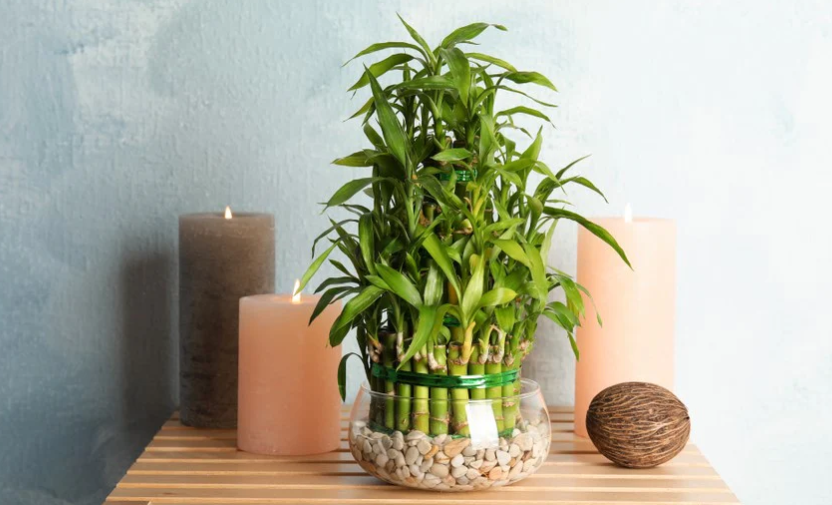
Lucky bamboo is one of the most popular plants associated with good fortune, especially in Feng Shui. Despite its name, it is not a true bamboo but a type of Dracaena. It is believed to attract prosperity, happiness, and longevity, depending on the number of stalks arranged together. Easy to grow in water or soil, it thrives in indirect light and is often placed in homes or offices to invite positive energy.
Money Tree
The money tree is widely regarded as a symbol of wealth and financial success. Its braided trunk is thought to “lock in” good fortune, while its lush green leaves represent growth and abundance. Native to Central and South America, it adapts well to indoor conditions and is commonly used in offices or businesses to encourage prosperity and good luck.
Jade Plant
The jade plant, often called the “money plant,” is a succulent known for its thick, coin-shaped leaves that symbolize wealth and success. In Feng Shui, it is commonly placed near entrances or business areas to attract financial opportunities. It is a hardy plant that requires minimal watering and plenty of sunlight. It can be ideal for beginners.
Snake Plant
Snake plants are believed to bring protective energy and ward off negative influences. Their upright, sword-like leaves symbolize strength, resilience, and growth. In addition to their symbolic value, they are known for their air-purifying qualities and ability to thrive in low-light conditions.
Peace Lily
Peace lilies are associated with harmony, tranquility, and spiritual well-being. Their elegant white blooms symbolize purity and calm energy, helping to create a balanced environment. They are also known to improve indoor air quality and are often placed in living rooms or bedrooms to promote peaceful and positive surroundings.
Chinese Evergreen
Chinese evergreen plants are considered symbols of good luck and longevity, especially in Asian cultures. Their attractive, patterned leaves bring a sense of beauty and vitality to indoor spaces. They are extremely easy to care for and tolerate low light. It can be a great plant for beginners and those looking to enhance positive energy effortlessly.
Orchids
Orchids are often linked to luxury, fertility, and abundance. In Feng Shui, they are believed to attract good fortune in relationships and creativity. Their exotic, long-lasting flowers add elegance and refinement to any room, while also symbolizing growth and prosperity in personal and professional life.
Basil
Basil is more than just a culinary herb—it has strong cultural and spiritual associations with luck and protection. In many traditions, especially in India, holy basil (Tulsi) is revered as a sacred plant that brings blessings and positive energy. It thrives in sunny conditions and is often kept near entrances or windows to invite prosperity and well-being into the home.
Aloe Vera
Aloe vera is widely regarded as a plant that attracts positive energy while warding off negativity. In many traditions, it is believed to bring luck, health, and protection to the home. Its thick, healing leaves symbolize resilience and well-being. Easy to grow, it thrives in bright light and requires minimal watering.
Rubber Plant
The rubber plant is associated with wealth, abundance, and prosperity due to its large, round leaves that resemble coins. In Feng Shui, it is often placed in wealth corners to encourage financial growth. Its bold, glossy foliage also adds a sense of strength and stability.
Lavender
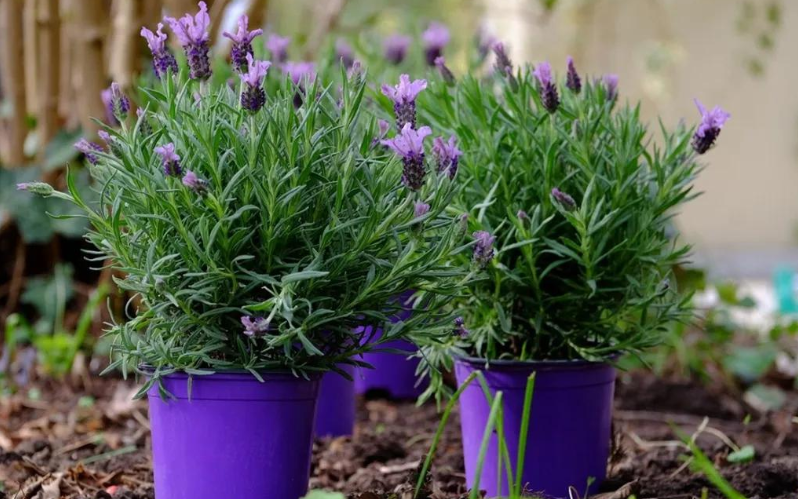
Lavender is known for attracting calmness, peace, and positive energy. It is often associated with emotional balance and spiritual healing, helping to reduce stress and invite harmony. In folklore, lavender is also believed to protect against negative influences. It also feature fragrant purple flowers.
Chamomile
Chamomile is considered a plant of luck, relaxation, and prosperity in various traditions. It is often linked to success and is sometimes used in rituals meant to attract wealth. Beyond symbolism, it is valued for its calming properties and is commonly used in teas. Its delicate flowers bring a gentle, soothing presence to any space.
Mint
Mint is associated with prosperity, vitality, and good fortune. In many cultures, it is believed to attract financial success and positive energy when grown at home. Its fast-growing nature symbolizes abundance and renewal. Mint is also highly useful in cooking and herbal remedies.
Citrus Trees
Citrus trees, such as lemon and orange, are strong symbols of wealth, luck, and happiness. Their bright fruits represent abundance and prosperity, especially in Feng Shui practices. These trees are often placed near entrances or in sunny areas to invite good fortune. With proper care and sunlight, they can thrive in pots and bring both beauty and symbolism.
Eucalyptus
Eucalyptus is believed to attract healing energy, protection, and prosperity. Its fresh, clean scent is associated with renewal and clarity, helping to remove negative energy from a space. Often used in spiritual practices, eucalyptus also symbolizes growth and well-being. It can be grown indoors with enough light or used as decorative cut foliage.
Bamboo Palm
The bamboo palm is considered a lucky plant that promotes peace, harmony, and prosperity. It is often used in Feng Shui to balance energy and purify the air. Its soft, feathery fronds create a calming atmosphere, making it ideal for homes and offices. This plant thrives in indirect light and adds a tropical, uplifting feel to any environment.
ZZ Plant
The ZZ plant is often associated with steady growth, wealth, and resilience. Its thick, glossy leaves symbolize endurance and long-term prosperity, making it a popular choice for offices and business spaces. It thrives in low light and requires very little care, representing stability and the ability to flourish even under challenging conditions.
Philodendron
Philodendrons are linked to abundance, personal growth, and emotional well-being. Their lush, trailing or climbing nature symbolizes expansion and progress in life. In Feng Shui, they are thought to enhance positive energy and bring a sense of vitality to indoor spaces. They are also easy to care for, thriving in a variety of light conditions.
Areca Palm
The areca palm is considered a symbol of peace, prosperity, and positive energy flow. Its feathery, arching fronds create a gentle, calming effect that promotes harmony in the home. Often used in Feng Shui, it is believed to purify the air and attract good fortune. It thrives best in bright, indirect light and adds a tropical touch to interiors.
Pothos (Devil’s Ivy)
Pothos is widely seen as a plant that brings luck, wealth, and positive energy. Its trailing vines symbolize growth and the continuous flow of prosperity. In Feng Shui, it is often placed in corners to soften sharp energy and promote balance. It is also extremely hardy and adaptable, making it perfect for beginners.
Rosemary
Rosemary is traditionally associated with remembrance, protection, and good luck. It is believed to cleanse negative energy and invite clarity and positivity into a space. In many cultures, it is used in rituals for prosperity and well-being. As a bonus, it is a useful culinary herb that thrives in sunny conditions.
Thyme
Thyme symbolizes courage, strength, and prosperity. Historically, it has been linked to bringing good fortune and positive energy into homes. It is often associated with resilience and success, making it a meaningful addition to any indoor or outdoor garden. Thyme is easy to grow and thrives in bright, well-drained conditions.
Sage
Sage is widely known for its cleansing and protective properties. It is believed to remove negative energy and invite prosperity and wisdom. In spiritual practices, sage is often used to purify spaces and promote balance. Growing sage at home is thought to maintain a positive and harmonious environment.
Peony
Peonies are powerful symbols of wealth, romance, and good fortune, especially in Asian traditions. Their large, lush blooms represent abundance and prosperity. In Feng Shui, they are often associated with attracting love and success. These beautiful flowering plants add elegance and a sense of richness to any garden or home.
Spider Plant
Spider plants are often linked to protection, renewal, and positive energy. Their arching leaves and “baby” offshoots symbolize growth and multiplication of good fortune. They are easy to grow and adapt well to indoor environments. When properly cared for, it creates a lively, uplifting atmosphere in homes.
Calathea
Calatheas, often called prayer plants, are associated with new beginnings and spiritual growth. Their leaves open and close with light, symbolizing rhythm, renewal, and harmony. In Feng Shui, they are believed to bring calm and balance while encouraging personal development and positive transformation.
Anthurium
Anthuriums are symbols of hospitality, happiness, and abundance. Their bright, heart-shaped flowers represent warmth and welcoming energy. In many traditions, they are believed to attract prosperity and joy. Mostly grown in living spaces where positive energy and social harmony are desired.
Gardenia
Gardenias are associated with purity, peace, and good luck. Their fragrant white flowers symbolize clarity and positive spiritual energy. Often used in rituals and celebrations, they are believed to bring calmness and attract good fortune, especially when placed near entrances or windows.
Hibiscus
Hibiscus plants symbolize beauty, success, and passion. In many cultures, they are considered lucky plants that attract fame, recognition, and prosperity. Their vibrant blooms bring lively energy to any space. It is therefore, perfect for gardens and sunny indoor areas.
Marigold
Marigolds are strongly associated with wealth, positivity, and protection. Their bright yellow and orange flowers symbolize the sun, representing warmth, success, and abundance. In many traditions, they are used in ceremonies and are believed to attract prosperity while warding off negative influences.
Magnolia
Magnolias represent dignity, nobility, and good fortune. Their large, elegant blooms are often linked to wealth and perseverance. In Feng Shui, they are thought to bring stability and long-lasting prosperity. They are typically grown outdoors but can make a powerful symbolic addition to gardens.
Chrysanthemum
Chrysanthemums symbolize longevity, happiness, and abundance. In many cultures, they are associated with a long and prosperous life. Their vibrant blooms bring cheerful energy and are believed to attract good luck, especially when displayed in living areas or gardens.
Camellia
Camellias are symbols of admiration, prosperity, and perfection. Their balanced, symmetrical blooms represent harmony and positive energy. In traditional beliefs, they are thought to attract good fortune and enhance relationships.