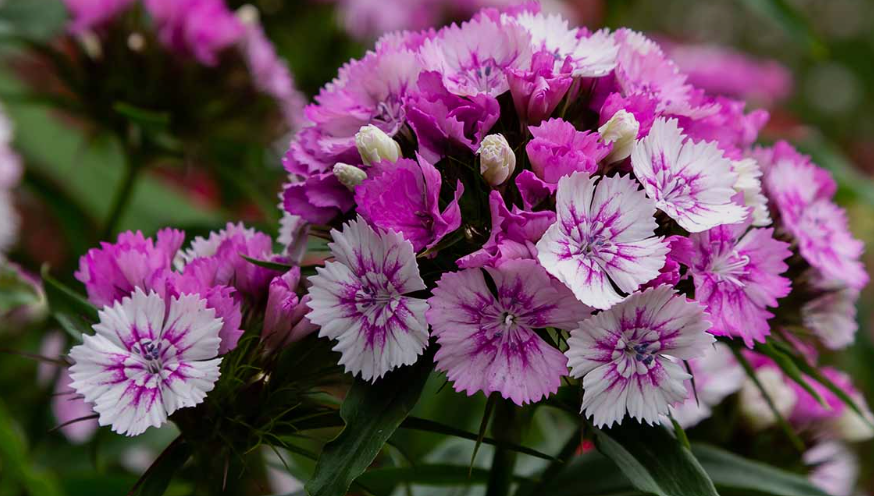
Dianthus barbatus, commonly known as Sweet William, is a popular flowering plant admired for its bright colors and pleasant fragrance. It belongs to the carnation family and is widely grown in gardens around the world. The plant produces attractive clusters of small flowers that make it a favorite choice for ornamental gardens and decorative landscapes.
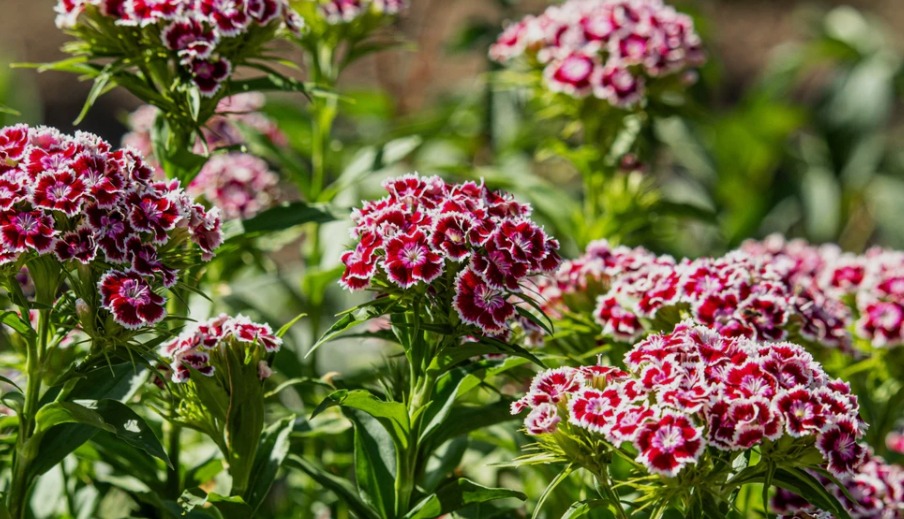
Sweet William flowers are known for their variety of colors and patterns. The blooms can appear in shades of red, pink, white, purple, and sometimes bi-colored combinations. Many varieties also feature contrasting centers or ring-like patterns, which add to the flower’s unique and decorative appearance.
The plant typically grows upright stems topped with dense flower clusters. These clusters can contain many small blossoms packed closely together, creating a striking display when the plant is in full bloom. The flowers usually appear in late spring or early summer, bringing vibrant color to garden beds.
Sweet William is usually grown as a biennial plant, meaning it completes its life cycle in two years. During the first year, the plant mainly develops leaves and roots. In the second year, it produces flowers, seeds, and then completes its life cycle, although some varieties may behave like short-lived perennials.
This flower grows best in sunny locations with well-drained soil. It prefers soil that is neutral to slightly alkaline and enriched with organic matter. With proper conditions, Sweet William plants develop strong stems and produce abundant clusters of blooms.
Sweet William flowers are also beneficial for the garden because they attract pollinators such as bees, butterflies, and other helpful insects. These pollinators help support plant reproduction and improve the overall health of the garden ecosystem.
Gardeners appreciate Sweet William because it is relatively easy to grow and maintain. The plant requires moderate watering, occasional fertilizing, and simple care such as removing faded flowers to encourage additional blooms.
In addition to its beauty in garden landscapes, Sweet William is also widely used as a cut flower in bouquets and floral arrangements. Its long-lasting blooms and vibrant colors make it suitable for decorating homes, events, and celebrations while adding a touch of natural charm.
Growing Sweet William in Containers
Choose the Right Container
Select a container that is at least 20–25 cm (8–10 inches) deep so the roots have enough room to grow. The pot should also have drainage holes at the bottom to prevent excess water from accumulating.
Ensure Proper Drainage
Good drainage is essential for Sweet William because the plant does not tolerate soggy soil. Placing small stones or broken pottery pieces at the bottom of the container can help improve water flow.
Use High-Quality Potting Mix
Fill the container with a well-drained, nutrient-rich potting mix. A mix designed for flowering plants works well. You can also blend garden soil with compost and sand to improve drainage and fertility.
Maintain the Right Soil pH
Sweet William prefers neutral to slightly alkaline soil. If the soil is too acidic, adding a small amount of garden lime can help adjust the pH to a suitable level for healthy growth.
Plant Seeds or Seedlings
You can start Sweet William in containers using either seeds or young seedlings. Sow seeds lightly on the surface and cover them with a thin layer of soil, or transplant seedlings carefully to avoid damaging their roots.
Provide Proper Spacing
If planting multiple plants in one container, leave about 15–20 cm (6–8 inches) between them. This spacing ensures good airflow and prevents overcrowding as the plants mature.
Place the Container in a Sunny Spot
Sweet William grows best with at least 6 hours of sunlight daily. Position the container on a sunny balcony, patio, or near a bright window if grown indoors.
Water Regularly but Moderately
Keep the soil evenly moist but not waterlogged. Containers dry out faster than garden beds, so check the soil regularly and water when the top layer begins to feel dry.
Apply a Balanced Fertilizer
Feed the plants every few weeks with a balanced liquid fertilizer or slow-release fertilizer designed for flowering plants. This encourages strong growth and abundant blooms.
Support Good Air Circulation
Place containers where air can circulate around the plants. Proper airflow helps reduce the risk of fungal diseases and keeps the plants healthy.
Deadhead Spent Flowers
Remove faded or wilted blooms regularly. This process, known as deadheading, encourages the plant to produce more flowers and keeps the container looking neat.
Monitor for Pests
Container-grown Sweet William may occasionally attract pests such as aphids or spider mites. Inspect plants regularly and treat infestations with gentle methods like insecticidal soap if necessary.
Protect Plants from Extreme Weather
If temperatures become extremely hot or cold, move the container to a more sheltered location. Containers allow flexibility, making it easier to protect plants from harsh conditions.
Allow Some Flowers to Produce Seeds
If you want new plants for the next season, allow a few flowers to mature and produce seeds. These seeds can later be collected and replanted in containers or garden beds.