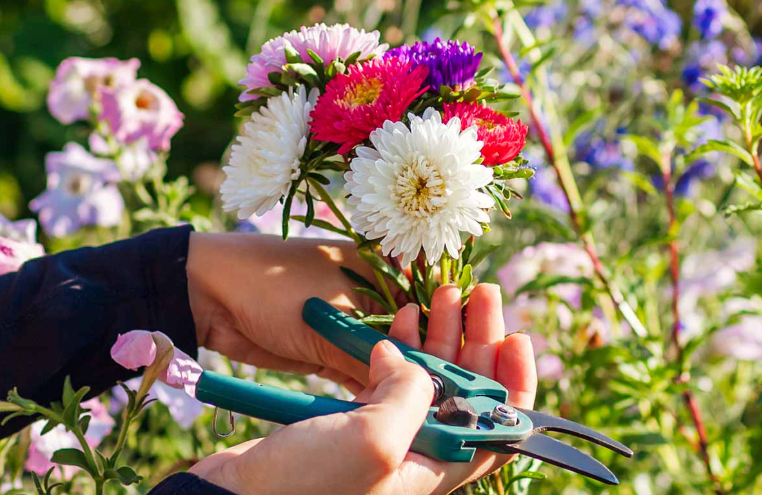
Perennial flowers are a wonderful choice for a cutting garden because they return year after year, saving time and effort while providing a steady supply of blooms. Once established, these plants can produce flowers across multiple seasons, making them both practical and rewarding for gardeners who enjoy fresh arrangements indoors.
One of the biggest advantages of perennial flowers is their reliability. Unlike annuals that must be replanted each year, perennials grow back from their roots. This allows gardeners to build a stable, long-term cutting garden that improves over time as plants mature and produce more stems suitable for cutting.
Many perennial flowers are especially valued for their long stems and vase life. Varieties like coneflowers, daisies, and yarrow hold up well after being cut and can last several days in water. Their sturdy structure and vibrant colors make them ideal for bouquets, whether simple or mixed with other flowers.
Another benefit is the wide range of bloom times available. By choosing a mix of early, mid-season, and late-blooming perennials, you can enjoy fresh flowers throughout much of the year. This continuous supply keeps your cutting garden productive and visually appealing across changing seasons.
Perennials also tend to attract pollinators such as bees and butterflies. This not only supports the local ecosystem but can also improve the overall health of your garden. A lively, pollinator-friendly space often leads to stronger plants and better flowering performance.
To maintain a productive cutting garden, regular care is important. This includes watering, occasional feeding, and cutting flowers frequently to encourage new growth.
Best Cutting Flowers To Grow
Peony (Paeonia)
Few flowers match the peony for sheer opulence. With their enormous, ruffled blooms in shades of blush, cream, coral, and deep magenta, they make showstopping vase arrangements. They’re long-lived plants that reward patience — once established, they return reliably for decades.
Coneflower (Echinacea purpurea)
Coneflowers bring a cheerful, meadow-fresh quality to bouquets with their daisy-like petals and prominent central cones. Available in purple, pink, white, orange, and yellow, they’re also exceptionally drought-tolerant and beloved by pollinators.
Black-Eyed Susan (Rudbeckia hirta)
These golden-yellow flowers with dark chocolate centers are classic late-summer cutters. They have strong, upright stems, last beautifully in a vase, and naturalize readily, meaning more blooms each year with almost no effort.
Garden Phlox (Phlox paniculata)
Tall clusters of fragrant, star-shaped flowers in shades of pink, lavender, white, and red make garden phlox an excellent cutting garden staple. They bloom from midsummer into fall and add both colour and sweet fragrance to arrangements.
Yarrow (Achillea millefolium)
Yarrow produces flat-topped clusters of tiny flowers in yellow, white, red, and salmon that are perfect for adding texture to mixed bouquets. It also dries beautifully, extending its usefulness well beyond the growing season.
Delphinium (Delphinium elatum)
The towering spikes of delphinium — in electric blues, purples, and whites — add dramatic vertical interest to arrangements. Though they require staking, their stunning blooms more than justify the effort, and they’re among the few true-blue flowers in the garden.
Shasta Daisy (Leucanthemum × superbum)
A timeless cottage-garden flower, the Shasta daisy produces bright white petals around a sunny yellow center. It’s a prolific bloomer, easy to grow, and incredibly useful as a “filler” flower that complements almost any other bloom in a vase.
Foxglove (Digitalis purpurea)
With tall, stately spires of tubular blooms in pink, purple, white, and cream — often with spotted throats — foxglove adds a dramatic, architectural element to cut arrangements. It self-seeds freely, ensuring a steady supply of plants year after year.
Russian Sage (Perovskia atriplicifolia)
Russian sage contributes wispy, silver-blue sprays that are invaluable for adding airy texture and a cool color to bouquets. The fine-textured foliage is subtly aromatic, and the plant is extraordinarily tough and heat-tolerant.
Salvia (Salvia nemorosa)
Compact and richly colored, ornamental salvias produce dense spikes of deep purple, blue, or pink flowers over a long season. They’re a fantastic filler flower and attract bees and butterflies in abundance while being largely ignored by deer.
Liatris / Blazing Star (Liatris spicata)
Liatris produces striking, vertical wands of fluffy purple or white flowers that bloom from the top downward — unusual in the flower world. It’s a natural choice for adding height and bold color to summer bouquets and is incredibly easy to grow from corms.
Astilbe (Astilbe spp.)
Astilbe’s feathery plumes in shades of red, pink, white, and lavender are perfect for shady cutting gardens where few flowers thrive. They add a soft, airy texture to arrangements and the dried flower heads have a graceful, papery appeal.
Veronica / Speedwell (Veronica spicata)
Slender spikes of tiny flowers in violet-blue, pink, or white make veronica a useful vertical accent in arrangements. It blooms over a long season, and repeated cutting actually encourages even more flower production.
Hollyhock (Alcea rosea)
Old-fashioned hollyhocks produce towering stalks lined with large, papery blooms in colors ranging from palest blush to near-black. They evoke a nostalgic cottage-garden charm and their tall stems make them impactful focal flowers in large arrangements.
Catmint (Nepeta spp.)
Catmint forms sprawling mounds smothered in tiny lavender-blue flowers on arching stems. It makes a beautiful, billowing filler in arrangements and has a pleasant, minty-herbal fragrance. Cutting it back after the first flush of bloom encourages a generous second wave.
Agapanthus (Agapanthus africanus)
Also known as Lily of the Nile, agapanthus bears globe-shaped clusters of tubular blue or white flowers on tall, elegant stems. It’s a bold, architectural addition to arrangements and thrives in warm climates with well-drained soil.
Crocosmia (Crocosmia spp.)
Crocosmia produces arching sprays of vivid orange, red, or yellow flowers that bring a tropical energy to summer bouquets. The sword-like foliage is also attractive, and the plant spreads readily to create generous clumps over time.
Scabiosa / Pincushion Flower (Scabiosa caucasica)
The delicate, lacy flower heads of scabiosa in lavender, white, and pink look like old-fashioned pincushions. They have a whimsical, romantic quality that suits cottage-style arrangements beautifully, and they bloom prolifically when cut regularly.
Allium (Allium spp.)
Ornamental alliums produce striking spherical flower heads in purple, white, and pink atop tall, bare stems. They’re architectural and dramatic in arrangements, and their globe-like form provides visual contrast to softer, more traditional blooms.
Veronicastrum / Culver’s Root (Veronicastrum virginicum)
A tall, stately native perennial, Culver’s root bears candelabra-like arrangements of slender white or pale pink flower spikes. It adds remarkable height and an elegant, structural quality to late-summer bouquets.
Helenium / Sneezeweed (Helenium autumnale)
Helenium is a warmly colored autumn gem, bearing daisy-like flowers in rich shades of mahogany, copper, gold, and orange. It blooms precisely when most of the summer flowers are fading, bridging the gap beautifully into the harvest season.
Globe Thistle (Echinops ritro)
Globe thistle produces perfectly spherical, steel-blue flower heads that look almost architectural in bouquets. The unusual color and geometric form make it a striking conversation piece, and it dries exceptionally well for use in dried arrangements.
Baptisia / False Indigo (Baptisia australis)
While best known for its spikes of deep blue-purple flowers in spring, baptisia also produces handsome, inflated seed pods that are wonderful in dried or mixed arrangements. It’s a long-lived, no-fuss native that grows into a dramatic, shrub-like clump.
Lychnis / Rose Campion (Lychnis coronaria)
The vivid, almost fluorescent magenta flowers of rose campion are unlike anything else in the garden, held above silvery-white, felted foliage. It self-seeds freely, producing a steady supply of blooms with almost no maintenance required.
Leucanthemella (Leucanthemella serotina)
A tall, late-blooming relative of the Shasta daisy, Leucanthemella produces pristine white flowers well into autumn when most other perennials have finished. Its willingness to bloom in cool fall weather makes it an invaluable late-season cutting garden plant.
Sea Holly (Eryngium spp.)
With its spiky, metallic-blue bracts and thistle-like flowers, sea holly is a unique and eye-catching addition to both fresh and dried arrangements. It thrives in poor, well-drained soils and its steely blue tones pair beautifully with warmer flower colors.
Penstemon (Penstemon spp.)
Penstemons bear tubular flowers in shades of red, pink, purple, and white on upright, branching stems that provide lovely vertical interest in arrangements. They’re long-blooming, attract hummingbirds, and are particularly well-suited to drier garden conditions.
Bleeding Heart (Lamprocapnos spectabilis)
The gracefully arching stems of bleeding heart, hung with rows of heart-shaped pink and white flowers, are among the most charming of all spring-blooming perennials. They make delicate, romantic additions to cool-season arrangements before the summer heat arrives.
Kniphofia / Red Hot Poker (Kniphofia uvaria)
Red hot pokers produce dramatic torches of tubular flowers in fiery red, orange, and yellow that transition to softer gold at the tips. They add bold, tropical flair to summer arrangements and are reliably sun-loving, drought-tolerant plants once established.