
Palm trees with three trunks are visually striking plants that naturally grow in a small cluster of three stems from a single base. This unique structure gives them a balanced and symmetrical appearance, making them stand out in gardens or landscaped areas. Their trio of trunks adds both height and texture without appearing overly dense.
These palms develop each trunk gradually, often with new growth emerging from the base over time. The three-stem arrangement creates a natural focal point in a garden, drawing the eye and adding a sense of structure to the landscape. Their compact yet layered form is ideal for smaller spaces where a single large trunk might dominate.
In landscaping, palms with three trunks are often used as accent plants or decorative centerpieces. The clustered stems allow for interesting visual compositions, especially when paired with flowering plants or shrubs. Their symmetry provides a sense of harmony and elegance, enhancing patios, courtyards, and garden beds.
Another advantage of this growth pattern is resilience. If one trunk becomes damaged or stressed, the remaining two trunks continue to thrive, maintaining the overall appearance of the plant. This makes them a reliable and long-lasting choice for gardeners seeking low-maintenance yet eye-catching greenery.
Caring for palms with three trunks involves providing well-draining soil, adequate sunlight, and moderate watering. Pruning older or damaged fronds helps maintain their neat look and promotes healthy growth.
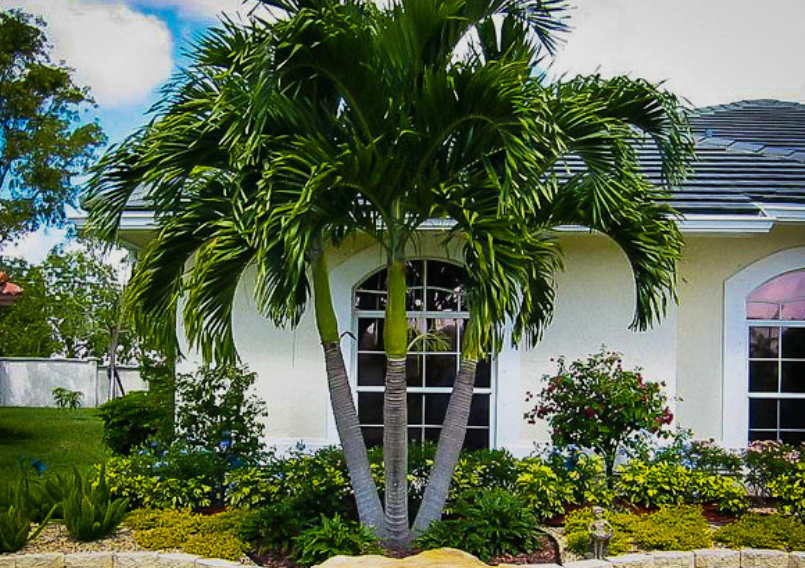
3 Trunk Palm Trees
Triangle Palm
The Triangle Palm is famous for its unusual triangular arrangement of fronds along three main trunks. Each trunk grows evenly from the base, creating a symmetrical and striking appearance. This palm usually reaches about 15 to 25 feet tall and works well as a focal point in tropical gardens or modern landscapes.
Paurotis Palm
The Paurotis Palm can develop a natural three-trunk cluster, giving it a dense, tropical look. Each trunk supports fan-shaped leaves that arch outward, creating a dramatic canopy. It typically grows around 15 feet tall and is ideal for creating visual interest in garden beds or along walkways.
Dwarf Sugar Palm
The Dwarf Sugar Palm often produces three stems from the base, forming a compact clump. Its feathery, arching fronds spread outward, creating a lush tropical appearance. This palm usually grows 6 to 12 feet tall and is perfect for small gardens or patios where space is limited.
Loulu Palm
The Loulu Palm sometimes naturally forms three trunks, especially when planted in clusters. Its fan-shaped leaves create a layered tropical effect. It typically reaches 10 to 20 feet tall and adds elegance to coastal or island-style landscaping.
Arenga Palm
The Arenga Palm often grows with three main trunks, producing large, arching fronds that add a soft and elegant texture to landscapes. It generally reaches 15 to 20 feet tall and is ideal as a feature plant in tropical or large garden designs.
Clumping Kentia Palm
The Clumping Kentia Palm develops multiple trunks, but a three-trunk formation is common and especially striking. Each trunk bears long, graceful fronds that create an airy, elegant canopy. It grows about 10 to 15 feet tall and works beautifully in shaded courtyards.
Mountain Date Palm
The Mountain Date Palm often appears with three trunks forming a symmetrical cluster. It produces feather-like fronds that add texture and height to landscapes. Typically, it grows 10 to 20 feet tall and thrives in sunny garden areas.
Golden Cane Palm
The Golden Cane Palm frequently develops three trunks in a compact, clumping formation. Its slender, yellowish stems support feathery fronds that create a dense tropical look. This palm generally grows 8 to 12 feet tall and is often used as a privacy screen or decorative accent.