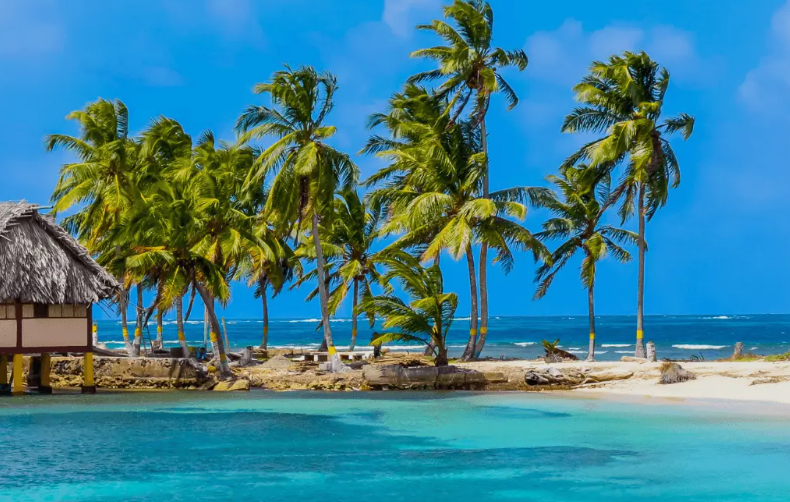
Palm trees play a significant role in coastal environments, where their roots and foliage help stabilize sandy soils and reduce erosion. These trees act as natural windbreaks and provide shade, protecting other plants and wildlife along shorelines. Their presence is especially valuable in tropical and subtropical regions, where storms and tides can drastically reshape coastal landscapes.
In marine conservation, coastal palms contribute indirectly by supporting habitats for wildlife. Birds, insects, and small mammals often rely on palm trees for shelter and food, while the shade they provide helps maintain cooler soil and water temperatures near the coast. Healthy coastal vegetation, including palms, also filters runoff before it reaches the ocean, reducing sedimentation and protecting coral reefs and seagrass beds.
Palm trees are sensitive to environmental changes, making them indicators of ecosystem health. Rising sea levels, saltwater intrusion, and human activity can threaten their survival, which in turn affects coastal biodiversity. Conserving palm populations along coasts is therefore linked to broader efforts to maintain resilient marine ecosystems.
Conservation initiatives often combine the planting of native palms with dune restoration and mangrove protection. By restoring these natural buffers, communities can strengthen shorelines against storms and preserve critical habitats for marine and coastal species. Palms serve as a visible, accessible part of these efforts, highlighting the connection between terrestrial and marine environments.
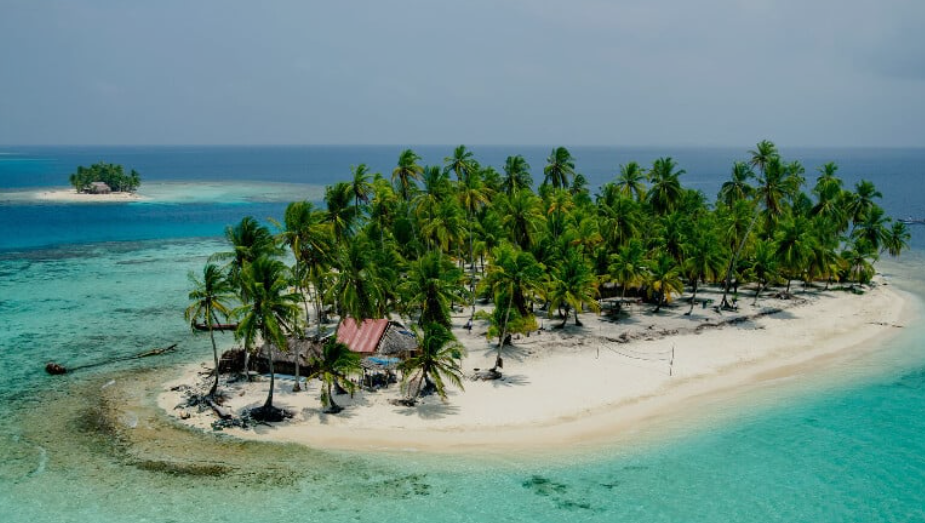
Palm Trees For Coastal Planting
Coconut Palm
Coconut palm is the quintessential coastal palm naturally dispersed by ocean currents, thriving in sandy beach environments with exceptional salt tolerance. These iconic palms reach 60-100 feet tall with curved trunks and arching fronds that bend gracefully in coastal winds without breaking.
Coconut palms stabilize sandy shorelines with their root systems, provide food and habitat for wildlife, and produce buoyant fruits that naturally disperse across ocean waters. Their ability to germinate in pure sand with salt spray exposure makes them invaluable for tropical coastal restoration and stabilization projects.
Saw Palmetto
Saw palmetto is a native North American coastal palm forming dense, low-growing colonies that stabilize dunes and prevent erosion along Atlantic and Gulf coasts. These shrubby palms reach 6-10 feet tall with fan-shaped fronds and creeping underground stems that spread to create extensive root networks binding sandy soils.
Saw palmetto tolerates salt spray, flooding, hurricane-force winds, and nutrient-poor coastal soils while providing critical habitat and food for coastal wildlife. Their aggressive spreading habit and extreme durability make them essential for coastal dune stabilization and restoration throughout the southeastern United States.
Cabbage Palm (Sabal Palm)
Cabbage palm thrives in coastal environments throughout the southeastern United States, tolerating salt spray, flooding, and hurricane winds while stabilizing shorelines. These hardy palms reach 40-50 feet tall with fan-shaped fronds and deep root systems that anchor them against storm surge and erosion.
Cabbage palms naturally colonize coastal hammocks, maritime forests, and beach ridges where they provide nesting sites for birds and food for wildlife. Their exceptional salt tolerance and wind resistance make them valuable for coastal restoration and living shoreline projects.
Silver Palm
Silver palm is a rare coastal species native to South Florida displaying beautiful silvery frond undersides that reflect intense coastal sunlight. These solitary palms reach 20-25 feet tall and naturally grow in coastal rockland hammocks and beach ridges where they tolerate salt spray and sandy soils.
Silver palms provide important habitat in threatened coastal ecosystems and their deep roots help stabilize limestone and sandy substrates. Their endangered status makes them critical for conservation efforts protecting South Florida’s unique coastal palm communities.
Thatch Palm
Thatch palm species including Key thatch and Florida thatch palm grow naturally in coastal hammocks and beach environments, providing important stabilization and habitat. These palms reach 15-30 feet tall with large fan-shaped fronds that historically provided thatching material and currently shelter coastal wildlife.
Thatch palms tolerate salt spray, sandy soils, and coastal storms while their fruits provide food for birds and mammals. Their native status and ecological importance make them valuable for authentic coastal habitat restoration throughout tropical Florida and the Caribbean.
Seashore Palm
Seashore palm naturally inhabits coastal areas of the Caribbean and Central America, thriving in sandy beach environments with direct salt spray exposure. These clustering palms reach 10-20 feet tall and spread through underground stems to form colonies that stabilize beach and dune systems.
Seashore palms tolerate flooding, salt spray, nutrient-poor sand, and hurricane winds while providing nesting habitat and food for coastal birds. Their aggressive spreading and salt tolerance make them excellent for tropical coastal stabilization projects.
Pindo Palm
Pindo palm tolerates coastal conditions reasonably well with moderate salt spray resistance and excellent wind tolerance making it useful for coastal landscaping and buffer zones. These cold-hardy palms reach 15-20 feet tall with blue-gray arching fronds and produce edible fruits consumed by coastal wildlife.
Pindo palms adapt to sandy coastal soils and tolerate drought and salt spray in protected coastal locations. Their hardiness and wildlife value make them useful for coastal conservation areas needing transitional zone vegetation.
Florida Royal Palm
Florida royal palm naturally grows in coastal rockland hammocks and freshwater sloughs near the coast in South Florida and the Everglades. These majestic palms reach 60-80 feet tall with smooth gray trunks and bright green crownshafts creating iconic South Florida coastal landscapes.
Florida royal palms tolerate seasonal flooding and moderate salt spray in protected coastal locations while providing critical nesting habitat for birds. Their native status and ecological importance make them essential for Everglades and coastal wetland conservation efforts.
Buccaneer Palm
Buccaneer palm thrives in coastal Caribbean environments with excellent salt tolerance and wind resistance making it valuable for tropical coastal restoration. These clustering palms reach 15-20 feet tall and spread to form colonies that stabilize coastal soils and provide dense wildlife habitat.
Buccaneer palms tolerate salt spray, sandy soils, and tropical storms while their fruits provide food for coastal birds and mammals. Their clumping habit and coastal adaptation make them useful for stabilizing tropical shorelines.
Scrub Palmetto
Scrub palmetto naturally inhabits coastal scrub habitats and inland dune systems throughout Florida, tolerating salt spray and extreme drought on sandy soils. These low-growing clustering palms typically stay under 6-8 feet tall and spread through underground stems to stabilize dune systems.
Scrub palmetto provides important habitat in threatened coastal scrub ecosystems and tolerates fire, salt spray, and hurricane winds. Their native status and dune-stabilizing properties make them critical for coastal scrub habitat conservation and restoration.
Silver Saw Palm
Silver saw palm is a coastal variant of saw palmetto displaying distinctive silvery-blue fronds and thriving in coastal dune and scrub environments. These low-growing palms form dense colonies that stabilize coastal dunes and prevent erosion with their spreading underground stems.
Silver saw palm tolerates extreme drought, salt spray, nutrient-poor sand, and coastal storms while providing habitat and food for threatened coastal wildlife species. Their striking color and conservation value make them important for protecting unique coastal plant communities.
Needle Palm
Needle palm tolerates coastal conditions in protected maritime forests and swamp margins where it contributes to coastal wetland stability. These low-growing palms reach 6-8 feet tall and thrive in shaded coastal hammocks and floodplains where they stabilize soils with fibrous root systems.
Needle palms tolerate flooding, shade, and moderate salt exposure while providing habitat in coastal wetland ecosystems. Their exceptional cold hardiness makes them valuable for coastal conservation in temperate maritime regions.
Hurricane Palm
Hurricane palm earned its name from exceptional wind resistance and flexibility, making it ideal for coastal areas subject to tropical storms and hurricanes. These solitary palms reach 15-25 feet tall with flexible trunks and tough fronds that bend without breaking in extreme winds.
Hurricane palms tolerate salt spray, sandy soils, and storm surge while their wind resistance prevents them from becoming projectiles during hurricanes. Their storm-resistant qualities make them valuable for coastal landscapes in hurricane-prone regions.
Dwarf Palmetto
Dwarf palmetto is a low-growing native palm forming colonies in coastal marshes, swamp edges, and maritime forests throughout the southeastern United States. These palms typically stay under 3-6 feet tall and spread through underground stems to stabilize wetland soils and prevent coastal erosion.
Dwarf palmetto tolerates flooding, salt spray, fire, and extreme temperature variations while providing critical habitat in coastal wetland ecosystems. Their spreading habit and wetland adaptation make them valuable for coastal marsh restoration and living shoreline projects.
Texas Sabal Palm
Texas sabal palm is native to coastal South Texas and northeastern Mexico, thriving in coastal clay soils and tolerating salt spray and periodic flooding. These solitary palms reach 30-50 feet tall and naturally grow in coastal woodlands and near river mouths where they stabilize soils.
Texas sabal palms tolerate salt spray, drought, and hurricane winds while providing nesting sites and food for coastal birds. Their native status along the Texas coast makes them important for regional coastal habitat conservation.
Key Thatch Palm
Key thatch palm is an endangered species native to the Florida Keys, growing naturally in coastal hammocks where it contributes to threatened habitat stability. These solitary palms reach 15-25 feet tall with large fan-shaped fronds and tolerate salt spray, rocky limestone soils, and hurricane winds.
Key thatch palms provide important habitat in severely threatened Florida Keys ecosystems and their conservation is critical for preserving native coastal plant communities. Their endangered status makes protection and restoration of remaining populations a conservation priority.
Everglades Palm
Everglades palm is a general term for palms naturally occurring in coastal Everglades ecosystems including cabbage palms and royal palms that stabilize wetland systems. These palms thrive in seasonally flooded coastal marshes and mangrove transition zones where they provide critical habitat structure.
Everglades palms tolerate freshwater to brackish conditions, seasonal flooding, and occasional salt exposure while supporting diverse wildlife communities. Their ecological role in Everglades coastal wetlands makes them essential components of this unique ecosystem requiring active conservation and restoration efforts.