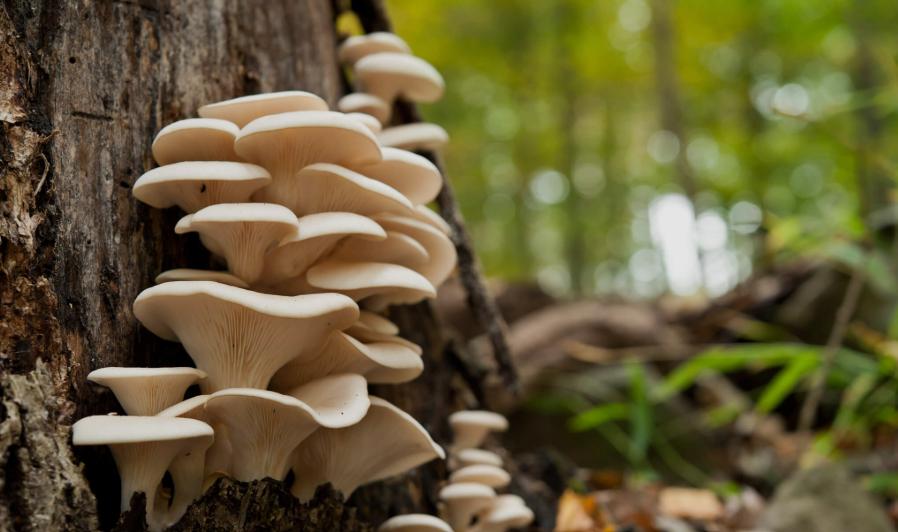
Certain wild fungi are known for containing natural chemical compounds that can strongly affect the human brain and perception. These substances interact with the nervous system, altering how a person thinks, feels, and senses the world around them. For centuries, different cultures have been aware of these effects and sometimes used such fungi in spiritual or traditional ceremonies. Today, scientists study them mainly to understand how they influence consciousness and mental processes.
The effects produced by these fungi vary widely depending on the amount consumed, a person’s body chemistry, and the environment in which they are taken. Some individuals may experience changes in mood, heightened emotions, altered perception of time, or intensified colors and sounds. Others may feel confused, anxious, or uncomfortable instead. Because the brain is directly affected, reactions are unpredictable and can differ greatly from one person to another.
These fungi contain naturally occurring psychoactive compounds that influence brain communication by affecting certain chemical messengers. Researchers have found that these substances can temporarily change how brain regions interact, which may explain why thoughts and sensory experiences feel unusual. While scientists are exploring possible medical uses under controlled conditions, such research is carefully supervised and very different from unsupervised use.
There are also important risks connected to these mushrooms. Some species that look similar can be extremely poisonous, making identification dangerous even for experienced collectors. In addition, strong psychological effects may cause fear, panic, or poor decision-making, especially in unfamiliar surroundings or for younger individuals whose brains are still developing.
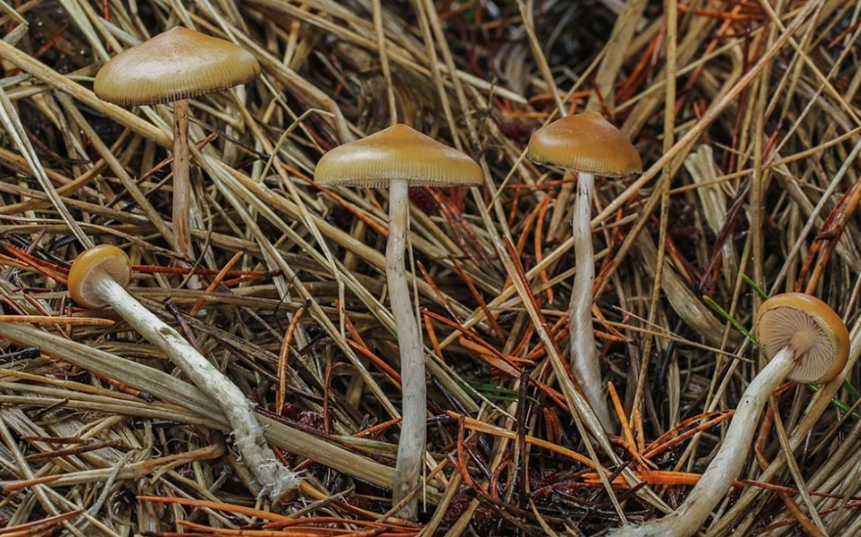
Mushrooms that Can Get You High
Magic Mushroom (Psilocybe cubensis)
Magic Mushroom is one of the most well-known psychedelic species worldwide. It grows in warm, humid environments, often in grassy areas. It contains psilocybin, which can alter sensory perception, emotions, and awareness. Effects vary widely depending on the person and environment.
Liberty Cap (Psilocybe semilanceata)
Liberty Cap is a small mushroom commonly found in grassy meadows. Despite its size, it is considered relatively potent. It has a distinctive pointed cap and has been documented in folklore and historical records across Europe and other regions.
Wavy Cap (Psilocybe cyanescens)
Wavy Cap mushrooms are named for their curled cap edges. They often grow on wood chips and decaying plant material. This species is known for strong psychoactive effects compared with many other psilocybin mushrooms.
Blue Meanie (Panaeolus cyanescens)
Blue Meanie mushrooms are slender and pale with dark gills. They contain high levels of psychoactive compounds and are considered very potent. They typically grow in tropical and subtropical climates.
Flying Saucer Mushroom (Psilocybe azurescens)
This species is recognized for its broad caps and strong potency. It naturally grows in coastal regions on woody debris. It is often studied due to its high psilocybin concentration compared to related species.
Knobby Tops (Psilocybe allenii)
Knobby Tops grow in wood-chip landscapes and urban garden beds. They are closely related to other wood-loving psilocybin mushrooms. Their appearance includes caramel-colored caps that bruise bluish when handled.
Subaeruginosa Mushroom (Psilocybe subaeruginosa)
Common in parts of Australia and nearby regions, this mushroom grows in forests and wood debris. It contains psilocybin and psilocin, producing noticeable changes in perception and mood.
Mexican Liberty Cap (Psilocybe mexicana)
This species has historical importance in traditional ceremonial use in parts of Central America. It is small and delicate, growing in grassy environments. It is among the first psychedelic mushrooms scientifically studied.
Blue Foot Mushroom (Psilocybe caerulescens)
Blue Foot mushrooms are named for the bluish coloration that appears when the stem is bruised. They grow in subtropical regions and are known for moderate psychoactive strength.
Banded Mottlegill (Panaeolus cinctulus)
This mushroom grows in lawns and grassy areas enriched with organic matter. It contains smaller amounts of psychoactive compounds compared to stronger species but can still affect perception.
Dung Roundhead (Protostropharia semiglobata)
Often found on animal dung, this mushroom has mild psychoactive properties reported in some specimens. However, it is not commonly sought after and can easily be confused with non-psychoactive species.
Psilocybe tampanensis (Philosopher’s Stone Mushroom) (Psilocybe tampanensis)
Known for producing underground structures sometimes called “philosopher’s stones,” this species contains psychoactive compounds similar to other psilocybin mushrooms. It grows naturally in warm climates and has been studied for its unique development.