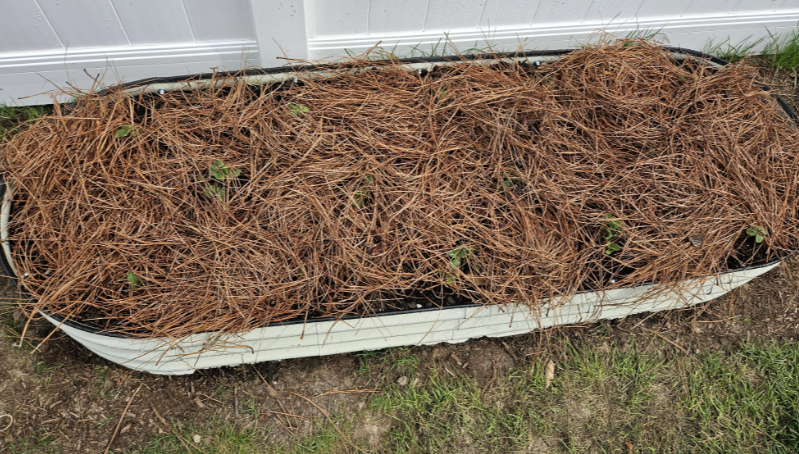
Winterizing strawberries with mulch is vital in regions with cold winters (USDA zones 3–7 especially). Strawberries are hardy perennials, but their shallow crowns and flower buds are vulnerable to temperatures below 15–20°F (-9 to -7°C), repeated freeze-thaw cycles causing heaving (soil expansion pushes plants out, exposing roots), desiccation from winter winds, and crown rot from excess moisture or poor airflow. Proper mulch acts as an insulating blanket, stabilizes soil temperature, prevents heaving, retains soil moisture without sogginess, and reduces erosion.
Apply mulch in late fall after plants are fully dormant (soil consistently ~40°F/4°C or below for several days, often November in northern areas—wait until after a light freeze but before deep winter). Spread 3–6 inches loosely over the entire bed (thicker in colder zones), covering crowns but avoiding thick clumps that smother plants. Use airy, non-matting materials to allow some air circulation. Remove or rake back to ½–1 inch in early spring (when ~25% of plants show new white/yellow growth, often mid-April in central areas) to prevent delayed emergence, rot, or disease. Reapply lightly for summer weed/moisture control if desired.
Straw (clean, weed-free) is the gold standard per university extensions (UMN, Purdue, Cornell, Iowa State)—it provides excellent air pockets for insulation without holding too much water or compacting. Avoid hay (weed seeds), fresh green materials, or anything that mats (e.g., whole leaves).Here are 12 of the best mulch options for winterizing strawberries, prioritized by expert recommendations from extension services and grower trials. Focus on loose, dry, contaminant-free sources.
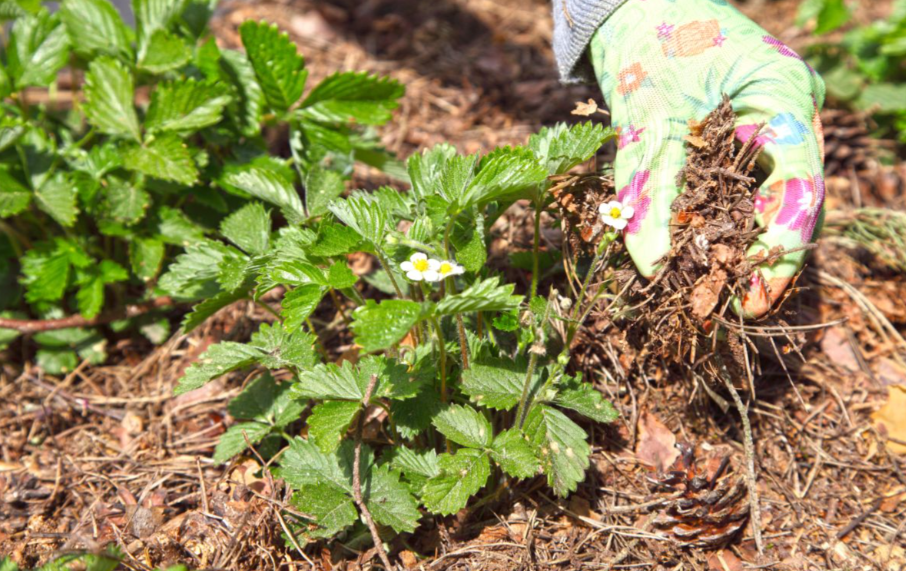
Mulch for Winterizing Strawberries
Straw
Straw is the most common and effective mulch for winterizing strawberries. It insulates the plants from freezing temperatures, protects crowns from frost, and prevents soil from heaving. Straw also allows air circulation, reduces disease risk, and decomposes slowly to add organic matter to the soil.
Pine Needles
Pine needles create a loose, airy mulch layer that protects strawberries during winter. They help regulate soil temperature, prevent moisture loss, and resist compaction. Their acidity is generally mild, making them suitable for strawberries in most soils.
Compost
A thick layer of compost can be used to winterize strawberries while also enriching the soil. It retains heat and moisture around the crowns and supports beneficial microbial activity. By spring, it decomposes further, improving soil fertility for vigorous growth.
Leaves (Shredded or Whole)
Shredded or whole leaves are an effective, natural mulch for protecting strawberries in winter. They provide insulation against frost, help retain soil moisture, and prevent weeds from emerging. Shredded leaves decompose over time, enhancing soil organic matter.
Pine Bark Mulch
Pine bark mulch offers long-lasting protection for strawberry plants in cold weather. It conserves soil moisture, suppresses weeds, and buffers temperature fluctuations. Its slow decomposition ensures that strawberries remain insulated throughout the winter months.
Evergreen Boughs
Evergreen boughs, such as from pine or fir trees, can be layered over strawberry plants to shield them from harsh winter winds and freezing temperatures. They provide excellent insulation, prevent soil erosion, and can be removed easily in spring when growth resumes.
Hay
Hay is a readily available mulch for winterizing strawberries. It provides thick insulation that protects plants from frost and extreme temperature fluctuations. Using seed-free hay is important to avoid introducing weeds into the strawberry patch.
Sawdust
Sawdust can be used as a winter mulch if applied in a thick layer. It helps retain soil moisture and insulates strawberry crowns from cold temperatures. Since fresh sawdust can tie up nitrogen in the soil, it’s best to mix it with compost or apply a nitrogen-rich fertilizer nearby.
Black Plastic
Black plastic can be used to cover strawberry beds during winter to conserve heat and prevent soil erosion. It blocks weeds and reduces moisture loss. However, it should be removed in early spring to allow plants to receive sunlight and air circulation.
Newspaper or Cardboard
Layers of newspaper or cardboard are excellent for insulating strawberry plants during winter. They suppress weeds, retain soil moisture, and decompose slowly to enrich the soil. Covering them with straw or leaves increases their effectiveness as a winter mulch.
Wood Chips
Wood chips provide a durable mulch that protects strawberries from frost and prevents soil from freezing too deeply. They also reduce moisture loss and help control weeds. Using smaller, shredded wood chips works best for delicate strawberry crowns.
Evergreen Branches with Straw Layer
Combining evergreen branches with a layer of straw creates a highly protective winter mulch. The branches block wind and snow, while the straw insulates crowns and roots. This combination is especially useful in areas with harsh winters and heavy frost.