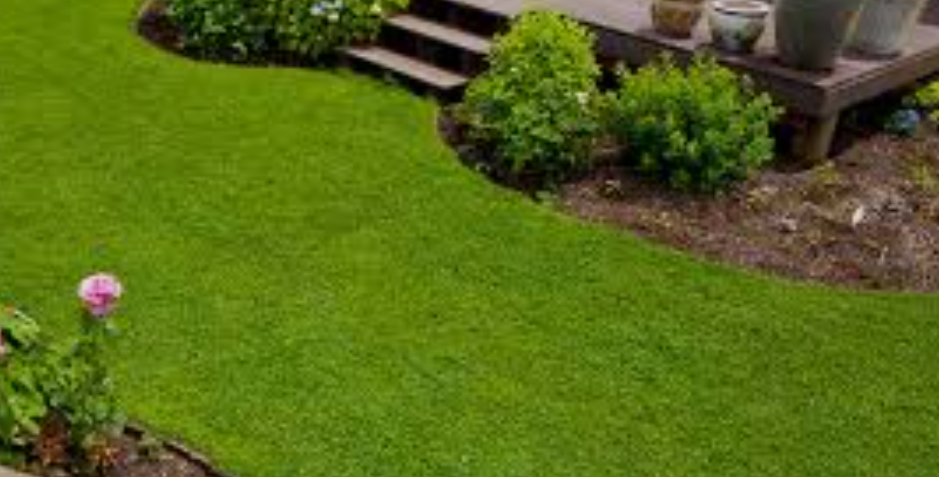
Lawn grasses that do not need mowing are low-growing plants that naturally stay short instead of growing tall like traditional turf grass. These grasses spread slowly along the ground, forming a neat and even surface without requiring frequent cutting. They are popular for people who want attractive lawns with less maintenance.
Many of these grasses grow horizontally rather than vertically. Instead of producing long blades that quickly become overgrown, they create dense mats that cover the soil evenly. This growth habit helps suppress weeds and keeps the lawn looking tidy throughout the year.
Low-mowing or no-mow lawns are often more environmentally friendly. Because they require less trimming, they reduce fuel use, noise, and air pollution from lawn equipment. They also usually need less water and fertilizer compared to traditional grass lawns.
These grasses are well suited to areas where regular mowing is difficult, such as slopes, large landscapes, or low-traffic spaces. Some varieties also tolerate drought, shade, or poor soil conditions, making them practical choices for different climates and garden styles.
Lawn Grasses That Don’t Need Mowing
Hard Fescue
Hard fescue is a fine-textured, slow-growing grass that typically reaches only 6-12 inches tall and can be left unmowed for a natural meadow appearance. This bunch-type grass grows in dense tufts with thin, needle-like blades that create attractive texture without frequent cutting.
Hard fescue tolerates drought, shade, and poor soils exceptionally well, and when used as a no-mow lawn, it only requires one or two cuttings per year to maintain a tidy appearance, making it ideal for low-maintenance landscapes and naturalized areas.
Sheep Fescue
Sheep fescue is an extremely low-growing fine fescue that naturally stays 4-8 inches tall, creating dense, fine-textured turf without mowing. This bunch grass forms tight clumps with very fine, blue-green to gray-green blades that require minimal maintenance.
Sheep fescue thrives in poor, dry soils and full sun to partial shade, and it can be left completely unmowed for a naturalistic look or mowed once or twice annually for a more groomed appearance while still requiring far less maintenance than traditional lawn grasses.
Creeping Red Fescue
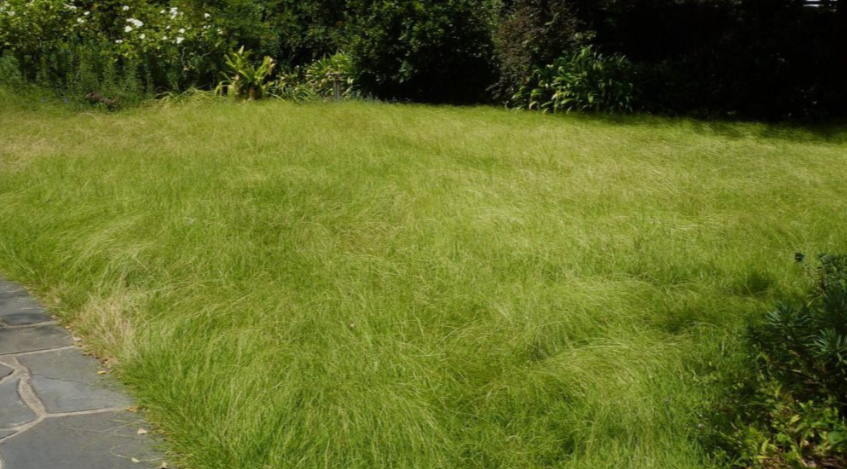
Creeping red fescue can be used as a low-mow lawn when allowed to grow 6-10 inches tall, creating a flowing, meadow-like appearance. This fine-textured grass spreads slowly through rhizomes and tolerates shade exceptionally well while requiring minimal inputs.
When left unmowed, creeping red fescue develops an attractive, undulating texture that moves gracefully in the breeze, and it only needs cutting once or twice per year if a neater appearance is desired, making it excellent for shaded, low-maintenance lawn areas.
Buffalograss
Buffalograss is a native prairie grass that naturally grows only 4-6 inches tall, requiring little to no mowing while tolerating extreme drought and heat. This warm-season grass spreads through stolons to form dense, fine-textured turf with blue-green color.
Buffalograss can be left completely unmowed for a natural prairie look or mowed occasionally for a more traditional lawn appearance, and it requires far less water, fertilizer, and maintenance than conventional turf grasses, making it ideal for sustainable, water-wise landscapes.
Blue Grama Grass
Blue grama is a native prairie grass that stays naturally low at 6-12 inches and creates beautiful, fine-textured turf without frequent mowing. This bunch grass produces distinctive eyebrow-shaped seed heads that add ornamental interest when left unmowed.
Blue grama is extremely drought-tolerant once established and thrives in full sun with minimal water, and while it can be mowed occasionally for a neater appearance, it’s equally attractive left natural as a prairie-style lawn that requires virtually no maintenance.
Sedges (Carex species)
Carex sedges, particularly lawn-substitute species like Carex pansa (California meadow sedge) and Carex praegracilis (clustered field sedge), create grass-like lawns that require no mowing. These grass-like plants naturally stay 4-8 inches tall and spread to form dense, meadow-like groundcover.
Sedge lawns tolerate foot traffic reasonably well, require minimal water once established, and never need mowing, making them increasingly popular no-mow lawn alternatives in water-conscious regions, particularly in California and the Pacific Northwest.
Korean Velvet Grass
Korean velvet grass (Zoysia tenuifolia) is an extremely fine-textured, slow-growing grass that naturally stays 2-4 inches tall without mowing. This warm-season grass creates dense, cushiony mats with an almost moss-like appearance and soft texture.
Korean velvet grass grows so slowly that it rarely requires cutting, and while it doesn’t tolerate heavy traffic, it creates beautiful, low-maintenance groundcover for areas where a manicured, unmowed lawn aesthetic is desired in warm climates.
Eco-Lawn Mixes
Eco-lawn seed mixes combine various fine fescues and other low-growing grasses specifically blended to create low-mow lawns requiring only 3-4 cuttings per year. These mixtures typically include hard fescue, sheep fescue, and creeping red fescue varieties selected for slow growth and low height.
Eco-lawns can be left at 4-6 inches for a natural meadow look or cut occasionally for a more traditional appearance, and they require less water and fertilizer than conventional lawns while providing attractive, environmentally friendly groundcover.
No-Mow Fescue Blends
No-mow fescue blends are specifically formulated mixtures of slow-growing fine fescues that naturally stay low and require minimal cutting. These blends typically grow 6-8 inches tall and develop attractive texture when left unmowed.
The grasses can tolerate light to moderate foot traffic and require only one or two cuttings per year if any maintenance is desired, making them excellent alternatives to high-maintenance traditional lawns while still providing green, grass-like coverage.
Mondo Grass
Mondo grass (Ophiopogon japonicus) is a grass-like perennial that naturally stays 4-8 inches tall and creates dense, dark green groundcover without any mowing. This evergreen plant spreads slowly through rhizomes to form thick mats that suppress weeds.
While not a true grass, mondo grass functions as a no-mow lawn alternative in shaded areas where it thrives with minimal care, never requiring cutting while maintaining consistent, attractive appearance year-round in zones 6-10.
Liriope (Lilyturf)
Liriope is another grass-like perennial that grows 8-12 inches tall and requires zero mowing while providing evergreen groundcover. This tough plant produces arching, grass-like foliage and purple flower spikes in summer.
Liriope tolerates deep shade, drought, and neglect while forming dense mats that prevent weeds, and while slightly taller than ideal for lawn use, it creates attractive, no-maintenance groundcover in areas where traditional grass struggles and mowing is undesired.
Native Shortgrass Prairie Mix
Native shortgrass prairie mixes combine species like buffalograass, blue grama, and other naturally low-growing prairie grasses that evolved to stay short on the Great Plains. These mixtures create authentic prairie landscapes that naturally stay 4-8 inches tall without mowing.
The grasses are extremely drought-tolerant, require no fertilizer or irrigation once established, and provide habitat for native wildlife while creating beautiful, sustainable lawn alternatives that celebrate natural regional vegetation.
Microclover
While not a grass, microclover (Trifolium repens ‘Pirouette’ or similar varieties) is increasingly used as a no-mow lawn alternative or mixed with grass. This miniature clover naturally stays 4-6 inches tall, fixes nitrogen, stays green with minimal water, and requires no mowing.
Microclover tolerates foot traffic well, crowds out weeds, and can be walked on without cutting, though it can be mowed if desired, making it an excellent sustainable lawn alternative that benefits pollinators.
Habiturf
Habiturf is a Texas-developed native grass mixture specifically designed as a low-mow, water-wise lawn alternative for the Southwest. This blend includes buffalograss, blue grama, and curly mesquite that naturally stay low and require minimal maintenance.
Habiturf lawns need only 2-4 mowings per year if any, require little to no supplemental water once established, and provide habitat for beneficial insects while creating attractive, sustainable groundcover perfectly adapted to hot, dry climates.
Bentgrass (Unmowed Varieties)
Certain bentgrass varieties, particularly colonial bentgrass, can be left unmowed at 2-4 inches to create fine-textured, dense lawns with minimal cutting. While creeping bentgrass is typically mowed extremely short on golf courses, colonial types can function as low-mow lawns.
These cool-season grasses create attractive, fine-textured turf that requires less frequent cutting than traditional lawn grasses, though they need more water than drought-tolerant alternatives and work best in cool, humid climates.
Dichondra
Dichondra is a broadleaf groundcover with small, round leaves that creates a dense, low carpet requiring no mowing. This creeping plant stays naturally low at 1-3 inches and spreads to form thick mats that function as grass alternatives.
Dichondra tolerates light foot traffic and thrives in warm climates with adequate moisture, and while not a true grass, it creates beautiful, no-mow lawn alternatives in areas where traditional turf is undesired and a smooth, green carpet effect without cutting is preferred.