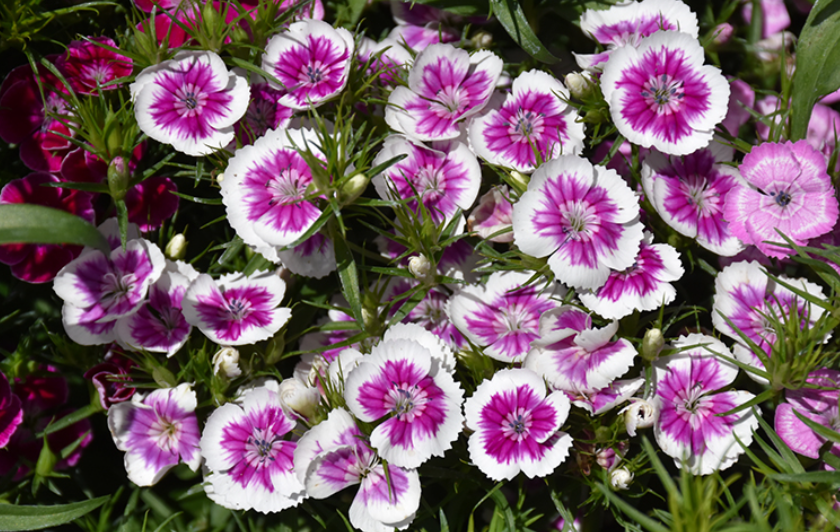
Dianthus barbatus, commonly known as Sweet William, is a charming ornamental flower that belongs to the carnation family. It is widely grown in gardens for its colorful clusters of blossoms and pleasant, spicy fragrance. The plant is especially popular in cottage gardens and decorative borders because of its bright colors and attractive appearance.
Sweet William flowers grow in dense clusters at the top of upright stems, creating a striking display when they bloom. The flowers come in a variety of colors such as red, pink, white, purple, and bi-colored combinations. Many varieties also feature contrasting centers or patterns, which add extra visual interest to garden beds.
This plant is usually grown as a biennial, meaning it typically completes its life cycle in two years. During the first year, the plant mainly develops its leafy growth and root system. In the second year, it produces beautiful flowers during late spring and early summer before setting seeds.
Sweet William thrives best in full sun and well-drained soil, although it can tolerate partial shade. It prefers soil that is neutral to slightly alkaline and rich in organic matter. With proper conditions, the plants grow strong stems and produce abundant clusters of vibrant flowers.
These flowers are also known for attracting pollinators such as bees and butterflies. Their bright colors and mild fragrance make them appealing to beneficial insects, which can help support a healthy garden ecosystem.
Gardeners appreciate Sweet William for its low-maintenance nature. Once established, the plants require only moderate watering and occasional deadheading to encourage more blooms. They are also relatively hardy and can adapt to different garden environments.
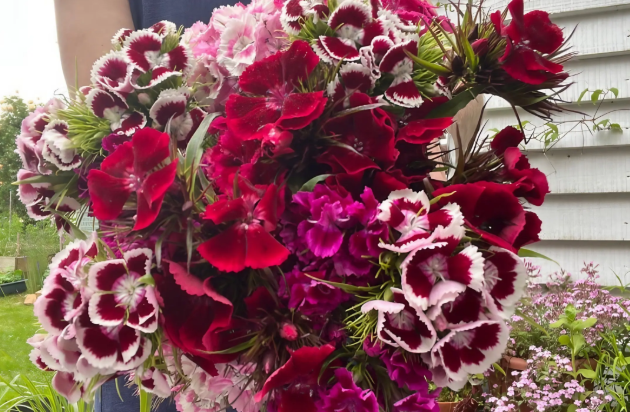
In addition to their beauty in the garden, Sweet William flowers are often used as cut flowers in bouquets and floral arrangements. Their long-lasting blooms and bright colors make them ideal for decorating indoor spaces as well as outdoor landscapes.
Growing Sweet William From Seeds
Choose High-Quality Seeds
Start by purchasing fresh, high-quality Sweet William seeds from a reliable garden supplier. Good seeds have higher germination rates and produce healthier plants. You can also collect seeds from mature flowers in an existing garden.
Select the Right Planting Time
Sweet William seeds can be started indoors in early spring or sown outdoors in late spring or early summer. Since the plant is usually biennial, sowing seeds early allows plants to establish before flowering the following season.
Prepare Suitable Soil
These plants prefer well-drained, fertile soil with a neutral to slightly alkaline pH. Before planting, loosen the soil and mix in compost or organic matter to improve drainage and provide nutrients for young seedlings.
Choose a Sunny Location
Sweet William grows best in full sun, although it can tolerate partial shade. A location that receives at least 6 hours of sunlight daily will help the plants produce strong stems and vibrant flowers.
Sow Seeds at the Correct Depth
Sweet William seeds are small and should be sown very shallowly. Scatter them lightly on the soil surface and cover them with a thin layer of soil—about 1–2 mm deep—since they need some light to germinate.
Space Seeds Properly
When sowing outdoors, leave about 15–30 cm (6–12 inches) between plants. Proper spacing allows good air circulation, reduces disease risk, and ensures the plants have enough room to grow.
Water Gently After Planting
After sowing, water the soil gently to keep it evenly moist but not soggy. Using a watering can with a fine spray helps prevent washing the tiny seeds away.
Maintain Moisture During Germination
Seeds usually germinate within 7–14 days under the right conditions. During this time, keep the soil consistently moist but avoid overwatering, which can cause seeds to rot.
Provide Warm Temperatures
Sweet William seeds germinate best in temperatures around 18–21°C (65–70°F). If starting indoors, placing seed trays in a warm area or near a sunny window helps improve germination success.
Thin the Seedlings
Once the seedlings grow a few true leaves, thin them out so that the strongest plants remain. This prevents overcrowding and allows each plant to develop strong roots and stems.
Transplant Seedlings Carefully
If seeds were started indoors, transplant seedlings into the garden once they are strong and the risk of frost has passed. Handle the roots gently and plant them at the same depth they grew in the containers.
Apply Light Fertilizer
After seedlings are established, feed them with a balanced garden fertilizer or compost. Avoid excessive fertilization because too much nitrogen can produce leafy growth with fewer flowers.
Mulch and Control Weeds
Adding a thin layer of organic mulch helps retain soil moisture and suppress weeds. Keeping the area weed-free ensures the young plants do not compete for nutrients and water.
Deadhead and Allow Some Flowers to Seed
After the plants begin flowering, remove faded blooms to encourage more flowers. If you want the plants to self-seed for the next season, allow some flower heads to mature and drop seeds naturally.