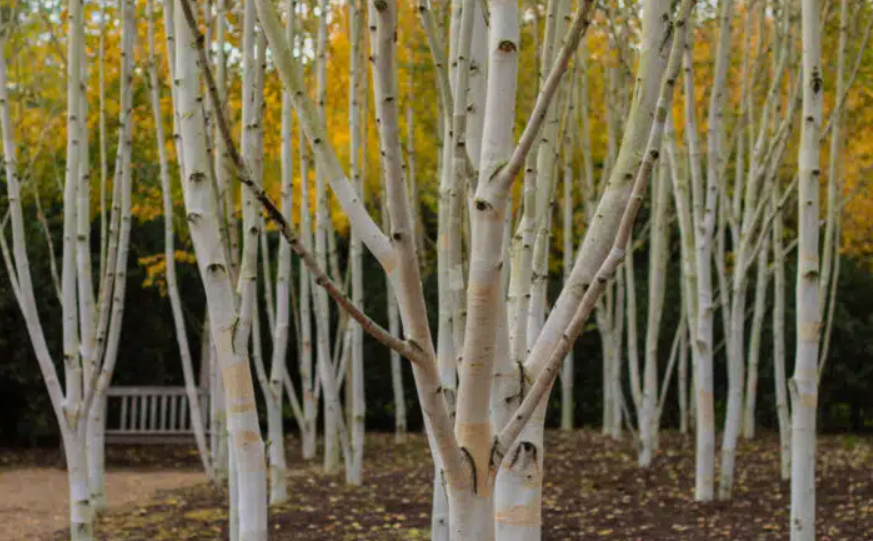
Botanical Classification
The Himalayan birch belongs to the genus Betula, which is part of the family Betulaceae. Its scientific name is Betula utilis, and it is commonly known as the Himalayan birch or Bhojpatra tree. This species is classified within the order Fagales, which includes several important tree families such as oaks and beeches.
Like other birches, it is a deciduous tree, meaning it sheds its leaves annually. The Himalayan birch is closely related to other birch species found across Europe, Asia, and North America, but it is specially adapted to high-altitude environments. Its bark, which peels in thin papery layers, historically made it a culturally important tree in parts of Asia.
Description / Characteristics
The Himalayan birch is a medium-sized deciduous tree that typically grows between 10 and 20 meters tall, though some specimens may grow even taller under favorable conditions. One of its most recognizable features is its smooth, white to coppery bark that peels off in thin sheets.
These papery layers were traditionally used as writing material in ancient times. The leaves are oval or slightly heart-shaped with serrated edges and turn yellow during autumn before falling. In spring, the tree produces slender flower clusters known as catkins, which are characteristic of birch trees. The tree’s overall form is slender with a relatively open crown, allowing it to withstand strong mountain winds.
Distribution & Habitat
The Himalayan birch is native to the mountainous regions of Asia, particularly along the Himalayan range. It is widely found in countries such as India, Nepal, Bhutan, Pakistan, and China. This species typically grows at high altitudes, usually between 3,000 and 4,500 meters above sea level, often forming the uppermost tree line before alpine meadows begin.
It thrives in cool climates with well-drained soils and is commonly found on mountain slopes, valleys, and near glaciers. Because of its ability to tolerate cold temperatures and harsh winds, the Himalayan birch plays an important ecological role in stabilizing soil and supporting mountain ecosystems in the Himalayan Mountains.
Conservation
The Himalayan birch (Betula utilis) faces several conservation concerns in parts of its native range due to overharvesting, habitat loss, and climate change. In some regions of the Himalayan Mountains, the tree has been heavily exploited for its bark and wood, which has reduced natural populations.
The thin bark, historically used for writing and religious purposes, was often removed in large quantities, sometimes damaging or killing the trees. In addition, grazing, deforestation, and expanding human settlements have affected its natural habitat.
Conservation efforts in countries such as India and Nepal include protecting high-altitude forests, promoting sustainable harvesting practices, and encouraging reforestation programs to maintain healthy populations of this important mountain species.
Uses
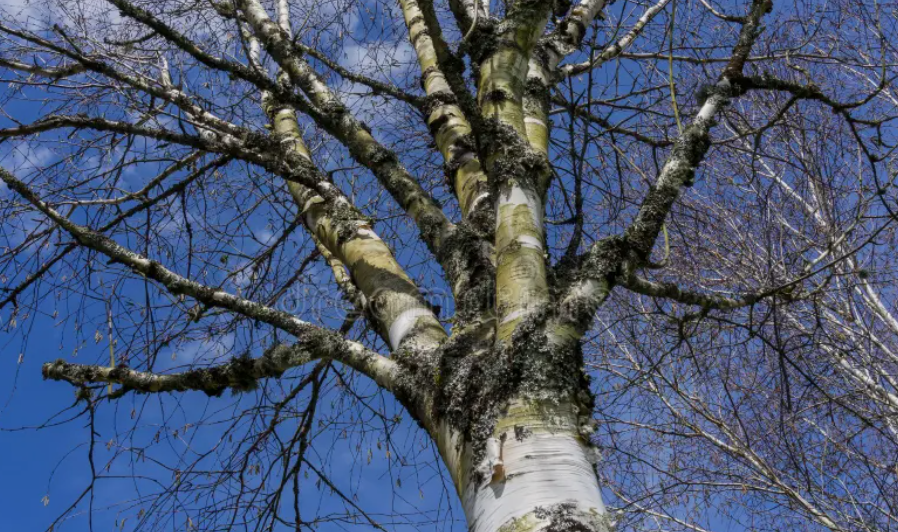
The Himalayan birch has long been valued for cultural, practical, and ecological purposes. Historically, the bark of Betula utilis, known as “Bhojpatra,” was used as a writing surface for ancient manuscripts before the widespread use of paper. In traditional practices in regions of India and Nepal, the bark has also been used in religious rituals and decorative crafts.
The wood, although not extremely strong, is sometimes used for making small household items, tools, and fuel. In addition, the tree plays an ecological role in stabilizing mountain soils and supporting wildlife in high-altitude forests. Because of its attractive white bark and graceful form, the Himalayan birch is also occasionally planted as an ornamental tree in cooler climates.
Varieties and Cultivars
Several natural varieties and cultivated forms of Himalayan birch are recognized, mainly distinguished by differences in bark color, growth habit, and climate tolerance. One commonly known variety is Betula utilis var. jacquemontii, which is particularly admired for its striking, bright white bark and is widely planted in ornamental landscapes.
Another form, Betula utilis var. utilis, represents the typical Himalayan birch found in wild mountain forests. Cultivated selections of the tree are often grown in parks and gardens because of their decorative bark and elegant appearance. These cultivars are especially popular in temperate regions where gardeners value trees that provide winter interest through their distinctive bark and delicate branching structure.
USDA Zones
The Himalayan birch (Betula utilis) is well adapted to cool and temperate climates and generally grows best in USDA Hardiness Zones 4–7. These zones represent regions with cold winters and moderate summers, conditions similar to those found in its native high-altitude habitats.
The tree is highly tolerant of frost and cold temperatures, which allows it to survive harsh winters. However, it may struggle in areas with extremely hot and humid summers, where heat stress and pests can affect its growth.
Within its suitable zones, the Himalayan birch prefers well-drained soils and locations with full sun to partial shade. It performs particularly well in cooler mountainous or northern regions where temperatures remain moderate during the growing season.
Gardeners often plant it in landscapes where its distinctive white bark can be appreciated throughout the year. Proper watering, mulching, and protection from prolonged heat can help the tree thrive when grown outside its natural range.