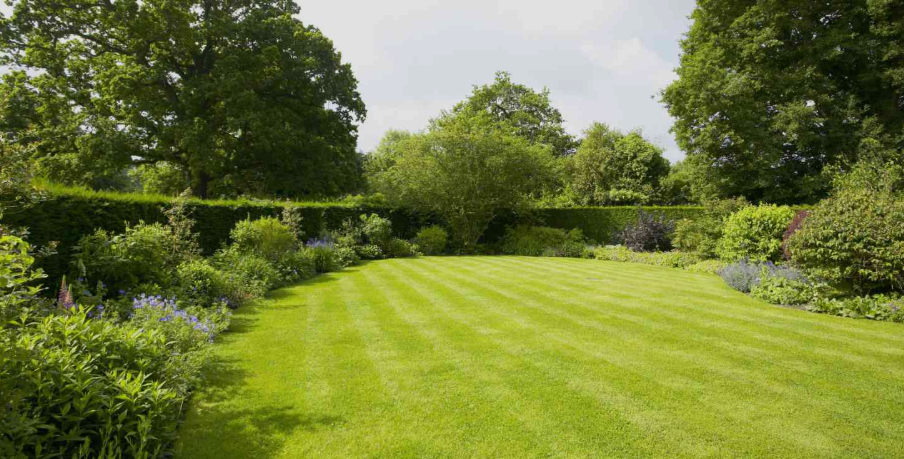
Grass that survives in shade is adapted to grow with limited sunlight, making it suitable for areas beneath trees or beside buildings. Instead of relying on intense sun exposure, it uses available light efficiently to maintain growth and color. This allows shaded lawns to remain attractive where full sun is not possible.
Shaded environments often have cooler temperatures and higher moisture levels, which influence how grass grows. In these conditions, growth tends to be slower but steadier, reducing stress caused by heat. Proper air circulation is important, as damp shade can sometimes encourage disease if conditions stay overly wet.
Soil quality plays a major role in shaded lawn success. Because tree roots and structures may compete for nutrients and water, the soil should be rich and well-drained. Improving soil structure helps roots spread more easily and supports healthier growth despite limited light.
Maintenance practices must be adjusted in shaded areas. Grass in low light benefits from higher mowing heights, which increase leaf surface area for capturing light. Careful watering is also important, as shaded lawns typically need less frequent irrigation than sunny ones.
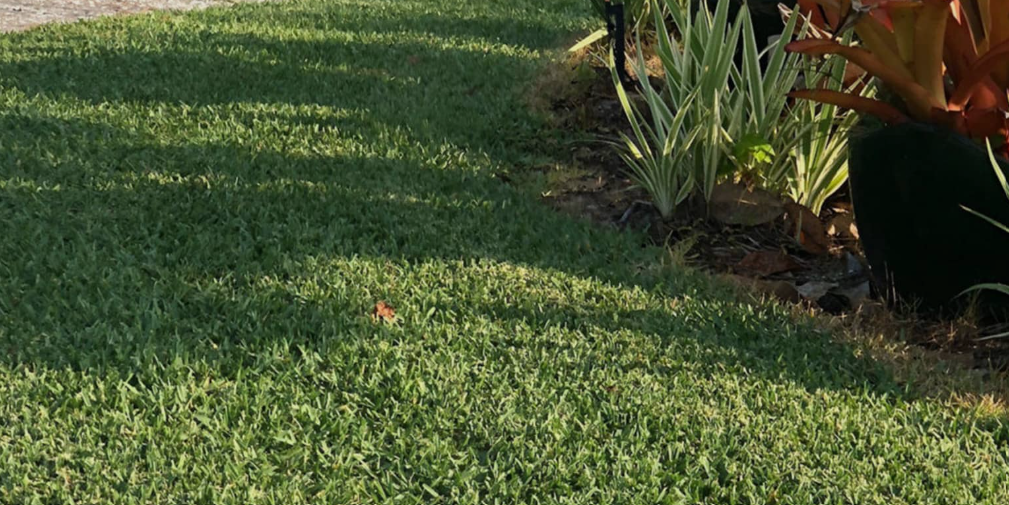
Grow In Shady Areas
Fine Fescue
Fine fescue is widely regarded as the most shade-tolerant grass available, making it the top choice for lawns under dense tree canopies or along shaded building sides. This group includes several species like creeping red, chewing, hard, and sheep fescues, all sharing fine-textured blades and minimal maintenance requirements.
Fine fescue thrives in areas receiving as little as three to four hours of dappled sunlight daily and requires less water and fertilizer than most lawn grasses, creating a soft, carpet-like appearance even in challenging low-light conditions.
Rough Bluegrass
Rough bluegrass, also known as Poa trivialis, excels in cool, moist, shaded areas where other grasses struggle to establish. This fine-textured, light green grass tolerates shade better than its cousin Kentucky bluegrass and spreads through stolons to create dense coverage.
It performs exceptionally well in shaded areas with consistent moisture but may struggle in dry shade or full sun, making it ideal for wet, shaded spots under trees or along north-facing walls where few other grasses will grow.
St. Augustine Grass
St. Augustine grass is the most shade-tolerant warm-season grass, capable of surviving with only four to five hours of filtered sunlight in southern and coastal regions. This coarse-textured, blue-green grass spreads aggressively through stolons and adapts well to the challenging conditions under oak trees and along shaded fences.
While it won’t thrive in deep shade like fine fescue, St. Augustine significantly outperforms bermudagrass and zoysia in partial shade situations common in subtropical landscapes.
Tall Fescue
Tall fescue demonstrates impressive shade tolerance for a versatile cool-season grass, performing adequately with four to five hours of sunlight daily. Its deep root system allows it to access moisture and nutrients even in competitive environments under trees where surface roots dominate.
Modern turf-type tall fescue varieties have been bred for improved shade performance and finer texture while maintaining the species’ renowned adaptability to various light conditions, from full sun to moderate shade.
Creeping Red Fescue
Creeping red fescue is a specific type of fine fescue that spreads through rhizomes, making it particularly effective at filling in bare spots in shaded areas. This grass tolerates dense shade exceptionally well and maintains its attractive dark green color even under challenging light conditions.
It’s commonly used in shade mixtures with other fescues and bluegrasses, providing excellent coverage under trees while requiring minimal mowing and fertilization compared to sun-loving grass varieties.
Zoysia Grass
Zoysia grass, while primarily known as a sun-loving warm-season variety, demonstrates moderate shade tolerance that surpasses most other warm-season grasses except St. Augustine. It can survive with four to six hours of sunlight daily, though growth will be slower and less dense than in full sun.
Certain cultivars like Emerald and Geo zoysia have been specifically selected for improved shade performance, making them viable options for warm-climate lawns with partial shade from buildings or scattered trees.
Chewing Fescue
Chewing fescue is a non-spreading fine fescue variety that forms dense tufts and excels in dry, shaded conditions where other grasses fail. This low-maintenance grass requires minimal fertilization and mowing, tolerating neglect better than most alternatives while maintaining acceptable appearance in shade.
Its bunching growth habit creates a uniform lawn texture in shaded areas, and it’s often blended with other fine fescues to create shade-tolerant seed mixes for northern lawns.
Velvet Bentgrass
Velvet bentgrass is a fine-textured, high-maintenance grass that tolerates moderate shade better than other bentgrass species, though it’s less shade-tolerant than fescues. This cool-season grass creates an exceptionally dense, luxurious turf with a velvety appearance when properly maintained.
While it requires more care including frequent mowing and consistent moisture, velvet bentgrass can perform adequately in partial shade situations, particularly in cool, humid climates where it naturally thrives.
Red Fescue (Strong Creeping)
Strong creeping red fescue is a vigorous variety that spreads more aggressively than standard creeping red fescue, making it excellent for establishing shade lawns quickly. This grass tolerates deep shade and acidic soil conditions often found under pine and oak trees where other grasses struggle. Its robust rhizomatous growth helps it compete with tree roots for resources while maintaining density, and it blends well with other shade-tolerant grasses in mixed-seed formulations.
Hard Fescue
Hard fescue is the most drought-tolerant of the fine fescues while maintaining excellent shade tolerance, making it ideal for dry shade conditions under mature trees. This bunch-type grass forms a deep root system that allows it to survive with minimal irrigation once established.
Hard fescue’s dark green color and dense growth habit create an attractive low-maintenance lawn in shaded areas, and it demonstrates superior heat tolerance compared to other fine fescue varieties.
Centipede Grass
Centipede grass is a low-maintenance warm-season grass that tolerates partial shade better than bermudagrass, though it prefers at least five to six hours of sunlight.
This slow-growing, apple-green grass requires minimal fertilization and mowing, making it popular in the southeastern United States. While not as shade-tolerant as St. Augustine, centipede grass can survive in areas with light to moderate shade, particularly when competing tree roots are managed and soil acidity is maintained.
Supina Bluegrass
Supina bluegrass is a relatively new introduction to the turfgrass market that demonstrates impressive shade tolerance for a bluegrass species. This fine-textured grass can survive with significantly less light than Kentucky bluegrass while maintaining good density and color.
Supina bluegrass spreads through stolons and rhizomes, creating a self-repairing turf that recovers well from damage, and it’s increasingly being included in shade-tolerant seed mixtures for cool-season lawns that need the durability bluegrass provides.