Oklahoma has a diverse climate, influenced by both its location in the central United States and its varying topography. Summers are generally hot and humid, with temperatures often rising above 90°F (32°C), while winters can be cold, occasionally dropping below 20°F (−6°C) in northern regions. The state also experiences a mix of rainfall patterns, with central and eastern areas receiving more precipitation than the western plains. Thunderstorms are common in spring and early summer, and tornadoes are a notable risk, particularly in the central part of the state.
Growing grapes in Oklahoma can be both challenging and rewarding. The state’s hot summers provide the long growing season that many grape varieties need to ripen fully, while the cold winters can damage more sensitive grapevines if not properly protected. Choosing hardy grape varieties and planting on slopes or in well-draining soils helps reduce frost risk and supports vine health. Some vineyards also use protective practices, like covering young vines or using windbreaks, to shield plants from harsh weather.
Oklahoma’s soil varies from sandy loam in the west to clay-rich soils in the east, which affects which grape varieties thrive. Grapes generally prefer slightly acidic, well-drained soils, so soil testing and amendments are often necessary for optimal growth. Irrigation may also be needed during dry spells, especially in western Oklahoma, to maintain consistent moisture without waterlogging the roots. Site selection is critical: south-facing slopes are preferred because they capture maximum sunlight, which helps grapes fully develop their sugars and flavors.
Despite the challenges, Oklahoma has a growing wine industry. Native American tribes and local farmers have experimented with cold-hardy grape varieties, like Norton and Chambourcin, that tolerate the winter temperatures. Hybrid grapes, which combine European wine grape qualities with American hardiness, are also popular.
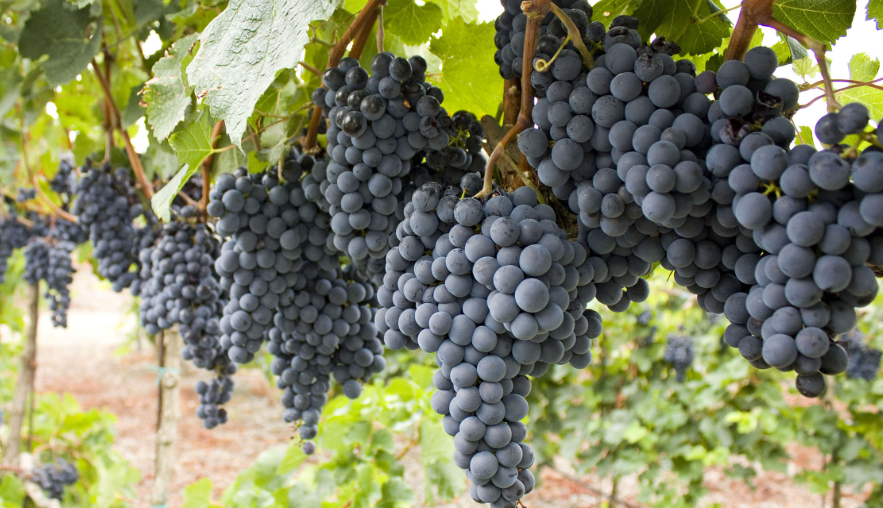
Best Grapes to Grow in Oklahoma
Norton (Cynthiana)
Often referred to as the “Cabernet of the Woods,” Norton is a native American grape that is exceptionally well-suited for Oklahoma. It is highly resistant to common diseases like powdery mildew and black rot, which can be problematic in humid areas. This grape produces a rich, full-bodied red wine with deep color and high antioxidant content, making it a staple for regional viticulture.
Chambourcin
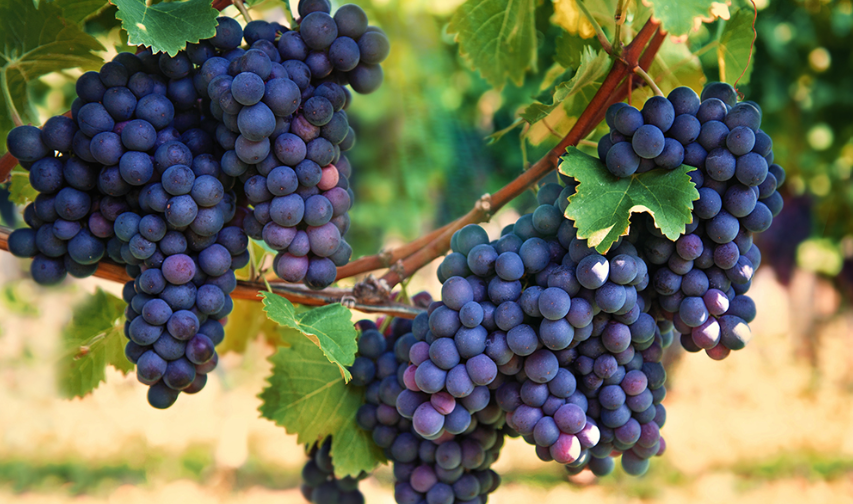
Chambourcin is a French-American hybrid that has gained popularity in Oklahoma due to its excellent fungal resistance and reliable productivity. It produces large clusters of blue-black grapes that result in a dry, medium-bodied red wine with earthy notes and a smooth finish. Its ability to withstand the late spring frosts often seen in the plains makes it a dependable choice for local growers.
Traminette
A hybrid of the famous Gewürztraminer, Traminette was specifically bred for better cold hardiness and disease resistance while maintaining floral aromatics. In Oklahoma, it thrives by producing white wines with distinct spicy and floral notes, similar to its parentage. It is particularly valued for its ability to maintain good acidity even during the intense heat of an Oklahoma summer.
Chardonel
Chardonel is a cross between Chardonnay and Seyval Blanc, designed to offer the classic flavor profile of Chardonnay with the hardiness of a hybrid. It performs well in Oklahoma’s varied soils and produces high-quality white wine that can be aged in oak or finished in stainless steel. It is more resistant to the extreme temperature fluctuations of the region than traditional European varieties.
Cabernet Sauvignon
While it requires careful site selection and management, Cabernet Sauvignon can thrive in Oklahoma’s long growing season. The heat of the region helps ripen the tannins effectively, though growers must be vigilant against Pierce’s Disease in the southern parts of the state. When successful, Oklahoma Cabernet Sauvignon offers bold fruit flavors and excellent structure.
Merlot
Merlot is often used in Oklahoma both as a varietal and in blends to soften more aggressive red grapes. It tends to ripen earlier than Cabernet Sauvignon, which can be an advantage in avoiding late-season weather risks. It prefers well-drained soils and responds well to the intense sunlight of the southern plains, producing plush, fruit-forward wines.
Tempranillo
Given Oklahoma’s climatic similarities to parts of Spain, Tempranillo is becoming an increasingly popular choice for local vineyards. It handles the summer heat exceptionally well and produces deeply colored red wines with notes of leather and cherry. Its early ripening nature helps it avoid the most severe heat stress of late August.
Viognier
Viognier is a white grape that loves the sun, making it a natural fit for the Oklahoma landscape. It produces highly aromatic wines with scents of honeysuckle and apricot. While it can be sensitive to cold winters, the heat-loving nature of the vine allows it to develop the full sugar levels and complex flavors that the variety is known for.
Seyval Blanc
Seyval Blanc is a productive hybrid that is often used for sparkling wine production or crisp, dry whites in Oklahoma. It is known for its high yields and relative ease of growth, making it a favorite for commercial growers. The grape’s natural acidity provides a refreshing counterpoint to the heavy, humid air characteristic of Oklahoma’s eastern summers.
Vidal Blanc
Another robust hybrid, Vidal Blanc is famous for its thick skins and high sugar potential, which makes it suitable for late-harvest or dessert-style wines in the region. It is very hardy and can withstand the unpredictable winter “blue northers” that sweep across the state. In Oklahoma, it typically produces wines with bright citrus and pineapple characteristics.
Vignoles
Vignoles is highly prized in Oklahoma for its ability to produce versatile white wines ranging from dry to sweet. The vine is cold-hardy and the fruit develops high sugar levels while retaining a crisp acidity. Its compact clusters can be susceptible to bunch rot in very wet years, but in typical Oklahoma seasons, it produces exceptionally floral and tropical wines.
Reliance
Reliance is a seedless table grape that is incredibly popular for home gardens across Oklahoma. It is noted for its extreme cold hardiness and its sweet, pinkish-red fruit that has a melting texture. Because it ripens early, it often escapes the peak of the summer insect pressure, providing a reliable harvest for families.
Mars
Mars is a seedless blue grape that was developed to be exceptionally hardy and disease-resistant. It has a flavor somewhat similar to Concord but with the benefit of being seedless and having a more resilient vine structure for the southern climate. It is a vigorous grower that handles the heavy clay soils found in many parts of Oklahoma quite well.
Jupiter
Jupiter is a seedless table grape that offers a unique Muscat-like flavor profile. It produces large, reddish-blue berries that are firm and crunchy, making them a favorite for fresh eating. The vines are moderately hardy and show good resistance to fruit cracking, which can occur during the sudden heavy rains common in Oklahoma’s spring.
Neptune
Neptune is a white seedless table grape that produces large, beautiful clusters of yellowish-green fruit. It is known for having a pleasant, fruity flavor that is not as “foxy” as some other American varieties. It is particularly resistant to the heat and drought conditions that frequently define the Oklahoma growing season.
Venus
Venus is a blue-black seedless grape that is valued for its early ripening and large berry size. It has a mild Muscat flavor and a very productive growth habit. Its ability to ripen before the most intense heat of August makes it a stable choice for growers who want a high-quality table grape with minimal risk of late-season shrivel.
Edelweiss
Edelweiss is an extremely cold-hardy white grape that was originally developed in the Midwest. In Oklahoma, it is appreciated for its vigorous growth and its ability to produce sweet, light white wines or juice. It should be harvested slightly early in Oklahoma to prevent the “foxy” flavor from becoming too dominant, ensuring a clean and floral finish.
Frontenac
Frontenac is a dark-skinned hybrid known for its incredible cold tolerance and high sugar levels. While Oklahoma doesn’t always need the extreme cold hardiness of the North, Frontenac’s vigor and resistance to common pests make it an easy-to-grow red variety. It is often used to produce port-style wines or deeply colored rosés.
St. Vincent
St. Vincent is a red hybrid grape that is often compared to Italian varieties like Chianti due to its bright acidity and light-to-medium body. It is a late-budding variety, which is a significant advantage in Oklahoma as it frequently avoids the damaging late-spring frosts. It produces a versatile wine that can be crafted into several different styles.
Cayuga White
Cayuga White is a versatile hybrid that can produce everything from dry, Riesling-style wines to sweet dessert wines. It is known for being a very productive and easy-to-manage vine, which is ideal for those new to viticulture in Oklahoma. The grape maintains a clean, fruity profile that is very popular in local tasting rooms.
Niagara
Niagara is the classic American white grape, often used for juices, jellies, and sweet wines. It grows very vigorously in Oklahoma and is known for its strong, pleasant aroma. While it is susceptible to certain fungal issues in high humidity, its sheer productivity and “grapey” flavor make it a sentimental and practical favorite for many Oklahoma homesteads.