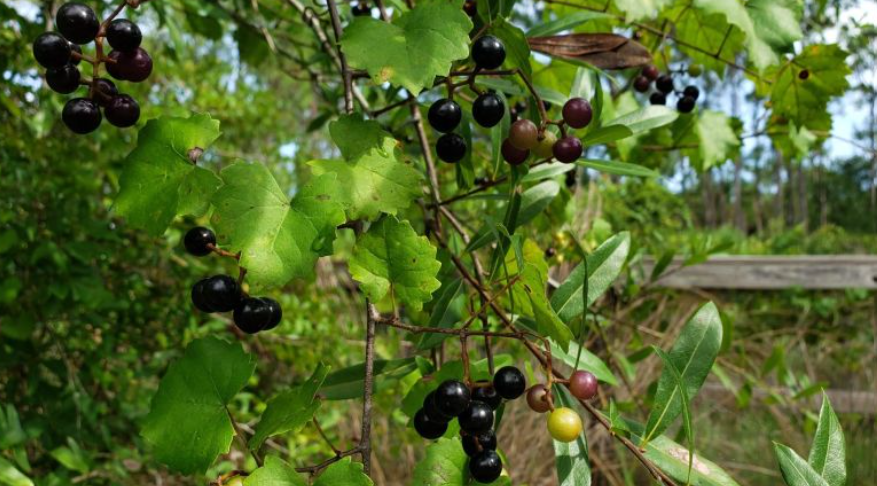
Growing grapes in Florida is unique because the climate is prone to Pierce’s Disease, which kills traditional European Vitis vinifera (like Chardonnay or Cabernet). Therefore, Florida growers focus on Muscadine grapes and specific Pierce’s Disease-resistant hybrids.
Grapes, scientifically classified under the genus Vitis in the family Vitaceae, are widely cultivated fruiting vines known for their sweet berries and diverse uses. They have been grown for thousands of years for fresh eating, juice, raisins, and wine production. Grapevines are perennial climbers that produce clusters of small round fruits, and they thrive in warm climates where they receive plenty of sunlight and good air circulation.
Florida’s warm and humid climate presents both opportunities and challenges for growing grapes. While the state has long growing seasons and abundant sunlight, high humidity and frequent rainfall can encourage plant diseases such as fungal infections. Because of these conditions, not all grape varieties perform well in Florida, and careful selection of adapted types is important for successful cultivation.
Many grapes that grow well in Florida are derived from native American grape species such as Vitis rotundifolia (muscadine grapes). These grapes are naturally adapted to the southeastern United States and are more tolerant of heat, humidity, and common grape diseases. Their thick skins and strong vines help them survive conditions that would stress many traditional grape varieties.
Other grapes suitable for Florida include hybrids developed from American and European grape species like Vitis vinifera. Plant breeders have created varieties that combine the flavor qualities of classic wine grapes with the resilience needed to withstand Florida’s climate. These hybrids are often used for fresh consumption, juice production, and small-scale winemaking.
When growing grapes in Florida, proper site selection is very important. Grapevines prefer well-drained soil, full sun exposure, and good airflow to reduce humidity around the leaves and fruit. Gardeners often train vines on trellises or arbors to keep the fruit off the ground and improve air movement, which helps limit disease problems.
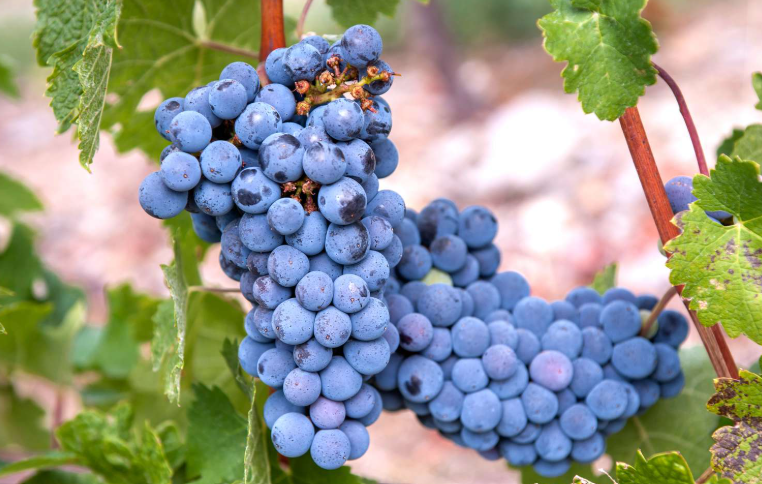
Grapes that Grow Well in Florida
Carlos
The Carlos is a bronze muscadine variety that is a staple for the Florida wine industry. It is highly productive and known for its high sugar content, making it an excellent choice for making sweet white wines or high-quality juices. Because it is self-fertile, it doesn’t require another variety nearby for pollination, making it a favorite for both commercial vineyards and home gardens.
Noble
Noble is the standard black muscadine grape used for red wine and juice production in the Southeast. It is prized for its consistent yields and strong resistance to common Florida pests and diseases. The fruit is relatively small but packed with antioxidants and a deep, rich flavor that holds up well during the fermentation process.
Fry
Fry is often considered the “gold standard” for fresh-eating bronze muscadines. It produces very large, exceptionally sweet fruit with a thin skin compared to other muscadine varieties. However, unlike the Carlos, Fry is a female variety and requires a self-fertile “pollinator” grape nearby to produce fruit.
Summit
Summit is a mid-to-late season bronze muscadine that is highly regarded for its sweetness and relatively thin skin. It is very resistant to fruit rot, which is a common issue in Florida’s high humidity. It is typically used for fresh consumption because of its pleasant texture and high sugar-to-acid ratio.
Higgins
Higgins is an older bronze variety that remains popular due to its large fruit size and unique, slightly spicy flavor profile. While it has a thicker skin than some modern hybrids, many growers prefer it for its hardiness and ability to produce heavy crops year after year in the Florida heat.
Scuppernong
The Scuppernong is the original muscadine grape, named after the Scuppernong River in North Carolina. It is a bronze variety with a distinctively musky, sweet flavor that defines Southern viticulture. It is primarily used for making traditional Southern wines and jams, though many enjoy it fresh off the vine despite its thick skin.
Alachua
Developed by the University of Florida, Alachua is a black muscadine specifically bred for the state’s climate. It is self-fertile and produces uniform, medium-sized fruit with a very high yield. It is popular for home growers because it requires less maintenance than many other varieties while still providing excellent fresh fruit.
Southern Home
Southern Home is a unique interspecific hybrid between a muscadine and a bunch grape. It is easily recognized by its ornamental, “maple-like” deeply lobed leaves. It produces clusters of black fruit that have a crisp texture and a flavor that sits somewhere between a traditional muscadine and a Concord grape.
Ison
Ison is a self-fertile black muscadine known for producing some of the largest clusters in the muscadine world. The fruit is large, very sweet, and has a wonderful aroma. Because it is self-fertile and highly productive, it is often used as a pollinator for female varieties like Fry in commercial setups.
Supreme
If you are looking for the largest muscadine available, Supreme is often the winner. This female black variety produces massive grapes that can be as large as a golf ball. They are incredibly sweet and have a very firm texture, making them a premium “table grape” choice for fresh markets.
Pam
Pam is a bronze muscadine that is famous for its massive cluster size and exceptional sweetness. It is a female variety that produces very large, yellow-gold fruit. It is highly resistant to the typical diseases found in the Florida panhandle and central regions, making it a reliable choice for hobbyists.
Triumph
Triumph is a bronze variety that was bred for improved fruit quality and self-fertility. It has a thinner skin and a drier scar (meaning the grape doesn’t leak as much when picked) than many older varieties. This makes it a great candidate for commercial fresh-fruit packaging where shelf life is a concern.
Cowart
Cowart is a black, self-fertile muscadine that is prized for its excellent flavor and large cluster size. It is one of the more versatile grapes, as it is equally suited for fresh eating, jelly making, or juice production. It is known for having a very consistent yield even in challenging Florida seasons.
Conquistador
Conquistador is a “bunch grape” hybrid specifically developed by the University of Florida to resist Pierce’s Disease. It resembles a Concord grape in appearance and flavor, making it the primary choice for Florida growers who want to make grape jelly or Concord-style red wines.
Stover
Stover is a white bunch grape hybrid that performs well in the Florida climate. It produces clusters of medium-sized, light green grapes that are sweet and have a mild flavor. While it can be eaten fresh, it is most commonly used by Florida wineries to produce dry, crisp white wines.
Blanc Du Bois
Blanc Du Bois is perhaps the most successful bunch grape for Florida winemaking. It is highly resistant to Pierce’s Disease and thrives in the heat and humidity. It produces high-quality white wines with characteristic spicy and floral notes, often compared to Muscat or Riesling.
Blue Lake
Blue Lake is a blue bunch grape hybrid that is exceptionally resistant to the diseases that typically plague Florida vineyards. It is primarily used for making jellies and juices because of its tart, robust flavor. It is a vigorous grower and can quickly cover a trellis or arbor in a single season.
Daytona
Daytona is a pink-to-red bunch grape hybrid bred for the fresh market. It is specifically designed to withstand the heat of Central and South Florida. The fruit is sweet with a mild flavor and a texture that is closer to the table grapes found in grocery stores than the typical muscadine.