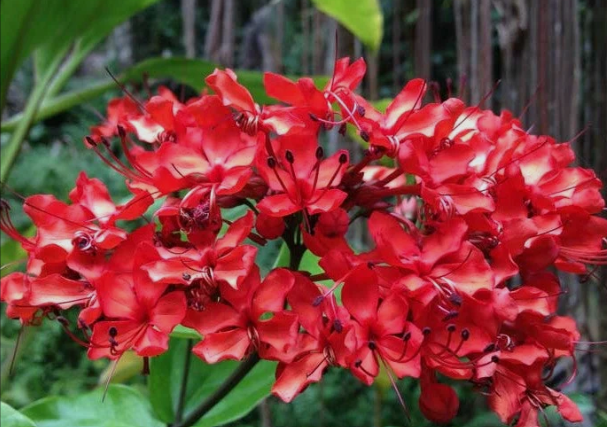
Botanical Classification
Glorybower refers to plants in the genus Clerodendrum, which belongs to the family Lamiaceae (the mint family). This genus includes hundreds of species of shrubs, vines, and small trees known for their striking flowers and ornamental value.
One commonly cultivated species is Clerodendrum thomsoniae, often called bleeding-heart vine. The genus is part of the order Lamiales, which contains many aromatic and flowering plants. Glorybower species are popular in tropical and subtropical horticulture due to their decorative foliage and unique floral displays.
Description / Characteristics
Plants in the Clerodendrum genus vary widely in form, ranging from shrubs and small trees to climbing vines. Many species grow between 1–4 meters (3–13 feet) tall, though climbing varieties can grow longer when supported. The leaves are usually broad, soft-textured, and bright to deep green, often arranged oppositely on the stems.
The most distinctive feature is the showy flower clusters, which often combine contrasting colors such as white, red, pink, purple, or blue. In some species, the flowers are followed by colorful berries surrounded by decorative calyces, adding to the plant’s ornamental appeal. Many glorybower species also produce mildly fragrant flowers that attract butterflies and other pollinators.
Distribution & Habitat
Species of Clerodendrum are widely distributed in tropical and subtropical regions of the world. Many originate from parts of Africa and Asia, while others occur naturally in Australia and tropical areas of the Americas.
These plants typically grow in forest edges, open woodlands, riverbanks, and disturbed habitats, where they receive partial to full sunlight and well-drained soils. Because of their attractive flowers and adaptability, many species have been introduced into gardens and landscapes around the world, especially in warm climates.
Conservation
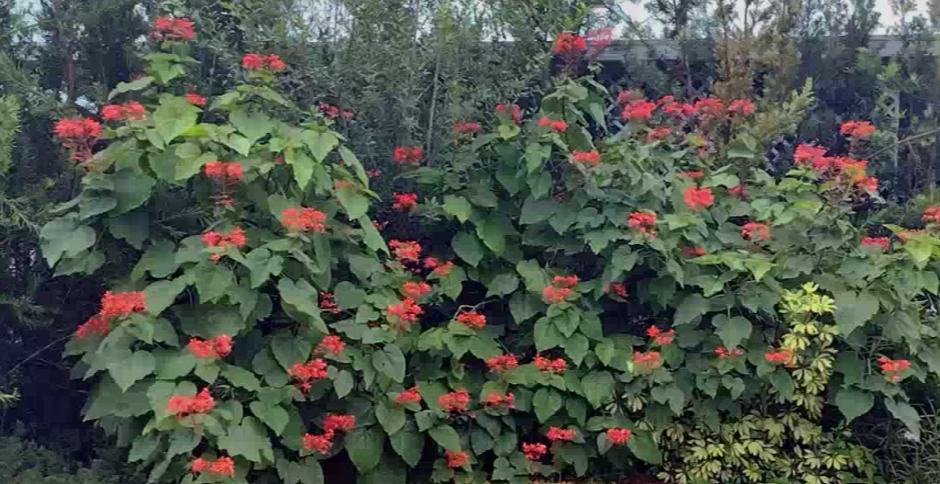
Most glorybower species in the genus Clerodendrum are not considered endangered, especially because many are widely cultivated as ornamental plants in tropical and subtropical regions. However, some wild species may face localized threats such as habitat loss from deforestation or land conversion in parts of Africa and Asia.
Conservation efforts generally focus on protecting natural habitats and maintaining plant diversity in botanical gardens and horticultural collections. Because these plants reproduce easily through cuttings and seeds, they are commonly preserved in cultivation.
Uses
Glorybower plants are mainly grown as ornamental shrubs or climbers due to their striking flower clusters and attractive foliage. They are commonly planted in gardens, along fences, on trellises, or as decorative hedges. Some species attract butterflies and other pollinators, making them useful in wildlife gardens.
In traditional practices across parts of Africa and Asia, certain species have been used in herbal medicine to treat minor ailments such as inflammation or skin conditions, though such uses vary by culture. The plants also provide visual interest in landscaping due to their colorful flowers and sometimes ornamental berries.
Varieties and Cultivars
Several species and cultivars of Clerodendrum are popular in horticulture for their unique flowers and growth habits:
- Clerodendrum thomsoniae – Known as the bleeding-heart vine, featuring white bracts with bright red flowers.
- Clerodendrum trichotomum – Often called the harlequin glorybower, valued for fragrant white flowers and blue berries.
- Clerodendrum paniculatum – Known as the pagoda flower, producing large pyramidal clusters of orange-red blooms.
- Clerodendrum splendens – A vigorous climbing species with bright red flower clusters.
- Clerodendrum ‘Prospero’ – An ornamental hybrid noted for abundant flowering and compact growth.
These varieties differ in flower color, growth form, and size, allowing gardeners to choose the type that best fits their landscape design or garden space.
Growth Rate
Glorybower plants in the genus Clerodendrum generally have a moderate to fast growth rate, depending on the species and growing conditions. Many species can grow about 30–60 centimeters (1–2 feet) per year when planted in warm climates with fertile soil and adequate moisture.
Climbing varieties, such as Clerodendrum thomsoniae, may grow even faster when supported by trellises or fences. Regular pruning helps control their size and encourages fuller growth and more abundant flowering.
USDA Zones
Most glorybower species thrive in USDA Hardiness Zones 9–11, which correspond to warm tropical and subtropical climates. In cooler regions, some species can survive in Zone 8 if protected from frost or grown in containers that can be moved indoors during winter. These plants prefer full sun to partial shade, warm temperatures, and well-drained soil rich in organic matter.
Problems
Glorybower plants are generally hardy but may face several common gardening issues:
- Pests: Aphids, whiteflies, spider mites, and scale insects can infest the leaves or stems.
- Fungal diseases: Leaf spot, mildew, or root rot may occur if the soil remains too wet or if air circulation is poor.
- Invasive spreading: Some species, particularly Clerodendrum trichotomum, can spread by suckers and become aggressive in certain regions.
- Cold damage: Frost or prolonged cold temperatures may damage leaves or stems in climates outside their preferred range.
How to grow and care for Glorybower (Clerodendrum)
- Sunlight – Glorybower plants grow best in full sun to partial shade. At least 4–6 hours of sunlight per day encourages strong growth and abundant flowering. In very hot climates, light afternoon shade can help prevent leaf scorch.
- Soil Requirements – Plant glorybower in well-drained, fertile soil rich in organic matter. The soil should retain some moisture but not become waterlogged. A slightly acidic to neutral soil pH (about 6.0–7.0) works well for most species.
- Watering – Water regularly to keep the soil evenly moist, especially during the growing season. Avoid overwatering, as soggy soil can lead to root rot. Mulching around the base helps retain moisture and regulate soil temperature.
- Fertilization – Feed the plant every 4–6 weeks during the growing season with a balanced fertilizer. Organic compost or slow-release fertilizer can also help maintain healthy foliage and promote better flowering.
- Pruning and Training – Prune lightly after flowering to maintain the plant’s shape and encourage bushier growth. Climbing species may need support such as trellises, fences, or stakes to guide their growth and keep them tidy.
- Pest and Disease Management – Monitor for common pests such as aphids, whiteflies, spider mites, and scale insects. Treat infestations with insecticidal soap or neem oil if necessary. Ensure good air circulation and proper drainage to prevent fungal diseases.