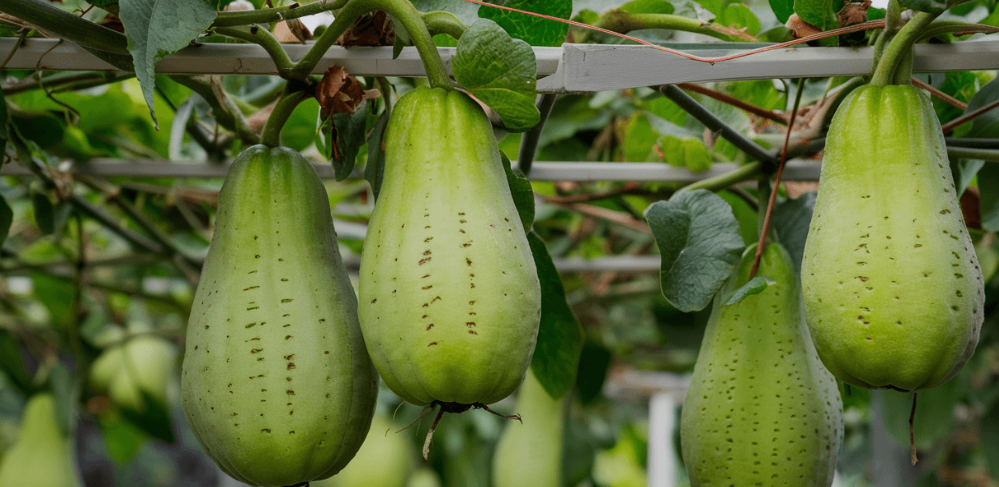
Fruits that grow on vines are produced by plants with long, flexible stems that spread along the ground or climb on supports such as trellises, fences, or trees. These plants use tendrils or twisting stems to hold onto structures, helping them reach sunlight more easily. Vine-growing fruits are common in both gardens and farms around the world.
Many vine fruits grow best in warm, sunny conditions where they have enough space to spread. Because vines can grow quickly, gardeners often train them upward to save space and improve air circulation. This also helps keep the fruits clean and reduces the risk of pests and diseases.
Vine fruits often develop large, juicy, or sweet produce because the plants can spread their leaves widely and capture plenty of sunlight for energy. Some vines produce small clustered fruits, while others grow large fruits that rest on the ground as they mature.
These plants usually need support, regular watering, and nutrient-rich soil to grow well. Proper care, including pruning and guiding the vines, encourages better fruit production and healthier plants throughout the growing season.
Fruits that Grow on Vines
Grapes
Grapes are the quintessential vine fruit, growing on woody perennial vines that can live for decades and produce abundant clusters. These climbing vines are cultivated worldwide for fresh eating, wine production, raisins, and juice.
Grapes require trellising or support structures and produce fruit on one-year-old wood, with varieties ranging from sweet table grapes to complex wine varieties, and they’re among humanity’s oldest cultivated vine fruits.
Kiwifruit
Kiwifruit grows on vigorous, woody vines that can reach 30+ feet and require sturdy support structures like arbors or trellises. These fuzzy brown fruits contain bright green or golden flesh with distinctive flavor and high vitamin C content.
Kiwi vines are dioecious, requiring both male and female plants for fruit production, and they’re cold-hardy to varying degrees depending on variety, with fuzzy kiwis and hardy kiwis (kiwiberries) offering options for different climates.
Passion Fruit
Passion fruit vines are fast-growing tropical climbers that produce spectacular flowers followed by aromatic purple or yellow fruits. These vigorous vines can grow 15-20 feet in a single season and produce egg-sized fruits filled with sweet-tart pulp and edible seeds.
Passion fruit vines thrive in warm climates, often fruiting within a year of planting, and they’re valued for both their ornamental flowers and delicious fruits used in juices, desserts, and cocktails.
Watermelon
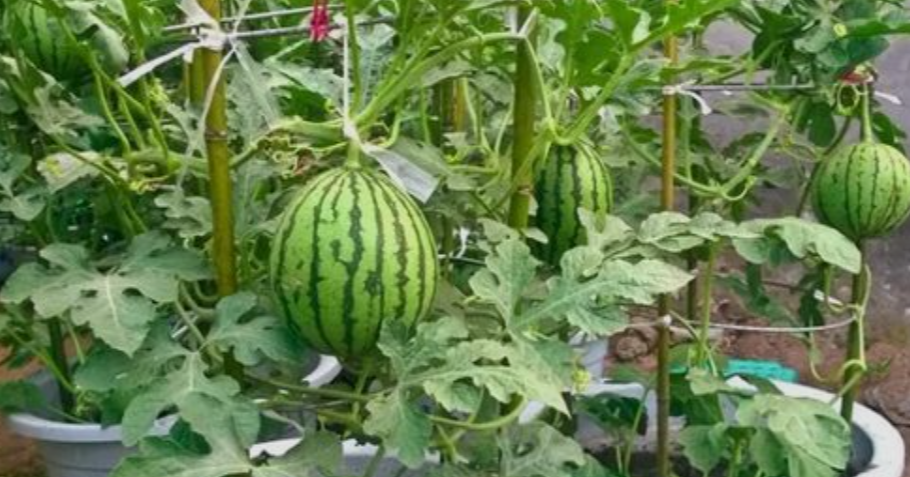
Watermelon grows on sprawling annual vines that can spread 10-15 feet across the ground with heavy fruits developing along the runners. These warm-season vines produce the iconic large melons filled with sweet, juicy flesh in red, yellow, or orange.
Watermelons require warm soil, full sun, and ample space for vines to run, and they develop their sweetness while the fruits rest on the ground, often requiring 80-100 days from planting to harvest.
Cucumbers
Cucumbers grow on annual vines that can climb trellises or sprawl along the ground, producing cylindrical green fruits continuously throughout summer. These fast-growing vines prefer warm weather and produce cucumbers that are harvested immature for crisp texture and mild flavor.
Bush varieties are more compact, but traditional vining cucumbers are more productive and can be trained vertically to save space while producing abundant harvests.
Cantaloupe
Cantaloupe grows on sprawling annual vines with netted, aromatic melons developing along trailing stems during warm weather. These sweet, orange-fleshed melons form at ground level on vines that can spread 6-10 feet from the plant center.
Cantaloupes require warm soil and a long growing season, and the fruits develop their characteristic sweetness and musky aroma while ripening on the vine, signaling harvest readiness when they easily slip from the stem.
Honeydew Melon
Honeydew melon grows on vigorous annual vines similar to cantaloupe, producing smooth-skinned, pale green melons with sweet, light green flesh. These vining plants spread extensively and produce fruits that rest on the ground throughout their development.
Honeydews require even longer growing seasons than cantaloupes and don’t “slip” from the vine when ripe, instead requiring careful monitoring of color, texture, and aroma to determine optimal harvest timing.
Bitter Melon
Bitter melon grows on annual tropical vines that climb readily and produce warty, oblong green fruits valued in Asian cuisines. These fast-growing vines can reach 10-15 feet and produce distinctive bumpy fruits with intensely bitter flavor and medicinal properties.
Bitter melon vines thrive in warm weather and are commonly trellised to save space, and the fruits are harvested immature for cooking in stir-fries, curries, and traditional medicines.
Squash and Pumpkins
Summer and winter squash grow on vigorous annual vines that sprawl extensively, producing diverse fruits from delicate zucchini to massive pumpkins. These vining plants can spread 10-20+ feet and produce large yellow flowers followed by fruits in countless shapes, sizes, and colors.
While bush varieties exist, traditional vining squash are more productive and include pumpkins, butternut, acorn, spaghetti squash, and numerous heirloom varieties that require ample garden space.
Chayote
Chayote grows on perennial tropical vines that can become massive, covering arbors and fences with extensive growth and producing pear-shaped fruits prolifically. These vigorous vines can grow 30-40 feet in a single season in frost-free climates and produce dozens of mild-flavored squash.
Chayote vines are perennial where winters are mild, growing from tuberous roots year after year, and virtually all parts including shoots, roots, and fruits are edible.
Loofah (Luffa)
Loofah grows on annual tropical vines that produce elongated gourd fruits eaten when young or dried for natural sponges. These vigorous climbers can reach 20+ feet and produce cylindrical fruits that contain fibrous interiors.
Young loofah fruits are edible vegetables in Asian cuisines, while mature fruits are dried, peeled, and used as bath sponges, demonstrating the versatility of vine-grown fruits beyond just food production.
Blackberries
Blackberries grow on thorny or thornless biennial canes that behave like vines, arching and spreading extensively if not trellised. These brambles produce sweet-tart berries in summer on second-year canes while first-year canes grow vegetatively.
Blackberry canes can spread aggressively and benefit from trellising to manage growth, improve air circulation, and facilitate harvesting of the delicious berries that ripen progressively over several weeks.
Boysenberries
Boysenberries grow on trailing vines similar to blackberries but with larger, more complex-flavored berries combining raspberry, blackberry, and loganberry characteristics. These vigorous vines produce reddish-purple berries on second-year canes and require trellising for best production.
Boysenberries were developed in California and produce exceptionally flavorful berries larger than blackberries, perfect for fresh eating, jams, and pies when harvested in early summer.
Raspberries (Trailing Types)
Trailing raspberry varieties grow on long, flexible canes that behave like vines and benefit from trellising for support and management. These brambles produce sweet, delicate berries in red, yellow, purple, or black depending on variety.
While some raspberries have upright canes, trailing types spread more like vines and produce abundantly when properly supported, with summer-bearing and everbearing varieties offering extended harvest periods.
Dragon Fruit
Dragon fruit grows on climbing cactus vines with triangular stems that can reach 20+ feet when provided support. These tropical cacti produce spectacular night-blooming flowers followed by vibrant pink or yellow fruits with white or red flesh.
Dragon fruit vines are epiphytic in nature, climbing trees or structures in their native habitat, and they require minimal water once established while producing exotic fruits in warm climates or greenhouses.
Maypop (Passion Flower)
Maypop is a native North American passion flower that grows on herbaceous vines and produces edible passion fruits similar to tropical varieties. These perennial vines die back to the ground in winter but regrow vigorously each spring, producing purple flowers and yellow passion fruits.
Maypop is cold-hardy to zone 5-6, allowing passion fruit cultivation in temperate climates where tropical passion vines won’t survive, and the fruits are smaller but similarly flavored to tropical types.
Kiwano (Horned Melon)
Kiwano grows on annual vines similar to cucumbers and produces spiky orange fruits with lime-green, jelly-like flesh. These African natives climb readily and produce distinctive horned fruits that look alien but taste like a combination of cucumber, banana, and lime.
Kiwano vines are easy to grow in warm weather and produce unusual fruits that are ornamental as well as edible, popular in specialty markets for their unique appearance.
Ivy Gourd
Ivy gourd grows on perennial tropical vines that spread aggressively and produce small, cucumber-like fruits harvested immature for cooking. These fast-growing vines can become invasive in warm climates but are cultivated in Asia for their edible fruits and shoots.
Ivy gourd produces small green fruits continuously throughout warm weather, and they’re used in curries, stir-fries, and pickles across Southeast Asian cuisines.
Momordica (Spiny Gourd)
Momordica or spiny gourd grows on annual vines and produces spiny, elongated fruits that split open when ripe to reveal red arils. These unusual vines are related to bitter melon and produce decorative fruits that are used medicinally and ornamentally.
The red arils surrounding the seeds are edible and sweet, while the spiny fruits themselves are typically not eaten, making this a vine grown both for food and ornamental interest.
Armenian Cucumber
Armenian cucumber, actually a melon despite its name, grows on sprawling vines with long, ridged fruits that resemble pale green cucumbers. These productive vines can spread 6-8 feet and produce prolifically in warm weather.
Armenian cucumbers have mild, sweet flavor and are best harvested when 12-18 inches long, and they’re more heat-tolerant than true cucumbers while producing unique, curving fruits throughout summer.
Akebia
Akebia is a perennial woody vine that produces unusual purple, sausage-shaped fruits with sweet, translucent flesh in fall. These fast-growing ornamental vines can reach 20-40 feet and produce fragrant chocolate-scented flowers in spring.
Akebia fruits split open when ripe to reveal creamy white pulp that can be eaten fresh, and while not commonly cultivated for fruit, they represent an edible vine fruit that’s cold-hardy and ornamental, growing where tropical fruit vines cannot survive.