The reality is that most fruits are safe and beneficial during pregnancy when consumed as part of a normal, varied diet. Fruits provide essential vitamins, minerals, fiber, and hydration that support healthy pregnancy.
It’s important to start with a clear and safe fact: no common fruit, when eaten in normal food amounts, is scientifically proven to directly cause miscarriage in a healthy pregnancy. Many fruits listed online are connected to traditional beliefs, excessive consumption, or specific unsafe forms (such as unripe parts, seeds, or extracts). Health organizations like the World Health Organization advise pregnant people to eat a balanced diet that includes fruits because they provide essential vitamins and fiber.
Fruits That Can Cause Miscarriage
Pineapple
Pineapple contains bromelain, an enzyme that can soften proteins. Large medicinal amounts of bromelain supplements may affect tissues, but normal dietary pineapple is considered safe. Eating several whole pineapples at once could cause stomach irritation rather than miscarriage.
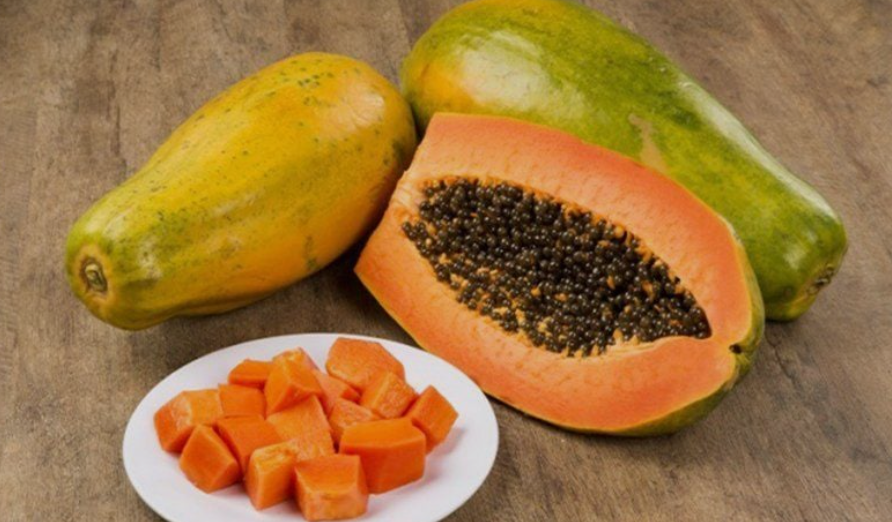
Papaya (Unripe or Semi-ripe)
Unripe papaya contains latex compounds that may stimulate uterine contractions in animal studies. Because of this, doctors often advise avoiding unripe papaya, while fully ripe papaya is generally safe in moderate portions.
Aloe Vera (Aloe Fruit or Latex)
Aloe latex (the yellow substance under the skin) has strong laxative effects and may trigger uterine activity if consumed internally. Aloe drinks or extracts should be avoided unless approved by a healthcare professional.
Bitter Melon (Bitter Gourd Fruit)
Bitter melon is nutritious but contains compounds that, in very large medicinal amounts, have shown reproductive effects in animal studies. Normal food servings are usually safe, but excessive intake is discouraged during pregnancy.
Grapes
Some cultural beliefs warn against grapes because of heat production in the body, but there is no scientific evidence that grapes cause miscarriage. The main concern is pesticide residue, so washing thoroughly is important.
Dates (Excessive Intake Early in Pregnancy)
Dates are nutritious and often recommended later in pregnancy. However, eating extremely large amounts early on is sometimes avoided in traditional advice due to possible uterine stimulation, though strong scientific proof is limited.
Pomegranate
Pomegranate fruit itself is safe. Concerns mainly relate to concentrated root or bark extracts, not the edible seeds or juice normally consumed as food.
Peach (Seeds/Pits)
Peach flesh is safe and healthy. The pit contains compounds that can release cyanide if crushed and eaten, which is toxic in general — not specifically a miscarriage risk but unsafe for anyone.
Apricot (Seeds)
Like peaches, apricot seeds contain amygdalin, which can produce toxic substances if consumed in quantity. The fruit itself is safe; the seeds should not be eaten.
Wild Apple Varieties
Some wild or unripe apples contain higher levels of natural acids or compounds that may upset digestion. Cultivated ripe apples are completely safe during pregnancy.
Jackfruit (Very Large Quantities)
Jackfruit is nutritious, but traditional medicine sometimes advises moderation due to its strong digestive effects. There is no medical proof linking normal consumption to miscarriage.
Tamarind (Excessive Consumption)
Tamarind is widely eaten and safe in food amounts. Extremely high intake could cause digestive discomfort or interact with certain medications, which is why moderation is recommended.