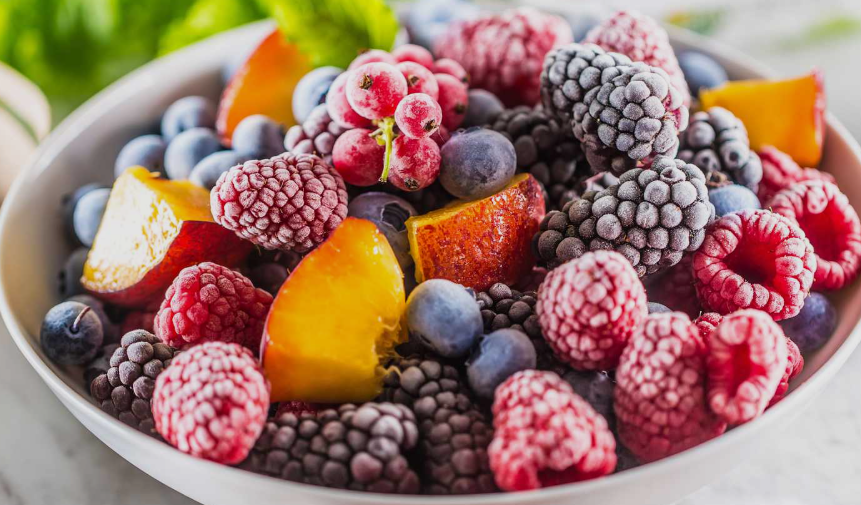
Fruits can support fertility naturally by providing important vitamins, minerals, and antioxidants that help maintain overall reproductive health. A balanced diet that includes a variety of fruits contributes to healthy body functions, hormone balance, and improved energy levels, all of which play a role in fertility for both men and women.
Many fruits are rich in antioxidants, which help protect body cells from damage caused by oxidative stress. Healthy cells are important for reproductive processes, including egg and sperm health. Antioxidants also support the immune system and help the body function more efficiently.
Fruits that contain vitamin C, folate, and other essential nutrients are especially helpful for supporting reproductive wellness. These nutrients contribute to healthy blood circulation and cell development, which are important for hormone production and overall reproductive system health. Eating colorful fruits often ensures a wider range of beneficial nutrients.
Natural sugars and fiber found in fruits help maintain stable energy levels and support healthy digestion. Balanced blood sugar levels are linked to better hormone regulation, which may positively influence fertility over time. Whole fruits are generally more beneficial than processed sugary foods because they provide nutrients along with fiber.
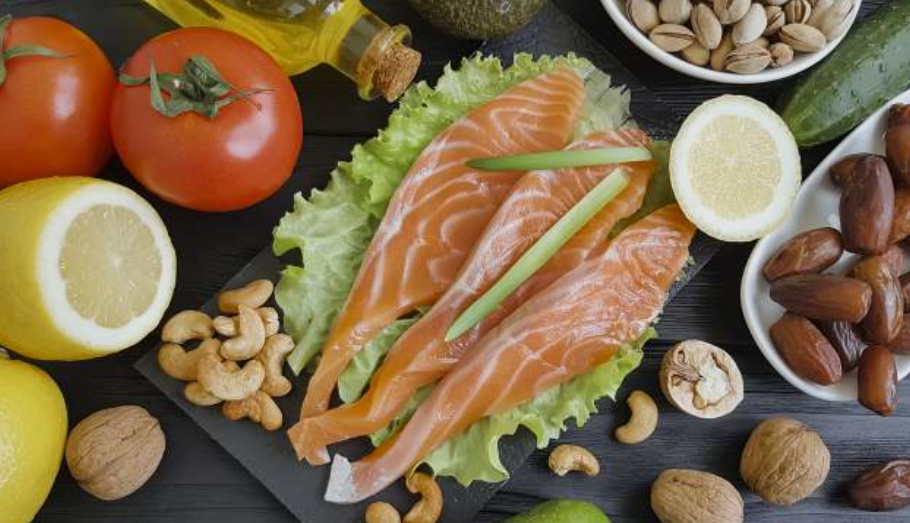
Fruits That Can Boost Fertility Naturally
Berries (Strawberries, Blueberries, Raspberries)
Berries are packed with powerful antioxidants like vitamin C and folate that protect reproductive cells from oxidative stress and support healthy egg and sperm development. These colorful fruits contain anthocyanins and other phytonutrients that reduce inflammation and improve blood flow to reproductive organs.
Berries are also rich in folate, a B-vitamin crucial for preventing neural tube defects and supporting early fetal development, and their high fiber content helps regulate blood sugar levels, which is important for hormonal balance and fertility in both men and women.
Pomegranates
Pomegranates are fertility superfoods loaded with antioxidants that improve blood flow to the uterus and support sperm health and motility in men. The fruit’s high vitamin C content protects eggs and sperm from oxidative damage while supporting collagen production important for reproductive tissue health.
Pomegranate juice has been shown in studies to increase testosterone levels and improve sperm quality, and the fruit’s anti-inflammatory properties may help create a healthier environment for conception while supporting overall reproductive system function.
Avocados
Avocados provide healthy monounsaturated fats essential for hormone production and vitamin E, which protects reproductive cells and improves sperm quality. The fruit’s high folate content supports healthy cell division and reduces the risk of birth defects when conception occurs.
Avocados also contain vitamin K, potassium, and B vitamins that support reproductive health, and their healthy fats help the body absorb fat-soluble vitamins A, D, E, and K that are crucial for fertility and hormone balance in both men and women.
Oranges and Citrus Fruits
Oranges and citrus fruits are excellent sources of vitamin C, a powerful antioxidant that improves sperm quality and motility while supporting egg health in women. Vitamin C helps the body absorb iron, preventing anemia which can affect fertility, and supports immune function important for reproductive health.
Citrus fruits also contain folate crucial for preventing neural tube defects and supporting early pregnancy, and their polyamine putrescine content has been associated with improved egg and semen health, making citrus a fertility-friendly fruit choice.
Bananas
Bananas provide vitamin B6, which helps regulate hormones and supports the production of progesterone, essential for maintaining healthy menstrual cycles and early pregnancy. The fruit’s potassium content supports heart health and proper muscle function including reproductive organs, while magnesium helps reduce stress that can negatively impact fertility.
Bananas also contain manganese and vitamin C that support reproductive health, and their natural sugars provide sustained energy while the fiber helps regulate blood sugar levels important for hormonal balance and fertility.
Pineapple
Pineapple contains bromelain, an enzyme with anti-inflammatory properties that may help improve implantation by reducing inflammation in the uterus. The fruit is rich in vitamin C and manganese, both important for reproductive health and protecting eggs and sperm from oxidative damage.
Pineapple’s high vitamin C content supports immune function and collagen production for healthy reproductive tissues, and while research is limited, some fertility specialists suggest eating pineapple core around implantation time, though this should be discussed with healthcare providers.
Watermelon
Watermelon contains the amino acid citrulline, which converts to arginine in the body and may improve blood flow to reproductive organs including the uterus. The fruit’s high water content supports hydration essential for cervical mucus production and overall reproductive function.
Watermelon also provides lycopene, a powerful antioxidant that has been shown to improve sperm quality and motility in men, and the fruit’s vitamins A and C support immune health and protect reproductive cells from oxidative stress.
Papaya
Papaya is rich in vitamin C, folate, and carotenoids that support reproductive health and protect eggs and sperm from oxidative damage. The fruit’s vitamin A content supports healthy mucous membranes including those in the reproductive tract, while folate is crucial for preventing birth defects.
Papaya contains enzymes that aid digestion and nutrient absorption, helping the body utilize fertility-supporting nutrients effectively, and its antioxidants support overall reproductive health, though pregnant women should avoid unripe papaya due to latex content that may stimulate contractions.
Kiwifruit
Kiwifruit is exceptionally high in vitamin C, providing more per serving than oranges, which protects reproductive cells and improves sperm quality and egg health. The fruit contains vitamin E, folate, and antioxidants that support hormone production and protect against oxidative stress affecting fertility.
Kiwi’s high fiber content helps regulate blood sugar and supports digestive health, which influences hormone balance, and the fruit’s nutrients support immune function important for reproductive health while providing folate crucial for early fetal development when conception occurs.
Grapes
Grapes, particularly red and purple varieties, contain resveratrol and other polyphenols with antioxidant properties that protect reproductive cells from damage. These antioxidants improve blood flow and may support healthy hormone levels important for fertility in both men and women.
Grapes provide vitamin C, vitamin K, and copper that support reproductive health, and their natural sugars provide quick energy while the skin contains beneficial compounds, though moderation is important as excessive sugar intake can negatively impact fertility.
Apples
Apples contain quercetin and other flavonoids that act as antioxidants protecting eggs and sperm from oxidative damage while supporting reproductive health. The fruit’s fiber content helps regulate blood sugar levels and supports healthy estrogen metabolism important for hormonal balance.
Apples provide vitamin C and various phytonutrients that support immune function and reduce inflammation, and eating organic apples avoids pesticide exposure that may negatively impact fertility, making them a smart choice for those trying to conceive.
Mangoes
Mangoes are rich in vitamin E, known as the “fertility vitamin,” which protects reproductive cells and supports hormone production in both men and women. The fruit provides vitamin C, folate, and beta-carotene that support egg health, sperm quality, and early fetal development.
Mangoes contain vitamin B6 that helps regulate hormones and supports progesterone production important for maintaining pregnancy, and their antioxidants protect against cellular damage while the natural sugars provide energy, though portion control is important for blood sugar management.
Cherries
Cherries contain melatonin, which may help regulate sleep cycles and reproductive hormones, and antioxidants that protect eggs and sperm from oxidative stress. Tart cherries are particularly high in anti-inflammatory compounds that may support reproductive health and create a healthier environment for conception.
Cherries provide vitamin C, potassium, and fiber that support overall health important for fertility, and their anthocyanins improve blood flow and reduce inflammation, potentially supporting uterine health and implantation when consumed as part of a fertility-supportive diet.
Figs
Figs have been associated with fertility since ancient times and provide iron, which prevents anemia that can negatively affect ovulation and fertility. The fruit contains calcium, magnesium, and potassium that support reproductive health and hormone balance.
Figs are rich in fiber that helps regulate blood sugar and supports healthy estrogen metabolism, and their antioxidants protect reproductive cells from damage while the natural sugars provide sustained energy, making them a nutrient-dense fertility food when consumed fresh or dried in moderation.
Peaches and Apricots
Peaches and apricots are excellent sources of beta-carotene, which the body converts to vitamin A essential for reproductive health and hormone production. These stone fruits provide vitamin C and antioxidants that protect eggs and sperm from oxidative damage while supporting immune function.
Peaches and apricots contain fiber that helps regulate blood sugar important for hormonal balance, and their potassium supports heart health and proper muscle function including reproductive organs, making them valuable additions to a fertility-supporting diet.
Guava
Guava is exceptionally high in vitamin C, providing even more than citrus fruits, which protects reproductive cells and supports collagen production for healthy reproductive tissues. The fruit contains folate crucial for preventing neural tube defects and supporting early pregnancy, along with lycopene that has been shown to improve sperm quality in men.
Guava’s fiber content helps regulate blood sugar and supports digestive health important for hormone balance, and its various antioxidants protect against oxidative stress that can impair fertility in both men and women.
Dates
Dates are nutrient-dense fruits providing iron, folate, and various B vitamins that support reproductive health and energy production. The fruit’s natural sugars provide quick energy while fiber helps slow absorption for better blood sugar control important for hormonal balance.
Dates contain minerals like magnesium, potassium, and calcium that support muscle function and hormone production, and they’ve been traditionally used to support reproductive health, providing concentrated nutrition that may benefit fertility when consumed in moderation as part of a balanced diet.
Coconut
Coconut meat and coconut oil provide medium-chain fatty acids that support hormone production and provide energy for reproductive processes. The fruit contains minerals like manganese, copper, and selenium that support antioxidant function and protect reproductive cells from damage.
Coconut’s healthy fats help the body absorb fat-soluble vitamins important for fertility, and its lauric acid supports immune function and may have antimicrobial properties that promote reproductive health, making coconut a valuable addition to fertility-supporting diets in various forms.
Cantaloupe
Cantaloupe is rich in beta-carotene and vitamin C, both powerful antioxidants that protect eggs and sperm from oxidative damage while supporting immune health. The fruit’s high water content supports hydration important for cervical mucus production and overall reproductive function.
Cantaloupe provides folate crucial for preventing birth defects, along with potassium that supports heart health and proper muscle function, and its low glycemic load makes it a fertility-friendly fruit that provides nutrients without significantly spiking blood sugar levels.
Acai Berries
Acai berries are antioxidant powerhouses containing anthocyanins and other compounds that protect reproductive cells from oxidative stress and support healthy aging of eggs and sperm. These Brazilian berries provide healthy fats, fiber, and amino acids that support hormone production and overall reproductive health.
Acai’s anti-inflammatory properties may help create a healthier environment for conception, and while typically consumed frozen or powdered, acai provides concentrated nutrition including vitamins A, C, and E that protect fertility and support reproductive system function in both men and women.
Goji Berries
Goji berries have been used in traditional Chinese medicine for reproductive health and contain antioxidants that protect sperm and eggs from oxidative damage. These nutrient-dense berries provide vitamin C, zinc, and amino acids that support hormone production and reproductive function.
Goji berries contain polysaccharides that may improve sperm quality and quantity in men while supporting reproductive health in women, and their concentrated nutrition provides vitamins and minerals important for fertility when incorporated into smoothies, trail mixes, or eaten as dried snacks.
Plums and Prunes
Plums and prunes (dried plums) provide boron, a mineral that may help regulate estrogen and testosterone levels important for fertility in both men and women. The fruits are rich in antioxidants that protect reproductive cells from oxidative stress while supporting overall cellular health.
Prunes are particularly high in fiber that supports healthy digestion and estrogen metabolism, and they provide iron important for preventing anemia that can affect ovulation, making both fresh plums and dried prunes valuable fertility-supporting foods.
Passion Fruit
Passion fruit contains vitamin C, vitamin A, and antioxidants that protect reproductive cells and support immune function important for fertility. The fruit provides iron and magnesium that support hormone production and prevent anemia that can affect ovulation and fertility.
Passion fruit’s piceatannol, a compound related to resveratrol, may have antioxidant properties that support reproductive health, and the seeds provide fiber that helps regulate blood sugar important for hormonal balance, making this tropical fruit a nutrient-rich fertility food.
Dragon Fruit (Pitaya)
Dragon fruit is rich in vitamin C, iron, and antioxidants that support reproductive health and protect eggs and sperm from oxidative damage. The fruit’s prebiotic fiber supports gut health, which influences hormone metabolism and immune function important for fertility.
Dragon fruit provides B vitamins that support energy production and hormone regulation, and its lycopene content (in red varieties) has been associated with improved sperm quality in men, making this visually stunning fruit a nutritious addition to fertility-supporting diets.
Important Notes
While these fruits provide nutrients that support reproductive health, fertility depends on many factors including overall diet quality, lifestyle habits, stress levels, underlying health conditions, and both partners’ health.
No single food guarantees improved fertility, and these fruits should be part of a varied, nutrient-rich diet that includes vegetables, whole grains, lean proteins, and healthy fats.
Recommendations:
- Eat a rainbow of fruits to maximize nutrient diversity
- Choose organic when possible to reduce pesticide exposure
- Maintain healthy blood sugar by pairing fruits with protein or healthy fats
- Stay hydrated and maintain overall healthy lifestyle habits
- Consult healthcare providers or fertility specialists about specific concerns
- Consider both partners’ nutrition, as male fertility is equally important