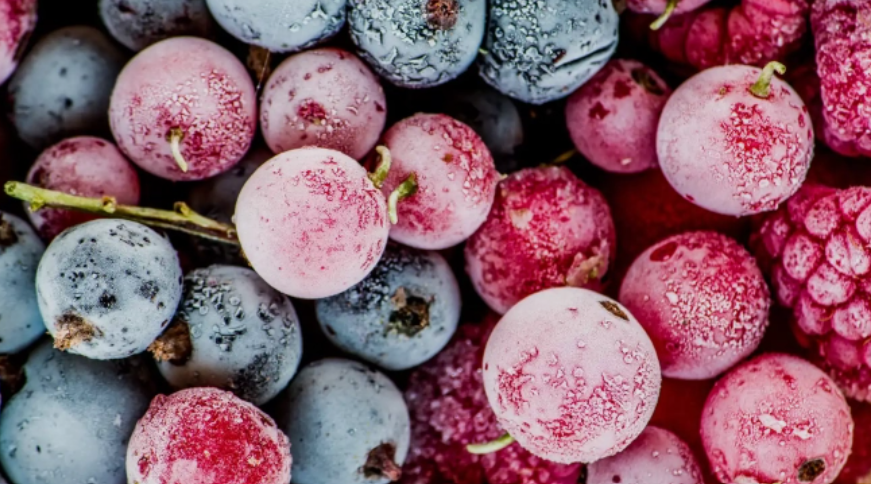
Many fruits can be frozen and still taste good because freezing helps preserve their flavor, color, and nutrients. When fruits are frozen at the right time—usually when fully ripe—they maintain much of their natural sweetness and freshness. Freezing slows down spoilage, allowing fruits to be enjoyed long after their harvest season.
Fruits with high water content often soften after thawing, but they still work well in smoothies, desserts, and cooked dishes. Freezing breaks down some cell walls inside the fruit, which changes the texture slightly while keeping the taste mostly the same. This makes frozen fruit especially useful for blending and baking.
Some fruits naturally freeze better because of their firm texture and balanced sugar levels. These fruits hold their flavor well and remain enjoyable even after being stored for months. Proper preparation, such as washing, drying, and sometimes slicing before freezing, helps maintain quality.
Using airtight containers or freezer bags is important to prevent freezer burn and protect flavor. Removing excess air and freezing fruits quickly helps preserve their natural taste and prevents ice crystals from damaging the fruit too much. Labeling and using frozen fruit within several months also improves results.
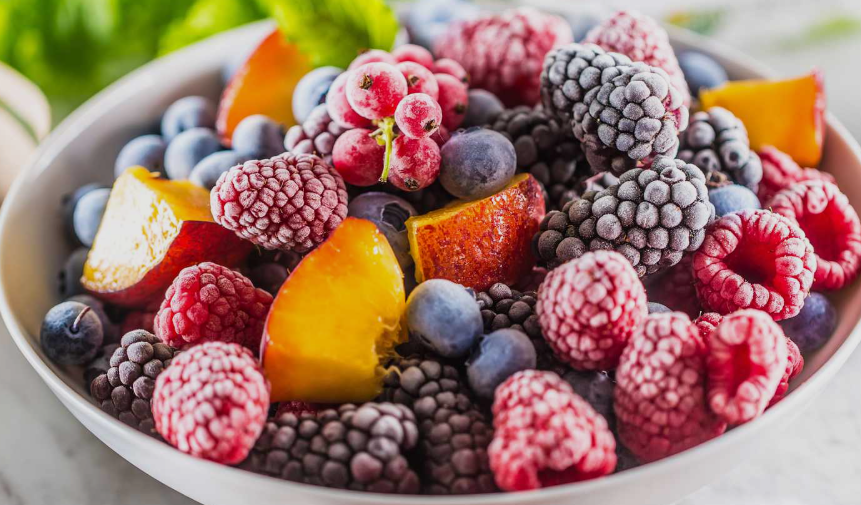
Fruits That Can Be Frozen & Still Taste Good
Strawberries
Strawberries freeze beautifully and retain their sweet flavor and vibrant color, making them perfect for smoothies, baking, and desserts. To freeze, wash and hull the berries, then spread them on a baking sheet in a single layer to flash-freeze before transferring to freezer bags.
Frozen strawberries work excellently in smoothies, jams, sauces, and baked goods, and while they become softer when thawed, the flavor remains delicious for 8-12 months in the freezer.
Blueberries
Blueberries are one of the easiest fruits to freeze, requiring minimal preparation while maintaining their texture and antioxidant-rich properties. Simply wash, dry thoroughly, and spread on a tray to freeze individually before storing in containers or bags.
Frozen blueberries can be used directly in muffins, pancakes, smoothies, or oatmeal without thawing, and they retain their nutritional value and burst-in-your-mouth texture for up to a year when properly stored.
Raspberries
Raspberries freeze well and maintain their delicate flavor, though their soft texture means they’re best used in recipes rather than eaten fresh after thawing. Freeze unwashed berries (wash just before using to prevent sogginess) in a single layer before transferring to freezer bags.
Frozen raspberries are excellent for smoothies, sauces, jams, and baking, and their intense flavor actually concentrates slightly during freezing, making them perfect for desserts and preserves for up to 10 months.
Blackberries
Blackberries maintain their rich, complex flavor when frozen and work wonderfully in cobblers, pies, smoothies, and sauces. Flash-freeze washed and dried berries on a tray before storing to prevent clumping. The berries soften when thawed but retain their sweet-tart flavor profile and deep purple color, making them ideal for cooking, baking, and blending, and they store well for 8-12 months in the freezer.
Mango
Mango chunks freeze exceptionally well, maintaining their tropical sweetness and smooth texture perfect for smoothies and frozen desserts. Peel, pit, and cube ripe mangoes, then freeze on a tray before transferring to bags, removing as much air as possible.
Frozen mango can be blended directly into smoothies, used in salsas and chutneys, or thawed slightly for desserts, and the fruit retains its vibrant orange color and sweet flavor for up to a year.
Pineapple
Pineapple freezes beautifully with its tangy-sweet flavor intensifying slightly, making it perfect for tropical smoothies and grilled applications. Cut fresh pineapple into chunks or rings, freeze on a tray, then store in airtight containers or bags.
Frozen pineapple can be used in smoothies, grilled for desserts, added to stir-fries, or blended into frozen treats, and the fruit maintains its bright flavor and most of its texture for 10-12 months when properly frozen.
Peaches
Peaches freeze well when properly prepared, maintaining their sweet flavor and soft texture ideal for cobblers, pies, and smoothies. Blanch peaches briefly to remove skins, slice, and toss with lemon juice or ascorbic acid to prevent browning before freezing.
Frozen peaches work excellently in baked goods, smoothies, and sauces, and while the texture becomes softer, the flavor remains delicious for 8-12 months, capturing summer’s best flavors for year-round enjoyment.
Cherries
Cherries freeze exceptionally well, whether sweet or sour, maintaining their flavor and working beautifully in pies, cobblers, and sauces. Pit the cherries (or freeze with pits and pit after thawing), then freeze on trays before storing in bags.
Frozen cherries are perfect for baking, making cherry sauce, blending into smoothies, or eating semi-thawed as a frozen treat, and they retain their characteristic flavor and most nutritional benefits for up to a year.
Bananas
Bananas are among the most popular fruits for freezing, perfect for smoothies, banana bread, and creating creamy “nice cream” desserts. Peel and slice or freeze whole bananas in their peels (though peels blacken), and frozen banana can be stored for several months.
The texture becomes very soft when thawed, making frozen bananas ideal for smoothies, baking, and blending into ice cream alternatives, and their natural sweetness intensifies slightly during freezing, reducing the need for added sugars in recipes.
Grapes
Grapes freeze beautifully and can be eaten directly from the freezer as refreshing frozen snacks or used in recipes. Wash and dry grapes thoroughly, remove from stems, and freeze on trays before storing in bags for easy portioning.
Frozen grapes make excellent ice cube substitutes in beverages without diluting them, work in smoothies, or can be enjoyed as healthy frozen treats, and they maintain their sweetness and nutritional value for 10-12 months.
Watermelon
Watermelon cubes freeze well for smoothies and frozen drinks, though the high water content means the texture changes significantly when thawed. Cut seedless watermelon into cubes, freeze on trays, then transfer to freezer bags for storage.
Frozen watermelon is perfect for blending into smoothies, frozen cocktails, or slushies, and while not suitable for eating fresh after thawing due to mushiness, it retains its sweet flavor and hydrating properties for smoothie use for 8-10 months.
Cantaloupe
Cantaloupe freezes well when cut into cubes or balls, maintaining its sweet flavor perfect for smoothies and cold soups. Scoop or cube ripe cantaloupe, freeze on trays, then store in airtight containers or bags.
The texture becomes softer when thawed, so frozen cantaloupe is best used in smoothies, frozen desserts, or blended soups rather than eaten fresh, and it retains its orange color and sweet melon flavor for 8-10 months in the freezer.
Honeydew Melon
Honeydew melon freezes similarly to cantaloupe, with cubes maintaining sweet flavor ideal for smoothies and frozen beverages. Cut ripe honeydew into cubes, freeze on baking sheets, then transfer to freezer bags for convenient storage.
Frozen honeydew works excellently in smoothies and as a natural sweetener in frozen drinks, and while the texture becomes soft when thawed, the delicate sweet flavor remains intact for blending and cooking applications for up to 10 months.
Cranberries
Cranberries freeze exceptionally well straight from the bag and can be used directly from frozen in most recipes without thawing. Simply transfer fresh cranberries to freezer bags or containers—no preparation needed—and they’ll last up to a year.
Frozen cranberries work perfectly in sauces, baked goods, smoothies, and holiday dishes, and freezing actually helps the berries break down more easily when cooked, making them ideal for sauces and relishes while maintaining their tart flavor and nutritional benefits.
Apricots
Apricots freeze well when properly prepared, maintaining their sweet-tart flavor perfect for jams, cobblers, and smoothies. Halve apricots, remove pits, and treat with lemon juice or ascorbic acid to prevent browning before freezing on trays.
Frozen apricots work excellently in baked goods, smoothies, jams, and sauces, and while the texture softens, the distinctive flavor remains delicious for 8-12 months, allowing you to enjoy summer apricots year-round.
Plums
Plums freeze beautifully when halved or quartered, maintaining their rich flavor ideal for compotes, baking, and sauces. Cut plums in half or quarters, remove pits, and freeze on trays before transferring to bags for storage.
Frozen plums are excellent for making plum sauce, adding to baked goods, or cooking into compotes, and their sweet-tart flavor and deep color remain intact for 10-12 months, making them versatile for both sweet and savory applications.
Nectarines
Nectarines freeze similarly to peaches, maintaining their sweet flavor and smooth texture perfect for smoothies and desserts. Slice nectarines (no need to peel), treat with lemon juice to prevent browning, and freeze on trays before storing.
Frozen nectarines work wonderfully in smoothies, baked goods, and sauces, and while they become softer when thawed, the flavor remains delicious for 8-12 months, capturing the essence of summer stone fruit for year-round enjoyment.
Kiwifruit
Kiwifruit freezes well when peeled and sliced, maintaining its tangy-sweet flavor and bright green color perfect for smoothies. Peel kiwis, slice or cube, and freeze on trays before transferring to freezer bags for convenient portioning.
Frozen kiwi is excellent in smoothies, frozen desserts, and as a tangy addition to fruit sauces, and the distinctive flavor and vitamin C content remain intact for 8-10 months, though the soft texture means it’s best used in blended applications.
Papaya
Papaya chunks freeze well, maintaining their tropical sweetness and soft texture ideal for smoothies and frozen desserts. Peel, seed, and cube ripe papaya, then freeze on trays before storing in airtight bags or containers.
Frozen papaya blends beautifully into smoothies, works in tropical fruit salsas, or can be used in frozen treats, and the bright orange color and sweet flavor remain vibrant for 10-12 months when properly stored.
Dragon Fruit
Dragon fruit (pitaya) freezes exceptionally well, maintaining its mild sweetness and stunning pink or white color perfect for smoothie bowls. Cut dragon fruit in half, scoop out the flesh, and cube or freeze whole halves before transferring to freezer bags.
Frozen dragon fruit creates beautiful smoothie bowls, adds visual appeal to frozen drinks, and maintains its antioxidant properties and subtle flavor for up to a year, making it a gorgeous and nutritious frozen fruit option.
Coconut Meat
Fresh coconut meat freezes beautifully, maintaining its rich flavor and texture for both sweet and savory applications. Crack fresh coconuts, extract the meat, cut into pieces or shred, and freeze in portions for convenient use.
Frozen coconut meat can be thawed for cooking, used in smoothies, made into coconut milk, or added to curries and desserts, and it retains its distinctive flavor and healthy fats for several months in the freezer.
Guava
Guava freezes well when cut into chunks or pureed, maintaining its aromatic tropical flavor perfect for smoothies and desserts. Wash, cut guavas into pieces (seeds and all, or remove if preferred), and freeze on trays before storing.
Frozen guava is excellent for smoothies, making guava paste or jam, or blending into tropical desserts, and the distinctive fragrance and sweet-tart flavor remain intact for 8-10 months, bringing tropical taste to recipes year-round.
Passion Fruit
Passion fruit pulp freezes exceptionally well, maintaining its intense tropical flavor and aromatic seeds perfect for desserts and beverages. Scoop out the pulp and seeds from halved passion fruits and freeze in ice cube trays or small containers.
Frozen passion fruit can be thawed for use in desserts, cocktails, smoothies, or sauces, and the concentrated tangy-sweet flavor and distinctive aroma remain perfectly preserved for up to a year, providing tropical intensity whenever needed.
Lychee
Lychee freezes well when peeled and pitted, maintaining its sweet, floral flavor and translucent texture perfect for smoothies and desserts. Peel lychees, remove seeds, and freeze the fruit whole or halved on trays before transferring to bags.
Frozen lychee works beautifully in smoothies, Asian-inspired desserts, cocktails, or can be thawed slightly for fruit salads, and the distinctive sweet flavor and perfume-like aroma remain intact for 8-10 months in the freezer.
Figs
Figs freeze well either whole or halved, maintaining their honey-sweet flavor perfect for baking and sauces once thawed. Wash figs, dry thoroughly, and freeze whole or halved on trays before storing in freezer bags.
Frozen figs can be thawed for baking, chopped into oatmeal or yogurt, made into fig preserves, or used in savory applications, and their rich sweetness and jammy texture remain delicious for 10-12 months, preserving the brief fig season.
Pomegranate Arils
Pomegranate arils (seeds) freeze beautifully, maintaining their jewel-like appearance and tart-sweet flavor perfect for garnishing and cooking. Remove arils from the fruit, spread on trays to freeze individually, then store in bags for easy portioning.
Frozen pomegranate arils can be used directly in smoothies, as garnishes for salads and desserts, in sauces, or eaten semi-frozen as snacks, and they retain their antioxidant-rich juice and crunchy texture for up to a year.
Rhubarb
Rhubarb freezes exceptionally well, maintaining its tart flavor and firm texture perfect for pies, crisps, and compotes. Wash, trim, and cut rhubarb into 1-inch pieces, then freeze on trays before storing in bags—no blanching needed.
Frozen rhubarb can be used directly in baking without thawing, works excellently in jams and sauces, and the tart flavor that defines rhubarb remains perfectly intact for 8-12 months, allowing year-round access to this spring favorite.
Currants
Currants—red, black, or white—freeze beautifully with their tart flavor intact, perfect for jams, sauces, and baking. Remove currants from stems, wash and dry thoroughly, then freeze on trays before transferring to containers.
Frozen currants work excellently in jams, jellies, sauces for meats, baked goods, and smoothies, and their concentrated tart flavor and nutritional benefits remain preserved for up to a year, making these often hard-to-find berries available year-round.
Gooseberries
Gooseberries freeze well maintaining their tart, distinctive flavor ideal for pies, fools, and preserves. Wash and dry gooseberries, remove stems and tails if desired, and freeze on trays before storing in bags.
Frozen gooseberries can be used directly in recipes without thawing, work beautifully in traditional British desserts like gooseberry fool, and make excellent jams and chutneys, retaining their characteristic tartness and pectin content for 8-10 months in the freezer.
Acai Berries
Acai berries are typically sold frozen as they’re highly perishable fresh, and they maintain their antioxidant-rich properties and deep purple color perfectly when frozen. The berries are usually available as frozen puree or whole frozen berries, ready to blend into smoothie bowls and drinks.
Frozen acai is the standard form for consumption outside Brazil, blending beautifully into smoothie bowls, providing intense antioxidant benefits, and the rich, earthy-chocolate flavor remains intact indefinitely when kept frozen.
Mulberries
Mulberries freeze excellently, maintaining their sweet, mild flavor and deep color perfect for jams, pies, and smoothies. Gently wash and dry mulberries, spread on trays to freeze individually, then store in bags for convenient use.
Frozen mulberries work wonderfully in baked goods, smoothies, jams, or can be eaten semi-frozen as treats, and their delicate flavor and nutritional benefits remain preserved for 8-10 months, extending the brief mulberry season.
Persimmons
Ripe persimmons freeze well when pureed or cut into chunks, maintaining their honey-sweet flavor perfect for baking and smoothies. Peel very ripe persimmons, puree or chunk the flesh, and freeze in portions for convenient use.
Frozen persimmon puree works excellently in baked goods, smoothies, and desserts, replacing some sugar due to its natural sweetness, and the rich, date-like flavor remains delicious for 10-12 months, preserving the fall persimmon harvest.
Oranges and Citrus Segments
Orange segments and other citrus pieces freeze well when properly prepared, maintaining juice and flavor for smoothies and cooking. Peel oranges, separate into segments, remove seeds, and freeze on trays before storing in bags.
Frozen citrus segments work well in smoothies, can be thawed for fruit salads, or used in cooking and baking, and while the texture becomes softer, the bright citrus flavor and vitamin C content remain good for 4-6 months in the freezer.
Lemon and Lime Juice/Zest
Lemon and lime juice freeze exceptionally well in ice cube trays, providing convenient portions for cooking and beverages year-round. Squeeze fresh citrus juice into ice cube trays, freeze, then transfer cubes to bags for easy use.
Frozen citrus juice cubes are perfect for adding to recipes, beverages, marinades, and dressings, and separately frozen zest maintains its aromatic oils, keeping bright citrus flavor available for 4-6 months.
Avocado
Avocado freezes surprisingly well when pureed or mashed, maintaining its creamy texture and healthy fats perfect for smoothies and guacamole. Mash ripe avocado with lemon or lime juice to prevent browning, portion into bags or containers, and freeze flat.
Frozen avocado works excellently in smoothies for creaminess, can be thawed for guacamole or spreads, and while the texture changes slightly, the flavor and nutritional benefits remain intact for 4-6 months.
Tomatoes (Fruit Botanically)
Tomatoes, botanically fruits, freeze well for cooking applications, maintaining flavor perfect for sauces, soups, and stews. Freeze whole tomatoes on trays, then transfer to bags—skins slip off easily when thawed under water.
Frozen tomatoes are excellent for making sauces, soups, and cooked dishes where texture isn’t critical, and the concentrated flavor actually works well in cooked applications, storing for 8-10 months and providing garden-fresh taste through winter months.