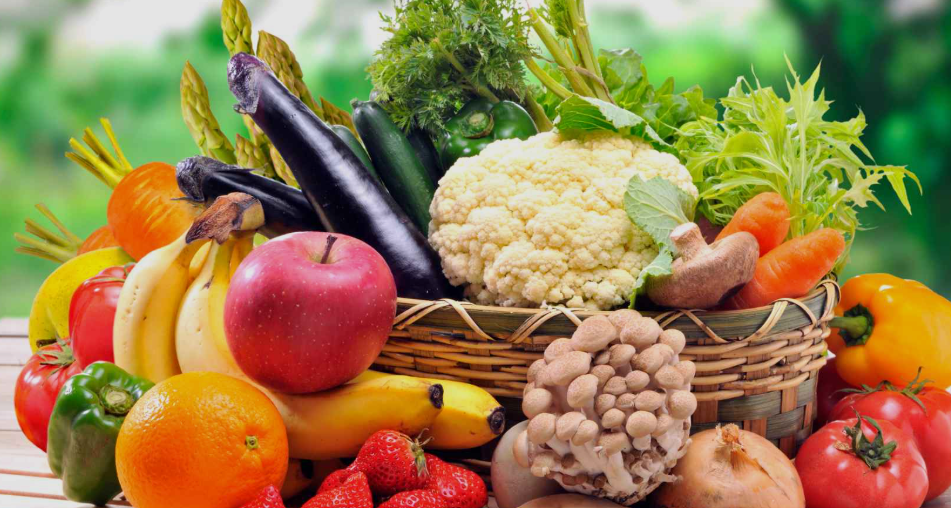
Fruits that ripen in spring are some of the first fresh produce to appear after the winter months. They often include berries, stone fruits, and early-season tropical or subtropical fruits. Spring fruits are usually juicy, sweet, and full of vibrant flavors, signaling the change of season and the return of warmer weather.
Many spring fruits are rich in vitamins, antioxidants, and natural sugars that help the body recover from the lean winter months. They provide energy and essential nutrients like vitamin C, potassium, and fiber. Early-season fruits like strawberries and apricots are particularly popular for their refreshing taste.
Spring fruits are often eaten fresh, used in desserts, or added to salads and smoothies. Their delicate flavor and texture make them ideal for lighter dishes and refreshing treats as the weather warms up. They are also widely used in jams, preserves, and baking during the spring season.
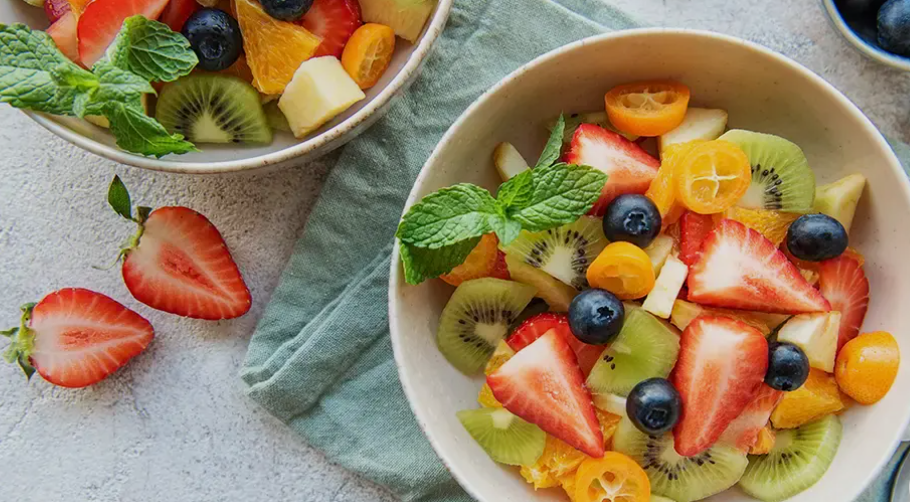
Fruits that ripen in spring
Strawberries
Strawberries are the quintessential spring fruit, with peak season running from April through June in most regions. These bright red berries are sweetest when locally grown and picked ripe, offering juicy flavor that’s perfect for eating fresh, making into jams, or topping desserts. They’re loaded with vitamin C and antioxidants.
Apricots
Apricots have a brief but glorious season in late spring, typically May and June. These velvety-skinned stone fruits offer sweet, slightly tart flesh that’s perfect for eating fresh or cooking into preserves. They’re related to peaches but smaller and more delicate, with a distinctive floral aroma.
Cherries
Sweet and sour cherries begin appearing in late spring, with the season extending into early summer. These glossy fruits range from deep red to golden yellow, depending on variety. They’re perfect for snacking, baking into pies, or preserving, and their short season makes them a special springtime treat.
Rhubarb
Though technically a vegetable, rhubarb is used as a fruit and peaks in spring. Its tart, pink stalks are inedible raw but transform beautifully when cooked with sugar, making classic pies, compotes, and jams. The leaves are toxic and should always be discarded.
Loquats
These small, oval fruits ripen in spring and have a short season from March to May. Loquats have fuzzy skin similar to apricots and sweet-tart, juicy flesh surrounding large seeds. They’re popular in Asian and Mediterranean cuisines and are delicious eaten fresh or made into preserves.
Mangoes
In many regions, mango season begins in spring and extends through summer. These tropical stone fruits offer incredibly sweet, aromatic flesh when ripe. Varieties range from small champagne mangoes to large Kent and Tommy Atkins types, each with unique flavor profiles and textures.
Pineapples
Spring marks peak season for pineapples in many growing regions. These tropical fruits take nearly two years to mature and offer sweet, tangy flesh that’s rich in bromelain enzymes. A ripe pineapple should smell sweet at the base and have leaves that pull out easily.
Lychees
Lychee season typically begins in late spring in tropical and subtropical regions. These small fruits have bumpy red skin that peels away to reveal translucent white flesh with a floral, sweet flavor. They’re eaten fresh, added to fruit salads, or used in Asian desserts and beverages.
Mulberries
Mulberries ripen in late spring on fast-growing trees that produce abundant fruit. These elongated berries can be white, red, or deep purple-black and offer sweet, mild flavor. They’re delicate and don’t transport well, making them a special treat for those with access to mulberry trees.
Medlars
These unusual spring fruits are harvested in late fall but aren’t eaten until spring after a process called “bletting” where they soften and develop their unique flavor. Medlars have an apple-like texture and taste reminiscent of spiced applesauce, traditionally used for jellies and preserves.
Kumquats
While they begin in winter, kumquats continue into early spring, offering their unique eat-whole experience. The sweet rind contrasts beautifully with the tart interior, and they’re perfect for marmalades, candying, or garnishing spring cocktails and salads.
Blood Oranges
The tail end of blood orange season extends into early spring, providing the last of these crimson-fleshed citrus fruits. Their berry-like undertones and stunning color make them perfect for spring salads, cocktails, and desserts before citrus season fully ends.
Jackfruit
In tropical regions, jackfruit season often peaks in spring. These massive fruits can weigh up to 80 pounds and contain sweet, aromatic flesh with a unique texture. Young, unripe jackfruit is used as a meat substitute, while ripe fruit offers tropical sweetness perfect for eating fresh.
Avocados
Many avocado varieties peak in spring, particularly Hass avocados. While technically a fruit, these creamy gems are used in savory dishes. They’re packed with healthy fats and have a buttery texture that’s perfect for toast, salads, smoothies, and guacamole.
Meyer Lemons
The Meyer lemon season extends from winter into spring, offering these sweeter, more aromatic lemons at their peak. They’re less acidic than regular lemons with floral notes, making them perfect for desserts, preserves, and spring beverages.
Raspberries
Spring marks the beginning of raspberry season in many regions, with another crop often appearing in fall. These delicate berries are extremely perishable and best eaten fresh shortly after picking. They’re perfect for breakfast, desserts, and making into sauces and jams.
Gooseberries
Gooseberries ripen in late spring and early summer, offering tart, translucent berries that can be green, red, or yellow. They’re popular in British and European cuisines for pies, jams, and fools (a traditional creamy dessert). They require cooking with sugar to become palatable.
Kiwiberries
These grape-sized relatives of kiwi fruit ripen in spring in some regions. Unlike regular kiwis, their skin is smooth and edible, and they’re sweeter with a more intense tropical flavor. They’re relatively new to commercial markets but are gaining popularity.
Elderberries
While elderberries are more common in late summer, some varieties begin appearing in late spring. These small, dark purple berries must be cooked before eating as they’re toxic when raw. They’re traditionally used for syrups, jams, and wine, known for immune-boosting properties.
Papayas
Spring is prime papaya season in Hawaii and other tropical regions. These large tropical fruits develop their sweetest flavor in spring, with orange flesh that’s rich in enzymes and vitamins. They’re perfect for breakfast, smoothies, or as a tenderizer for meat.
Passion Fruit
Spring brings another peak season for passion fruit in many regions. These wrinkled fruits intensify in flavor as they ripen, offering aromatic, tangy pulp that’s perfect for desserts, drinks, and adding tropical flair to spring recipes. The edible seeds provide a satisfying crunch.