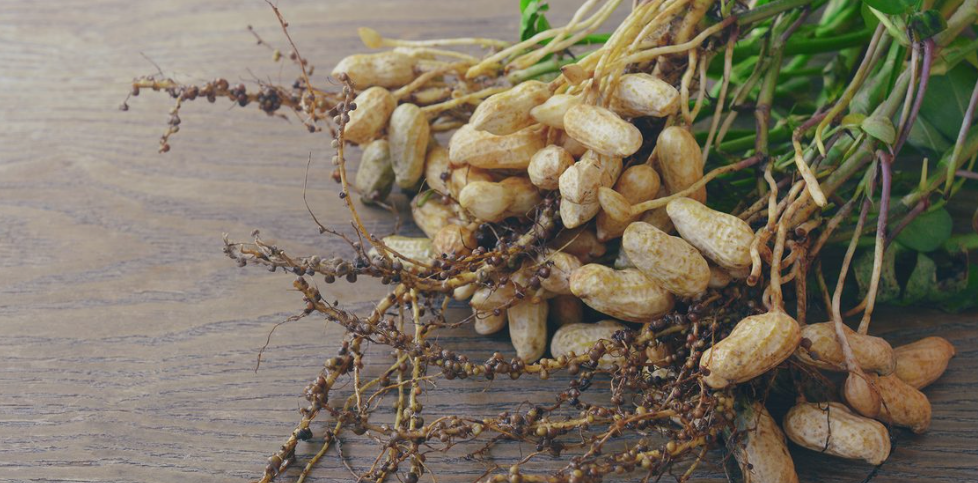
Fruits and other edible foods that grow underground develop beneath the soil surface instead of hanging from branches or vines. In many cases, the visible plant grows above ground with leaves and stems, while the edible portion forms below the soil. These underground foods store nutrients that help the plant survive and grow.
Many of these foods are actually roots, tubers, corms, or rhizomes rather than true fruits in the botanical sense. They grow underground to store energy, usually in the form of starch. This stored energy helps the plant regrow during the next season or survive dry or cold conditions.
Underground-growing foods are important in many cultures around the world. They are often rich in carbohydrates, fiber, and essential nutrients. Because they grow below the surface, they are protected from strong winds, extreme temperatures, and some pests.
Farmers harvest these foods by digging them out of the soil. They are commonly used in cooking for boiling, roasting, frying, or grinding into flour.
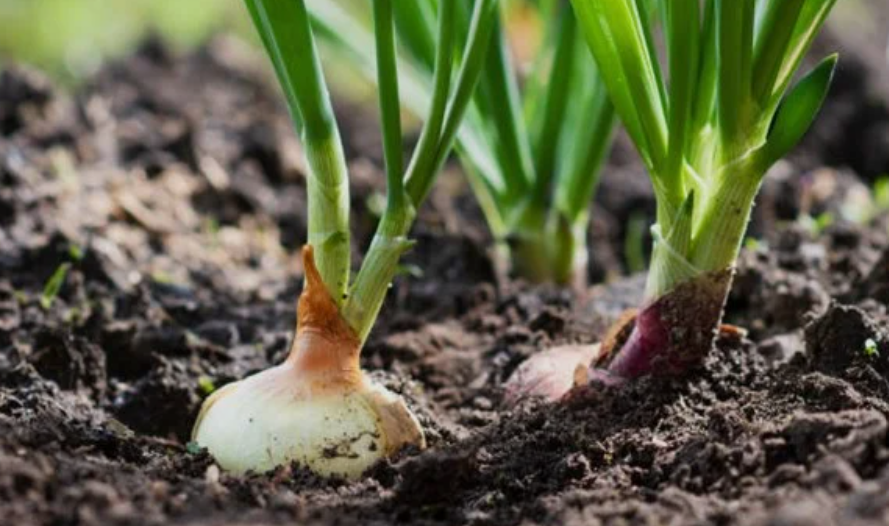
Fruits (Foods) That Grow Underground
Peanut
Peanuts develop underground after the plant flowers above the soil. The flower stalk bends down and pushes the fertilized ovary into the soil, where the peanut pod forms and matures beneath the surface.
Tiger Nut (Chufa)
Tiger nuts are small, sweet tubers that grow underground. Although often called nuts, they are actually edible underground tubers produced by a grass-like plant.
Groundnut (Bambara Groundnut)
This African legume produces pods that mature underground, similar to peanuts. It is widely grown in dry regions because it tolerates poor soils and drought.
Ahipa (Andean Yam Bean)
Ahipa produces edible underground tuberous roots. While the plant grows above ground, the sweet, crunchy edible portion develops beneath the soil.
Sweet Potato
Sweet potatoes are swollen storage roots that grow underground. Though commonly treated as a vegetable, botanically they are root tubers that develop below the soil.
Cassava (Yuca)
Cassava forms thick, starchy underground roots. The plant grows as a shrub above ground, but the edible part develops beneath the surface.
Jicama
Jicama produces a large, round underground root that is crisp and juicy. The vine grows above ground, but the edible portion develops below the soil.
Taro
Taro grows from an underground corm. The plant has large leaves above ground, but the starchy edible part forms beneath the soil.
Jerusalem Artichoke (Sunchoke)
This plant produces knobby underground tubers. Although it looks like a sunflower above ground, the edible tubers grow beneath the soil.
Yam
True yams grow as large underground tubers. The vine climbs above ground, but the edible portion develops below the soil surface.
Lotus Root
Lotus plants grow in water, but their edible rhizomes develop in the mud at the bottom. These underground stems are harvested from beneath the soil or mud.
Truffle
Truffles are underground fruiting bodies of certain fungi. They grow beneath the soil near tree roots and are considered a rare and valuable delicacy.
Chinese Water Chestnut
Chinese water chestnuts grow underground in muddy soil beneath shallow water. The crisp, edible corm develops below the surface while the leafy plant grows above water.
Arrowroot
Arrowroot produces underground rhizomes that are harvested for their starchy content. The edible portion forms beneath the soil while the plant’s leaves grow above ground.
Oca (New Zealand Yam)
Oca is a colorful underground tuber grown mainly in the Andes. The edible tubers develop below the soil surface and are known for their slightly tangy flavor.
Ulluco
Ulluco is another Andean plant that forms small, bright underground tubers. The plant grows leafy stems above ground, but the edible tubers grow beneath the soil.
Mashua
Mashua produces underground tubers that are edible and nutritious. It is traditionally grown in South America and thrives in cool mountain climates.