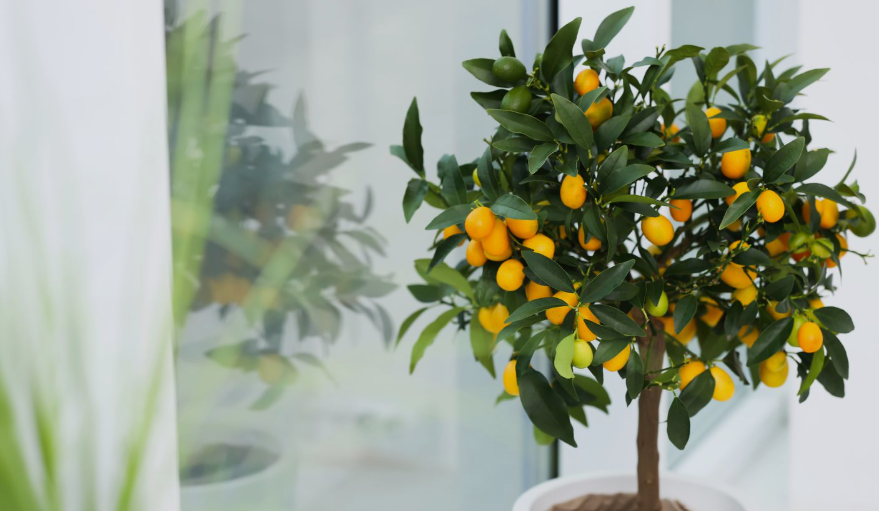
Fruit trees that grow well indoors are compact plants adapted to living in containers and limited spaces. These trees are usually dwarf or miniature varieties that stay small while still producing edible fruit. With proper care, they can thrive inside homes, apartments, or greenhouses.
Indoor fruit trees need plenty of light to grow successfully. Most require a sunny window or supplemental grow lights to mimic outdoor sunlight. Warm temperatures and stable indoor conditions often help these plants grow steadily throughout the year.
Container growing is important for indoor fruit trees because it controls their size and root growth. Well-draining soil, suitable pots, and regular watering help prevent root problems. Proper drainage is especially important since indoor plants cannot rely on natural rainfall patterns.
Pollination can sometimes be a challenge indoors, so many indoor fruit trees are self-pollinating or benefit from gentle hand pollination. Good air circulation and occasional pruning also help maintain healthy growth and encourage fruit production.
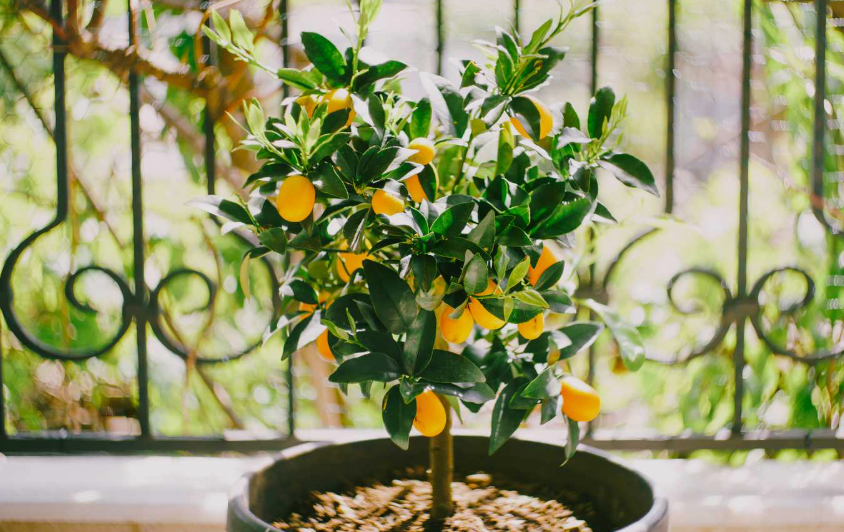
Fruit Trees that Grow Well Indoors
Dwarf Citrus Trees
Dwarf citrus including Meyer lemons, Key limes, Calamondin oranges, and Kumquats are among the best fruit trees for indoor cultivation. These compact trees typically reach 3-6 feet tall in containers and produce fragrant flowers followed by full-sized, delicious fruits.
Citrus thrives indoors with bright, south-facing windows or grow lights, requiring 8-12 hours of light daily, consistent watering, and occasional misting for humidity. Indoor citrus can produce fruit year-round, and their glossy evergreen leaves and fragrant blossoms make them attractive houseplants even when not fruiting.
Dwarf Banana Plants
Dwarf banana varieties like ‘Dwarf Cavendish’ and ‘Super Dwarf Cavendish’ can produce full-sized bananas indoors when given adequate light and space. These compact varieties reach 4-6 feet tall and require large containers, bright indirect light, high humidity, and consistent moisture.
While challenging, indoor bananas can fruit within 2-3 years when provided with warmth, fertilization, and proper care. The large, tropical leaves create dramatic indoor focal points, and successfully harvesting homegrown bananas indoors is incredibly rewarding for dedicated indoor gardeners.
Fig Trees
Dwarf fig varieties like ‘Petite Negra’ and ‘Chicago Hardy’ adapt excellently to container growing and can produce sweet figs indoors. These deciduous trees reach 3-5 feet in pots and require bright light, well-draining soil, and a winter dormancy period with reduced watering.
Figs are relatively low-maintenance indoor fruit trees that tolerate the dry air of heated homes better than tropical fruits. Many varieties produce two crops annually, and their attractive lobed leaves and compact size make them ideal for indoor cultivation with sunny windowsills or supplemental lighting.
Dwarf Pomegranate
Dwarf pomegranate varieties like ‘Nana’ produce miniature fruits and stunning orange-red flowers on compact plants perfect for indoor growing. These small trees reach 2-4 feet tall and adapt well to container culture with bright light and well-draining soil.
While the fruits are smaller than standard pomegranates, they’re still edible, and the tree produces beautiful flowers and ornamental fruit throughout the year. Dwarf pomegranates are easier to fruit indoors than many options and provide multi-season interest as attractive houseplants.
Dwarf Peach and Nectarine Trees
Genetic dwarf peach and nectarine varieties like ‘Bonanza’ and ‘Nectar Babe’ can produce full-sized fruit on 4-6 foot trees suitable for indoor growing. These compact trees require bright light (preferably supplemented with grow lights), good air circulation, and a winter chilling period achieved by placing them in cool areas.
Indoor stone fruits are challenging but possible, requiring hand-pollination with a small brush and careful attention to watering and fertilization. Successfully growing peaches indoors provides the satisfaction of homegrown stone fruit regardless of climate.
Calamondin Orange
Calamondin is arguably the easiest citrus for indoor cultivation, producing abundant small, tart oranges on compact, forgiving plants. These trees naturally stay 3-5 feet tall, tolerate lower light than other citrus, and fruit reliably indoors without requiring perfect conditions.
Calamondins bloom and fruit throughout the year, filling rooms with fragrant flowers, and the small, kumquat-like fruits are excellent for marmalade and cooking. The tree’s adaptability, continuous flowering, and reliable fruiting make it the top choice for beginning indoor fruit tree growers.
Dwarf Avocado Trees
Dwarf avocado varieties like ‘Wurtz’ (Little Cado) can produce avocados indoors when given very bright light and large containers. These compact trees reach 8-10 feet but can be maintained smaller through pruning, and they require excellent drainage, consistent moisture, and high humidity. Indoor avocados are challenging and may take 5-7 years to fruit, but they’re possible with dedication.
The glossy evergreen leaves create attractive indoor plants even before fruiting, and successfully harvesting homegrown avocados indoors is a remarkable achievement.
Kumquat Trees
Kumquat trees are exceptionally well-suited to indoor growing, producing sweet-skinned, tart fruits on compact, attractive plants. These small citrus reach 4-6 feet tall and tolerate indoor conditions better than most citrus relatives. Kumquats produce fragrant flowers and colorful fruits that hang ornamentally on the tree for months, and the entire fruit including skin is edible.
The trees are relatively forgiving, fruit reliably indoors, and their compact size combined with continuous fruiting potential makes them ideal indoor fruit trees.
Dwarf Mulberry Trees
Dwarf mulberry varieties like ‘Issai’ can produce sweet berries indoors when provided with bright light and adequate container space. These compact trees reach 4-6 feet tall and fruit on new growth, potentially producing within the first year. Indoor mulberries require good air circulation to prevent fungal issues and benefit from summer placement outdoors if possible.
While messier than citrus when fruiting, the sweet berries and relatively easy care make dwarf mulberries rewarding indoor fruit trees for those willing to manage occasional berry drop.
Dwarf Apple Trees
Genetic dwarf apple varieties or apples grafted onto extremely dwarfing rootstocks can produce apples indoors with dedicated care. These trees need bright light (ideally supplemented), winter chilling (placing in garage or cool room for 6-8 weeks), and hand-pollination for fruiting.
Indoor apples are challenging, requiring careful attention to watering, fertilization, and pest management, but varieties like ‘Garden Delicious’ on ultra-dwarf rootstocks can succeed. The spring blossoms are beautiful even if fruit production isn’t consistent, and successfully growing apples indoors is an impressive accomplishment.
Coffee Plant
Coffee plants produce glossy evergreen foliage and can fruit indoors with proper care, producing cherries containing coffee beans. These plants reach 4-6 feet indoors and require bright, indirect light, consistent moisture, and high humidity. Coffee plants bloom with fragrant white flowers followed by red or yellow cherries that take nearly a year to ripen.
While you won’t harvest enough for daily coffee, growing and processing your own coffee beans is a fascinating indoor gardening project, and the attractive foliage makes coffee plants worthwhile even without significant harvests.
Miracle Fruit Plant
Miracle fruit is a compact tropical shrub that produces small red berries with the fascinating ability to make sour foods taste sweet. These plants reach 3-5 feet indoors and require acidic soil, bright light, and high humidity to thrive and fruit. The berries contain glycoproteins that temporarily alter taste perception, making lemons taste like lemonade for 30-60 minutes after consumption.
Miracle fruit is more novelty than productive crop, but the unique properties of the berries combined with the plant’s manageable size make it an entertaining and conversation-starting indoor fruit plant for adventurous growers.