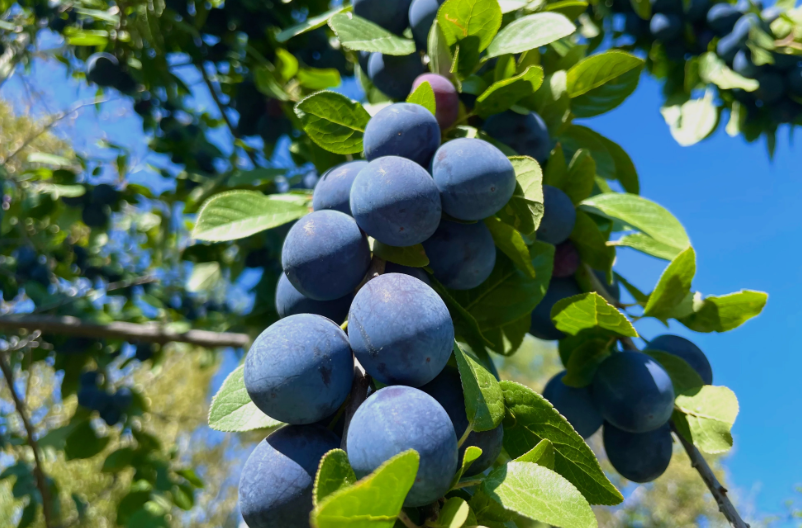
The climate of Wisconsin is classified as humid continental, with cold winters, warm summers, and noticeable seasonal changes throughout the year. Winters are often long and snowy, with freezing temperatures common across the state, while summers are generally warm and pleasant, providing good conditions for plant growth.
Wisconsin receives moderate precipitation spread fairly evenly throughout the year. Snowfall during winter helps protect plant roots by insulating the soil, while spring and summer rains provide essential moisture for crops and fruit trees. Areas near the Great Lakes often experience slightly milder temperatures compared to inland regions.
The growing season in Wisconsin is shorter than in warmer states, usually lasting from late spring to early fall. Fruit trees must tolerate cold winters and be able to develop fruit within this limited frost-free period. Winter chilling hours are plentiful, which benefits many temperate fruit varieties.
Fruit trees that grow well in Wisconsin are typically cold-hardy and adapted to cooler climates. Trees that can survive freezing temperatures and late frosts perform best. Choosing hardy rootstocks and planting in sunny, sheltered locations helps improve survival and fruit production.
Good orchard care is important due to the state’s climate conditions. Well-drained soil prevents waterlogging during snowmelt, while pruning improves airflow and sunlight exposure. Mulching helps regulate soil temperature and conserve moisture during warmer months. Protection from strong winter winds can also reduce damage.
Fruit Trees That Grow Well in Wisconsin
Apple Trees
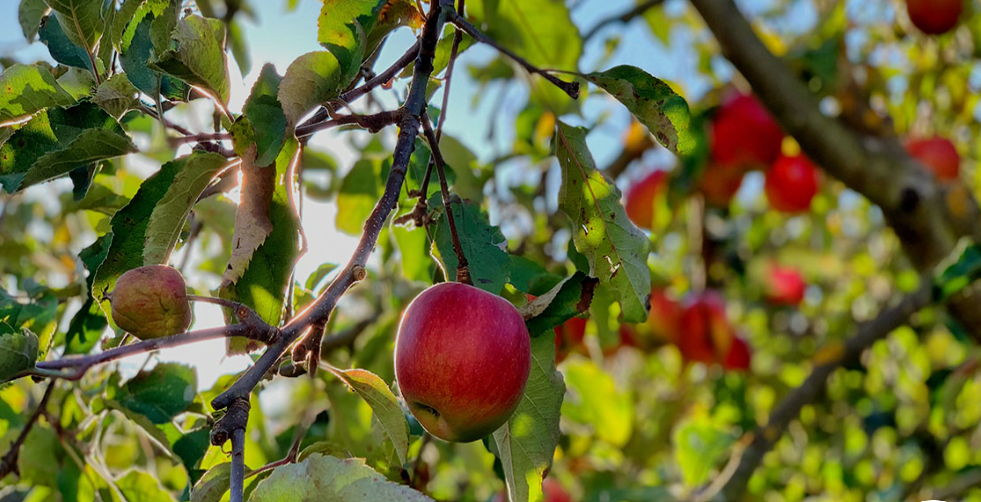
Apple trees are the most successful and widely grown fruit trees in Wisconsin, thriving throughout the state with its 1000-1600+ chill hours. Varieties like Honeycrisp (developed at the University of Minnesota), Haralson, Cortland, McIntosh, Liberty, and State Fair tolerate Wisconsin’s harsh winters to -40°F.
The state’s cold winters provide excellent dormancy and reduce pest pressure, and Wisconsin has a strong apple-growing tradition with commercial orchards throughout the state. With proper disease management for apple scab and fire blight, apples produce abundantly for decades in Wisconsin’s ideal climate.
Pear Trees
Pear trees grow successfully in Wisconsin when cold-hardy varieties are selected for the state’s harsh winters. European varieties like Parker, Patten, Ure, and Summercrisp (developed for cold climates) tolerate Wisconsin conditions, while Asian pears like Shinseiki also succeed.
Southern Wisconsin has milder winters more favorable for a wider range of pears, while northern areas require the hardiest varieties. Fire blight resistance is important, and pears generally perform better in southern and central Wisconsin where growing seasons are longer and winters slightly less severe.
Plum Trees
Plum trees, particularly hardy hybrid varieties and native American plums, excel in Wisconsin’s cold climate. Hardy hybrids like Toka, Superior, Underwood, Pipestone, and LaCrescent tolerate -40°F or colder and were specifically bred for northern conditions.
Native American plums grow wild in Wisconsin and are exceptionally hardy. European plums like Mount Royal also succeed in protected sites. Wisconsin’s winters provide adequate chilling, and plums are among the most reliable stone fruits for the state, producing sweet fruit for fresh eating and preserves.
Cherry Trees
Sour cherry varieties are the most reliable cherries for Wisconsin, with Montmorency, North Star, Meteor, and Mesabi tolerating harsh winters throughout the state. These self-pollinating cherries are cold-hardy to -40°F and produce tart fruit excellent for pies and preserves.
Sweet cherries are more challenging but can succeed in Door County and southern Wisconsin where Lake Michigan moderates temperatures. Wisconsin’s cherry production is concentrated in Door County, where the Great Lakes effect creates favorable microclimates for both sweet and sour cherries.
Apricot Trees
Apricot trees are challenging in Wisconsin due to early blooming that makes them vulnerable to late spring frosts, but hardy varieties can survive in protected sites. Manchurian apricot varieties and cultivars like Moongold, Sungold, and Scout tolerate Wisconsin’s cold winters but rarely produce consistent crops due to unpredictable spring weather.
Southern Wisconsin has better apricot success than northern regions, and planting on north-facing slopes to delay bloom improves fruiting odds. While unreliable, apricots can produce excellent fruit during favorable years.
Crabapple Trees
Crabapple trees are exceptionally well-suited to Wisconsin, with many varieties tolerating extreme cold to -50°F while producing abundant fruit. Varieties like Dolgo, Rescue, Chestnut, Centennial, and Whitney are proven Wisconsin performers.
Crabapples are more cold-hardy and disease-resistant than standard apples, bloom later to avoid frost damage, and produce reliably throughout Wisconsin. The tart fruits make excellent jellies and preserves, and crabapples’ extreme hardiness, spring flowers, and reliable production make them among the best fruit trees for Wisconsin’s harsh climate.
Serviceberry (Juneberry)
Serviceberry trees are native to Wisconsin and produce sweet, blueberry-like fruits in early summer while thriving in the state’s climate. These multi-stemmed trees reach 15-25 feet tall and provide beautiful white spring flowers, edible June berries, and brilliant fall color.
Serviceberries are extremely cold-hardy to -50°F, pest-resistant, and low-maintenance, thriving throughout Wisconsin in various soil types. The fruits are delicious fresh or in preserves, and the trees’ multi-season ornamental interest and native status make them valuable landscape plants for Wisconsin.
Elderberry Bushes
Elderberry bushes thrive throughout Wisconsin, producing clusters of dark purple berries rich in antioxidants and immune-supporting compounds. These native shrubs reach 8-12 feet tall and produce abundant berries in late summer despite Wisconsin’s variable weather.
Elderberries tolerate cold to -40°F, wet soils, and various conditions while requiring little maintenance. Improved varieties like Adams, York, Nova, and Wyldewood produce larger berries, and elderberries’ adaptability to Wisconsin conditions makes them reliable producers for health-conscious gardeners.
Haskap (Honeyberry)
Haskap or honeyberry is an emerging fruit crop that thrives in Wisconsin’s cold climate, producing blue, elongated berries with unique flavor. These Siberian honeysuckle relatives are cold-hardy to -55°F and produce fruit extremely early in the season, often in May or early June.
Haskaps require cross-pollination from compatible varieties and prefer cool climates, making Wisconsin ideal. Varieties like Borealis, Tundra, and Aurora are well-suited to Wisconsin and are gaining popularity as gardeners discover their exceptional cold hardiness and early fruiting.
Chokecherry
Chokecherry is native to Wisconsin and produces tart, astringent berries perfect for jellies, syrups, and traditional uses. These extremely cold-hardy shrubs or small trees tolerate Wisconsin’s worst winters to -50°F, drought, and various soil conditions.
Chokecherries bloom later than cultivated cherries, avoiding frost damage, and produce reliably every year throughout Wisconsin. While too tart for fresh eating, chokecherries make excellent preserves and have been used by Wisconsin’s indigenous peoples and settlers for generations as a dependable wild fruit crop.
Currants and Gooseberries
Currants and gooseberries thrive in Wisconsin’s cool climate and were historically important crops before being banned due to white pine blister rust concerns. The ban was lifted in many Wisconsin counties, and these fruits are experiencing renewed popularity.
Black, red, and white currants along with gooseberries tolerate cold to -40°F or below and produce abundantly in Wisconsin’s cool summers. These fruits are excellent for jams, jellies, and pies, and they require minimal care while providing reliable crops in Wisconsin’s climate.
Mulberry Trees
Mulberry trees grow successfully in southern and central Wisconsin, tolerating cold winters while producing abundant sweet berries. Illinois Everbearing and native red mulberries are most cold-hardy for Wisconsin conditions, surviving to around -25°F to -30°F.
These fast-growing trees begin fruiting within a few years and require virtually no pest management. Northern Wisconsin is too cold for most mulberries, but southern areas can successfully grow these productive trees that tolerate various soil types and provide abundant berries in late spring and summer.
Hawthorn
Hawthorn species, both native and cultivated varieties, produce small apple-like fruits called haws used for jellies and traditional medicines. These extremely hardy small trees tolerate Wisconsin’s cold, variable soils, and harsh conditions while providing spring flowers and fall fruit.
Native Wisconsin hawthorns are exceptionally well-adapted, and cultivated varieties selected for cold hardiness also succeed throughout the state. While not traditional fruit trees, hawthorns provide edible harvests, thorny branches for wildlife, and extreme cold hardiness suitable for Wisconsin landscapes.
Nanking Cherry
Nanking cherry is an exceptionally hardy Chinese bush cherry producing small, tart-sweet cherries on compact shrubs that tolerate Wisconsin winters. These ornamental-fruiting shrubs are cold-hardy to -40°F and produce fragrant pink flowers followed by abundant bright red cherries.
Nanking cherries ripen in early to mid-summer and are more reliable than standard cherries in Wisconsin conditions. While the fruits are small and best processed into jams or syrups, Nanking cherries are productive, attractive, and far more dependable than sweet cherries in Wisconsin’s harsh climate.
American Plum
American plum is native to Wisconsin and grows wild throughout the state, producing small, tart plums perfect for jellies and preserves. These hardy, thicket-forming trees tolerate Wisconsin’s extreme cold to -40°F or lower, drought, and poor soils.
American plums bloom early with fragrant white flowers and produce red to yellow fruits in summer. While too tart for fresh eating, the plums make excellent preserves, and the trees require zero maintenance while providing wildlife food, spring beauty, and native adaptation to Wisconsin’s challenging climate.
Pawpaw Trees
Pawpaw trees are at their northern range limit but can grow in extreme southern Wisconsin in protected sites with adequate heat and shelter. These native trees are cold-hardy enough to survive Wisconsin winters in southern counties but require warm, long growing seasons to ripen their tropical-tasting fruits.
Pawpaws prefer partial shade, moist soil, and protection from wind, and they need cross-pollination from genetically distinct trees. While challenging and only suitable for Wisconsin’s warmest areas, pawpaws can succeed in favorable southern Wisconsin microclimates with dedication and patience.