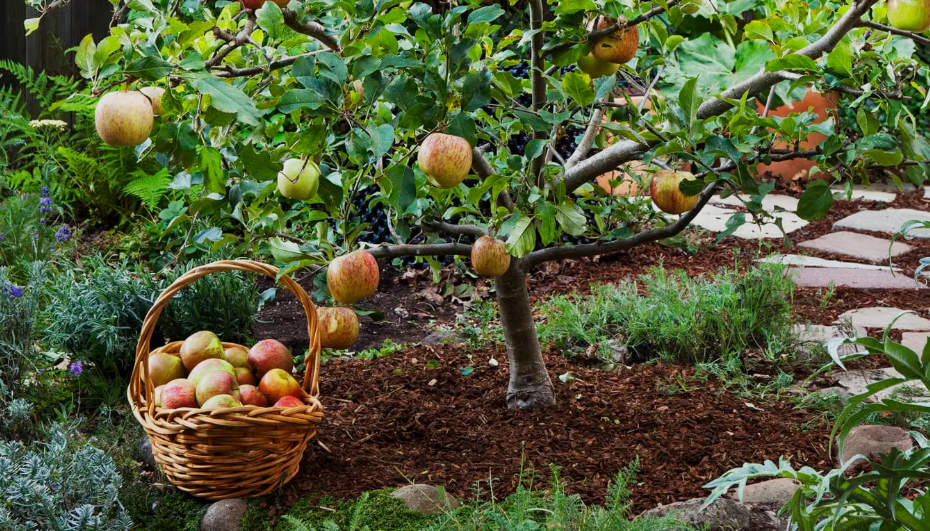
USDA Zone 4, classified by the United States Department of Agriculture plant hardiness system, has a cold temperate climate with long, harsh winters and short, mild summers. Average winter minimum temperatures usually range between about −34°C and −29°C (−30°F to −20°F). These cold conditions limit plant choices to very hardy species.
Zone 4 experiences strong seasonal contrasts. Winters are long with heavy snowfall and extended freezing periods, while summers are relatively short but provide enough warmth and sunlight for plants to grow quickly. Spring often arrives late, and early autumn frosts can shorten the growing season.
Precipitation in Zone 4 is generally moderate, with snowfall contributing significantly to annual moisture levels. Snow cover helps insulate plant roots from extreme cold, protecting hardy fruit trees during winter dormancy. Good drainage is still important because melting snow can lead to overly wet soil in spring.
Fruit trees that grow well in USDA Zone 4 must be extremely cold-hardy and capable of completing their growth cycle within a short season. Trees that bloom later in spring are especially valuable because they avoid damage from late frosts. Selecting hardy rootstocks also improves survival and productivity.
Proper care is essential for fruit growing in this zone. Planting trees in sunny, sheltered locations helps protect them from cold winds. Mulching conserves soil moisture and stabilizes soil temperature, while regular pruning strengthens tree structure and encourages healthy fruit production.
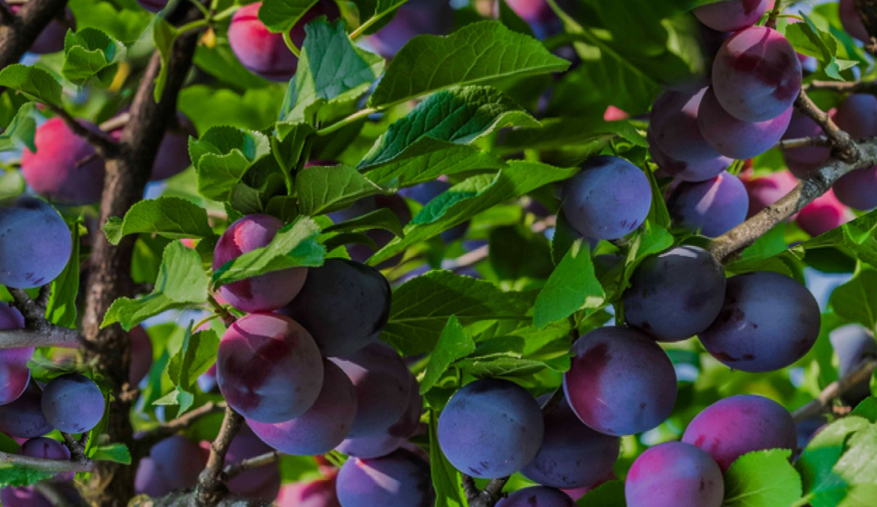
Fruit Trees That Grow Well In USDA Zone 4
Apple Trees
Apple trees are the most successful fruit trees for Zone 4 when ultra-cold-hardy varieties are selected. Varieties like Haralson, Honeycrisp, State Fair, Wealthy, Norland, Zestar, and Sweet Sixteen tolerate -40°F or colder and were specifically bred for northern climates.
These hardy apples provide excellent flavor and productivity despite Zone 4’s harsh winters and short growing season. The University of Minnesota has developed numerous Zone 4-hardy varieties, and with proper care, apples produce reliably and abundantly, making them the backbone of Zone 4 fruit growing.
Crabapple Trees
Crabapple trees are exceptionally well-suited to Zone 4, with many varieties tolerating extreme cold to -50°F while producing abundant fruit. Varieties like Dolgo, Rescue, Chestnut, Centennial, Whitney, and Kerr are proven Zone 4 performers.
Crabapples bloom later than standard apples, avoiding late frost damage, and they’re more cold-hardy and disease-resistant. The tart fruits make excellent jellies, sauces, and preserves, and crabapples’ extreme hardiness, reliable production, ornamental spring flowers, and wildlife value make them among the best fruit trees for Zone 4.
Plum Trees
Plum trees, particularly native American plums and hardy hybrid varieties, succeed in Zone 4’s harsh climate. American plums are native to Zone 4 regions and tolerate extreme cold, wind, and drought while producing small, tart fruits excellent for preserves.
Hardy hybrid plums like Toka, Superior, Pembina, Underwood, and LaCrescent combine extreme cold tolerance (to -40°F or lower) with larger, sweeter fruit. These exceptionally hardy plums were bred specifically for northern climates and are among the most reliable stone fruits for Zone 4.
Sour Cherry Trees
Sour cherry varieties, particularly Meteor, North Star, Evans cherry, and Carmine Jewel, can survive Zone 4 winters and produce tart cherries for pies and preserves. These ultra-hardy cherries tolerate -40°F or colder and are far more reliable than sweet cherries in Zone 4.
Evans cherry (a Mongolian cherry hybrid) and the University of Saskatchewan Romance series (Carmine Jewel, Crimson Passion, Juliet) are especially cold-hardy and productive. Sweet cherries generally fail in Zone 4 due to inadequate hardiness, but sour cherries can produce reliably when planted in favorable sites.
Pear Trees
Pear trees have limited success in Zone 4 but ultra-hardy varieties like Ure, John, Parker, Golden Spice, and Loma can survive and produce in protected locations. These exceptionally hardy pears tolerate -40°F or colder and were specifically bred for northern plains conditions. Pears require sheltered sites, preferably on south-facing slopes, and are more successful in the warmer parts of Zone 4.
While more challenging than apples or plums, cold-hardy pears can produce sweet fruit in favorable microclimates with proper variety selection and site placement.
Saskatoon (Serviceberry)
Saskatoon serviceberry is native to Zone 4 regions and produces sweet, blueberry-like berries while tolerating extreme cold, drought, and harsh conditions. These large shrubs or small trees reach 12-20 feet tall and are cold-hardy to -50°F or lower.
Saskatoons provide beautiful white spring flowers, delicious nutritious berries in June, and brilliant fall color while thriving in Zone 4’s challenging climate. Varieties like Smoky, Northline, and Thiessen offer improved fruit size and yields, and they’re among the most reliable fruit producers for Zone 4 with minimal care requirements.
Chokecherry
Chokecherry is native throughout Zone 4 regions and produces tart, astringent berries perfect for jellies, syrups, and wine. These extremely cold-hardy shrubs or small trees tolerate Zone 4’s worst conditions including extreme cold to -50°F, drought, wind, and poor soils.
Chokecherries bloom later than cultivated cherries, avoiding frost damage, and they produce reliably every year. While too tart for fresh eating, chokecherries make excellent preserves and have been used by indigenous peoples and settlers for generations as a dependable wild fruit in harsh climates.
Haskap (Honeyberry)
Haskap or honeyberry is exceptionally well-suited to Zone 4, producing blue, elongated berries with unique blueberry-raspberry flavor extremely early in the season. These Siberian honeysuckle relatives are cold-hardy to -55°F and were bred for harsh northern climates.
Haskaps require cross-pollination from compatible varieties, and cultivars like Borealis, Tundra, Aurora, and Indigo Gem thrive in Zone 4. They produce fruit in May or early June, prefer cool summers, and are becoming increasingly popular as Zone 4 gardeners discover their exceptional hardiness and early fruiting.
Nanking Cherry
Nanking cherry is an exceptionally hardy Chinese bush cherry producing small, tart-sweet cherries on compact shrubs that tolerate Zone 4 winters to -40°F. These ornamental-fruiting shrubs produce fragrant pink flowers in spring followed by abundant bright red cherries in early summer.
Nanking cherries are more reliable than standard cherries in Zone 4 conditions, and while the fruits are small and best processed into jams, jellies, or syrups, they’re productive, attractive, and far more dependable than sweet cherries in Zone 4’s harsh climate.
Currants and Gooseberries
Currants and gooseberries thrive in Zone 4’s cool climate and are among the most reliable fruit-producing plants for the zone. Black, red, and white currants along with gooseberries tolerate extreme cold to -40°F or below and prefer the cool summers found in Zone 4.
These fruits produce abundantly with minimal care, and varieties like Consort, Red Lake, and Pixwell are proven Zone 4 performers. The berries are excellent for jams, jellies, pies, and fresh eating, and these plants require minimal care while producing reliable crops.
Apricot (Manchurian)
Manchurian apricot varieties are among the few apricots hardy enough for Zone 4, tolerating extreme cold but rarely producing consistent fruit crops. Varieties like Moongold, Sungold, and Scout survive Zone 4 winters but bloom very early, making them vulnerable to late spring frosts.
While the trees themselves are cold-hardy to -40°F, fruit production is unreliable due to unpredictable spring weather. Manchurian apricots are often grown more as ornamental trees for their early spring flowers, with occasional fruit production during favorable years being a bonus.
Sea Buckthorn
Sea buckthorn is an extremely hardy shrub producing vitamin-rich orange berries and tolerating Zone 4’s harshest conditions including cold below -45°F. These thorny, nitrogen-fixing shrubs thrive in poor soils, drought, wind, and extreme temperatures.
Sea buckthorn requires both male and female plants for fruiting, and the tart, nutritious berries are used for juice, oil, and health products. While challenging to harvest due to thorns and very tart flavor, sea buckthorn’s extreme hardiness and exceptional nutritional value make it valuable for Zone 4’s challenging growing conditions.
Elderberry Bushes
Elderberry bushes, particularly cold-hardy varieties, thrive in Zone 4 producing clusters of dark purple berries rich in antioxidants. These native shrubs reach 8-12 feet tall and tolerate Zone 4’s cold winters to -40°F while producing abundant berries in late summer.
Varieties like Adams, York, and Johns are proven Zone 4 performers. Elderberries tolerate wet soils, variable conditions, and harsh weather while requiring little maintenance. The berries are excellent for immune-supporting syrups, wines, and jellies, and elderberries’ adaptability makes them reliable producers for Zone 4.
Mountain Ash
Mountain ash produces clusters of orange-red berries that persist into winter and can be used for jellies despite their bitter taste. These ornamental trees are extremely cold-hardy to -50°F, tolerating Zone 4’s harsh winters while providing spring flowers and colorful fall berries. European and native American mountain ash both tolerate Zone 4’s challenging conditions.
While not typically cultivated for fruit due to bitterness requiring careful processing, mountain ash berries can be made into preserves, and the trees’ extreme hardiness and wildlife value make them useful for Zone 4 landscapes.
Hawthorn
Hawthorn species, both native and cultivated varieties, produce small apple-like fruits called haws that can be used for jellies and traditional medicines. These extremely hardy small trees tolerate Zone 4’s cold to -40°F or lower, drought, wind, and poor soils while providing spring flowers and fall fruit.
Native Zone 4 hawthorns are exceptionally well-adapted, and cold-hardy cultivated varieties also succeed. While not traditional fruit trees, hawthorns provide edible harvests, thorny branches valuable for wildlife, and extreme cold hardiness perfect for Zone 4’s challenging climate and short growing season.