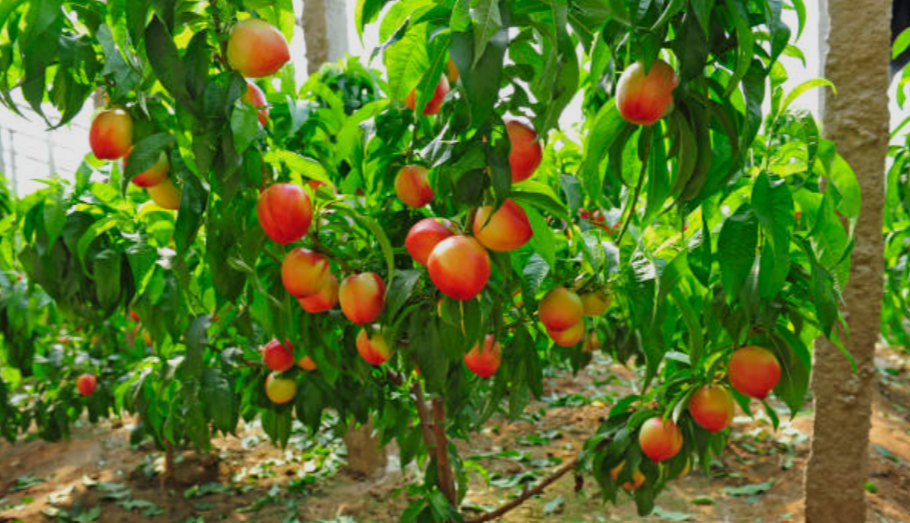
Some fruit trees are naturally adapted to shaded conditions and can survive with limited sunlight. While most fruiting plants prefer full sun, these shade-tolerant varieties have evolved to grow under the canopy of taller trees or in areas where sunlight is filtered. Their leaves are often broader or thinner to capture more light, allowing them to photosynthesize efficiently even in low-light conditions.
Shade-tolerant fruit trees usually grow more slowly than those in full sun. Their energy is often directed toward establishing strong roots and healthy foliage before producing fruit. While fruit yields may be smaller in shaded areas, careful care and maintenance can help these trees still produce a satisfactory harvest.
Soil quality is particularly important for fruit trees in shade. Since sunlight is limited, trees rely on nutrient-rich soil to support growth and fruiting. Well-draining soil enriched with compost or organic matter ensures the roots get enough nutrients and moisture, which compensates for the lower energy produced through photosynthesis.
Partial shade can also protect fruit trees from heat stress. In areas with hot climates, shaded conditions prevent leaves and fruits from scorching, reduce water loss, and help maintain steady growth. This makes shaded spots suitable for trees that are sensitive to intense sunlight or extreme temperatures.
Fruit Trees That Grow In Shade
Persimmon
Persimmon trees are quite tolerant of partial shade, especially when young. They produce sweet, orange-colored fruits and can adapt to areas where sunlight is limited for part of the day. While full sun encourages the best fruiting, they can still grow healthily in filtered or dappled shade.
Pawpaw
Pawpaw trees are naturally understory trees, meaning they thrive in the shade of taller trees. They prefer partial shade when young to protect their delicate leaves but can tolerate some sun as they mature. The fruits are tropical-like, custard-textured, and best developed in areas with filtered sunlight.
Mulberry
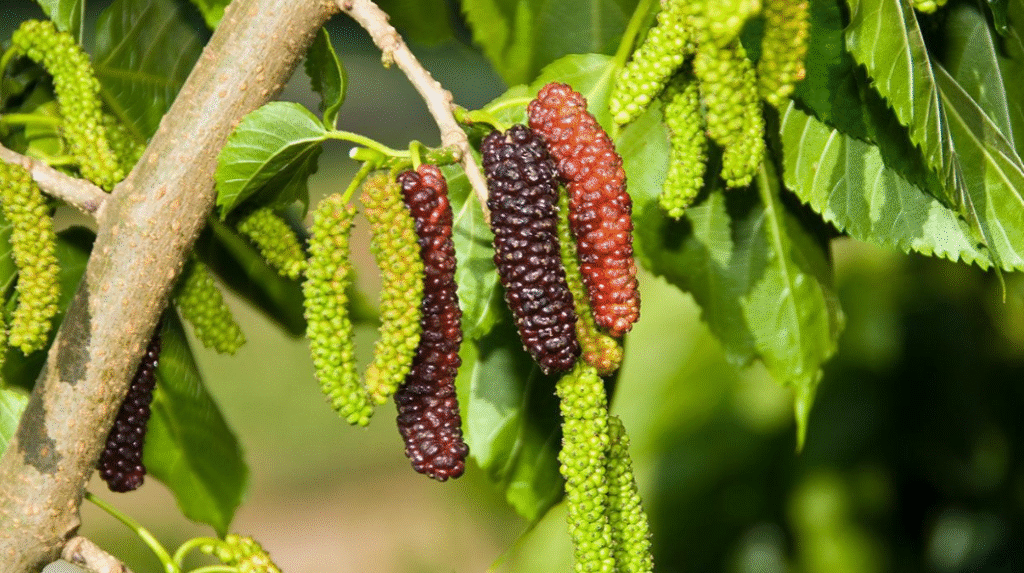
Mulberry trees can grow in locations with partial shade, though fruiting may be lighter than in full sun. Their adaptability makes them suitable for shaded gardens or edges of forests. They produce sweet, juicy berries that can still ripen under dappled sunlight.
Cherry
Certain cherry trees, particularly sour varieties, can tolerate partial shade. They require at least a few hours of sunlight daily to fruit properly, but they can survive in less-than-ideal light conditions. Their spring blossoms remain vibrant even with some shade.
Elderberry
Elderberry bushes and small trees do well in partial shade, especially in climates with hot summers. They produce clusters of small, dark berries that are edible when cooked and often used in syrups or jams. Shade can actually help protect the delicate flowers from intense sun.
Serviceberry
Serviceberry trees are adaptable and grow in partial shade. They produce small, sweet fruits that attract birds and wildlife. While full sun encourages better yields, serviceberries can thrive in filtered light under taller trees or in the corners of gardens.
Gooseberry
Gooseberries are shade-tolerant and can grow under trees or in areas with morning sun and afternoon shade. The berries are tart but flavorful, and the plants benefit from cooler, shaded conditions, which can reduce stress and fruit burn in hot climates.
Blueberry
Blueberry bushes thrive in partial shade, especially in hotter climates where too much direct sun can scorch the leaves. While full sun produces more fruit, shaded areas can still yield a healthy harvest of sweet, nutrient-rich berries. Acidic soil helps them grow even in less-than-ideal light conditions.
Blackcurrant
Blackcurrant plants do well in partial shade and can even prefer it in regions with intense sunlight. They produce clusters of tart, dark berries rich in vitamin C. Shade can help protect the foliage from heat stress, allowing for a steady fruiting season.
Raspberries
Raspberry bushes tolerate partial shade, though fruit production may be somewhat reduced compared to full sun. They can grow along shaded fences or the edges of trees, producing juicy, red or black berries. Shade can also help prevent the delicate fruits from drying out too quickly.
Strawberry Tree (Arbutus)
The strawberry tree, not to be confused with regular strawberries, is a small fruiting tree that tolerates partial shade. It produces bright red, edible fruits and can grow under taller trees or in gardens where sunlight is limited. The tree also has attractive foliage and flowers.
Hazelnut
Hazelnut trees can grow in light shade, particularly when young. They produce edible nuts that are used in cooking and baking. Partial shade slows down growth slightly but still allows the tree to establish a strong root system and eventually bear nuts successfully.
Currants
Red, white, and pink currants tolerate shaded conditions well. They produce small, tart berries in clusters and grow best in cooler, filtered light. Shade helps reduce the risk of leaf burn and keeps the fruit from drying out, ensuring good quality harvests.
Kiwi (Hardy Varieties)
Hardy kiwi vines can grow in partial shade, though they prefer at least a few hours of sunlight daily. In shaded areas, growth is slower, but the vines still produce small, sweet fruits. Shade-tolerant kiwi varieties are ideal for gardens with trees or structures that block intense afternoon sun.
Medlar
Medlar trees can tolerate partial shade, especially in areas with hot summers. They produce small, unique fruits that are traditionally eaten when softened. While full sun improves fruit size, shaded conditions help protect the delicate blossoms from heat stress.
Nanking Cherry
Nanking cherry is a small, hardy tree that can grow in partial shade. It produces tart, red fruits suitable for jams and jellies. Shade helps protect its leaves and fruit from excessive sun, allowing for consistent growth in less sunny garden spots.
Autumn Olive
Autumn olive trees can adapt to partial shade and still produce small, edible fruits. They are hardy and fast-growing, often used for hedges or naturalized areas. Shaded environments help reduce stress on the foliage while maintaining fruit production.
Sea Buckthorn
Sea buckthorn bushes tolerate partial shade, although full sun encourages maximum fruiting. The orange berries are nutrient-rich, and shaded conditions can help prevent the leaves from drying out in hotter climates. These plants are resilient and hardy in various soil types.
Whitebeam
Whitebeam trees can grow in light shade and produce small, berry-like fruits. They are ornamental as well as functional, providing food for wildlife. Shade helps protect the fruits and foliage, making them suitable for woodland gardens or shaded edges.
Chokeberry (Aronia)
Chokeberry bushes tolerate partial shade well. They produce dark, astringent berries that are high in antioxidants. Shade helps reduce heat stress and leaf scorch, allowing the plants to focus energy on fruit production rather than coping with intense sunlight.
Serviceberry (Alternate Varieties)
Certain serviceberry varieties specifically thrive in filtered shade. While they were mentioned before in general, some cultivars are particularly suited for shaded areas, producing sweet, edible berries even under a tree canopy or along shaded pathways.