Pennsylvania has a humid continental climate, meaning it experiences four distinct seasons throughout the year. Winters are cold, often bringing snow and freezing temperatures, while summers are warm and sometimes humid. Spring and autumn are moderate seasons that provide important growing periods for many plants and fruit trees.
The state receives fairly consistent rainfall spread across the year, which helps support agriculture and natural vegetation. However, weather conditions can vary between regions, with northern and mountainous areas being cooler and southern parts experiencing slightly longer growing seasons. These variations influence what types of fruit trees grow best.
Pennsylvania’s winters play an important role in fruit production because many fruit trees require a period of winter chilling to produce flowers and fruit properly. Cold temperatures help trees rest during dormancy, preparing them for strong growth and blooming once spring arrives.
Fruit trees that grow well in Pennsylvania are usually cold-hardy and able to tolerate seasonal temperature changes. Trees suited to temperate climates perform best because they can survive frost while still taking advantage of warm summer conditions for fruit development. Proper site selection, sunlight, and soil drainage are important for success.
The state’s fertile soils and moderate rainfall make it suitable for home orchards and commercial fruit farming. Gardeners often plant trees in areas with full sun and protection from strong winter winds. Regular pruning and seasonal care help trees remain productive year after year.
Fruit Trees that Grow Well In Pennsylvania
Apple Trees
Apple trees are exceptionally well-suited to Pennsylvania’s climate, with the state having a long history of apple cultivation and production. Varieties like Honeycrisp, Gala, Fuji, Granny Smith, Jonathan, and Rome Beauty thrive throughout Pennsylvania with its 800-1200+ chill hours.
The state’s cold winters provide adequate dormancy, and apples are among the most reliable and productive fruit trees for Pennsylvania orchards and backyards. Pennsylvania ranks among the top apple-producing states, and with proper variety selection and disease management, apples can produce abundantly for decades.
Peach Trees
Peach trees grow successfully throughout Pennsylvania, particularly in the southeastern and south-central regions including the famous Adams County peach belt. Varieties like Redhaven, Cresthaven, Madison, and Elberta require 750-950 chill hours that most of Pennsylvania provides.
While late spring frosts can occasionally damage blossoms, proper site selection on slopes with good air drainage minimizes risk. Pennsylvania peaches develop exceptional flavor in the state’s climate, and with attention to disease management including leaf curl and brown rot, peaches can be highly productive.
Pear Trees
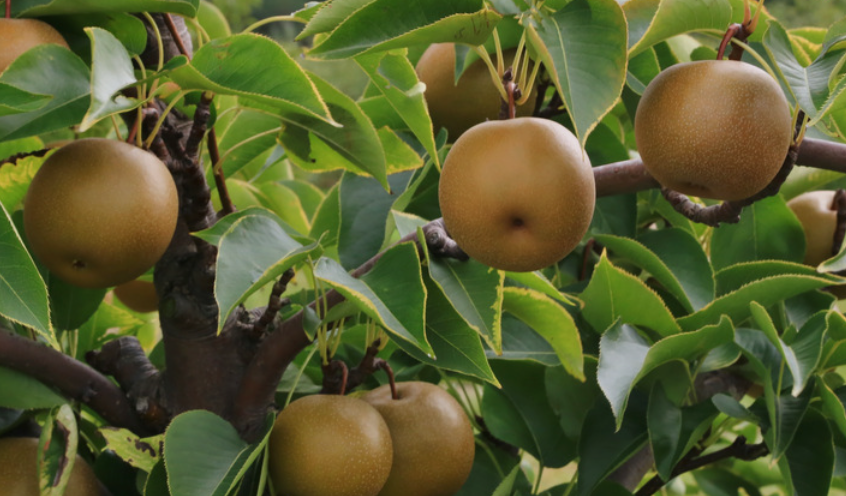
Pear trees thrive in Pennsylvania’s climate, tolerating cold winters while producing sweet, juicy fruit with proper care. European varieties like Bartlett, Bosc, Seckel, and D’Anjou perform well, as do Asian pears like 20th Century and Shinseiki.
Pears require cross-pollination from another variety and benefit from fire blight-resistant selections given Pennsylvania’s humid summers. These trees are generally easier to grow than apples in Pennsylvania, and they provide beautiful spring blossoms and reliable fall harvests when disease-resistant varieties are chosen.
Cherry Trees
Both sweet and sour cherry trees grow successfully in Pennsylvania, with sour cherries being particularly reliable and productive. Montmorency and North Star sour cherries thrive throughout the state and are self-pollinating, making them ideal for home orchards.
Sweet cherries like Bing, Rainier, and Stella succeed in areas with good air drainage and adequate chill hours, though they’re more challenging than sour types. Pennsylvania’s climate provides excellent conditions for cherry production, and the state has a tradition of cherry cultivation dating back generations.
Plum Trees
Plum trees, including European, Japanese, and hybrid varieties, perform excellently in Pennsylvania’s four-season climate. European plums like Stanley, Italian, and Damson are exceptionally cold-hardy and produce well for preserves and fresh eating. Japanese plums like Santa Rosa, Methley, and Shiro require cross-pollination but produce earlier in the season.
Pennsylvania’s winters provide adequate chilling for most plum varieties, and these adaptable trees handle the state’s climate variations while producing reliable crops with minimal care.
Apricot Trees
Apricot trees can succeed in Pennsylvania though they’re more challenging than other stone fruits due to early blooming that makes them vulnerable to late frosts. Varieties like Harcot, Harlayne, and Goldcot are among the most reliable for Pennsylvania, particularly when planted on north-facing slopes to delay blooming.
While not every year produces crops due to frost risk, apricots can thrive in Pennsylvania’s climate during favorable seasons, and the beautiful early spring blossoms make them worthwhile even in years when fruit doesn’t set.
Persimmon Trees
American persimmon trees are native to Pennsylvania and exceptionally well-adapted to the state’s climate, tolerating cold winters and producing sweet fall fruit. Asian persimmon varieties like Fuyu and Nikita’s Gift also succeed in Pennsylvania with proper selection of cold-hardy cultivars.
Persimmons are low-maintenance, pest-resistant trees that provide sweet fruit after frost, attractive foliage, and interesting bark. Native persimmons are incredibly hardy, while Asian varieties require careful cultivar selection for adequate cold tolerance in Pennsylvania’s winters.
Pawpaw Trees
Pawpaw trees are native to Pennsylvania and produce tropical-tasting fruits despite being completely cold-hardy throughout the state. These understory trees naturally grow in Pennsylvania forests and adapt well to cultivation in partially shaded sites. Pawpaws require cross-pollination from genetically distinct seedlings, and while they take 4-8 years to begin fruiting, they produce unique custard-like fruits with banana-mango-vanilla flavors.
Pennsylvania’s climate is ideal for pawpaws, and these native trees are experiencing renewed interest among fruit enthusiasts and home orchardists.
Fig Trees
Fig trees can grow in Pennsylvania with winter protection or by using cold-hardy varieties and specific cultivation techniques. Chicago Hardy and Brown Turkey figs can succeed when planted in protected locations, heavily mulched, or grown as “die-back” figs that regrow and fruit on new wood each year.
Some Pennsylvania gardeners successfully overwinter figs by wrapping or burying plants, and in-ground or container cultivation with winter storage indoors allows fig growing throughout the state despite challenging winters.
Quince Trees
Quince trees grow successfully in Pennsylvania, producing aromatic, golden fruits used for jellies, preserves, and baking. These small trees bloom late enough to avoid most frost damage and tolerate Pennsylvania’s winters well. Quinces are self-pollinating, relatively pest-free, and low-maintenance, requiring minimal spraying compared to apples or peaches.
While rarely eaten fresh due to hard, astringent flesh, cooked quinces develop beautiful pink color and complex flavors, and the trees’ attractive spring blossoms and fall fruits add ornamental value to Pennsylvania landscapes.
Mulberry Trees
Mulberry trees thrive throughout Pennsylvania, tolerating the state’s climate extremes while producing abundant sweet berries with minimal care. Illinois Everbearing, Pakistan, and native red mulberries all grow vigorously in Pennsylvania. These fast-growing, low-maintenance trees require virtually no pest management, tolerate various soil types, and begin producing within a few years.
Mulberries fruit in late spring through summer, and while messy, a single tree can provide abundant harvests for fresh eating, jams, and attracting beneficial wildlife.
Hazelnut Bushes
Hazelnut or filbert bushes, while not trees, grow as large woody shrubs producing nutritious nuts in Pennsylvania’s climate. American hazelnuts are native and extremely cold-hardy, while hybrid hazelnuts combining American and European genetics offer larger nuts with good cold tolerance.
These plants thrive in Pennsylvania, requiring cross-pollination and producing nuts in fall. Hazelnuts are relatively low-maintenance, provide wildlife habitat, and offer the satisfaction of homegrown nuts that store well and provide excellent nutrition.
Serviceberry Trees
Serviceberry trees are native to Pennsylvania and produce sweet, blueberry-like fruits in early summer while tolerating the state’s climate perfectly. These multi-stemmed trees reach 15-25 feet tall and provide beautiful white spring flowers, edible June berries, and brilliant fall color.
Serviceberries are extremely cold-hardy, pest-resistant, and low-maintenance, thriving in various Pennsylvania soil types and light conditions. The fruits are delicious fresh or in pies and jams, and the trees’ multi-season ornamental interest makes them valuable landscape plants beyond their edible harvests.
Elderberry Bushes
Elderberry bushes thrive throughout Pennsylvania, producing clusters of dark purple berries rich in antioxidants and immune-supporting compounds. These native shrubs reach 8-12 feet tall and produce abundant berries in late summer with minimal care. Elderberries tolerate Pennsylvania’s wet soils better than many fruits, require little maintenance, and the berries are excellent for syrups, wines, and jellies.
Multiple cultivars like Adams and York improve yields, and elderberries’ adaptability to Pennsylvania conditions makes them reliable producers for health-conscious gardeners.
American Chestnut (Blight-Resistant)
Blight-resistant American chestnut hybrids and backcross varieties are being reintroduced in Pennsylvania after the original trees were decimated by chestnut blight. These developing varieties combine American chestnut genetics with Chinese chestnut blight resistance, and Pennsylvania is a focal point for restoration efforts.
While not yet widely available, blight-resistant chestnuts represent hope for restoring this once-dominant Pennsylvania forest tree that produced sweet, nutritious nuts. Early-generation resistant trees are beginning to produce, offering Pennsylvania gardeners opportunities to participate in this important restoration.
Black Walnut Trees
Black walnut trees are native to Pennsylvania and produce valuable nuts and lumber while thriving in the state’s climate. These large, long-lived trees reach 50-75 feet tall and produce nuts encased in thick husks that ripen in fall. Black walnuts are extremely cold-hardy, drought-tolerant once established, and valuable for both nuts and timber.
The allelopathic properties affect nearby plants, so careful siting is important, but these native trees are well-adapted to Pennsylvania and provide nutritious nuts, though cracking the hard shells requires specialized equipment.
Pecan Trees (Northern Varieties)
Northern pecan varieties can succeed in warmer parts of Pennsylvania, particularly in the southeastern counties with longer growing seasons. Cold-hardy varieties like Kanza, Lakota, and Major can tolerate Pennsylvania winters and produce pecans in favorable years.
While pecans are at the northern edge of their range in Pennsylvania, dedicated growers in warmer microclimates can succeed with proper variety selection. These large trees take years to begin producing but can eventually yield valuable nut crops, representing a challenging but potentially rewarding fruit tree option for southern Pennsylvania.
Crabapple Trees
Crabapple trees thrive throughout Pennsylvania, providing spectacular spring flowers and tart fruits for jellies and preserves. Varieties like Dolgo, Chestnut, and Whitney are particularly productive, and disease-resistant selections ensure healthy trees with minimal spraying.
Crabapples are extremely cold-hardy, adaptable to Pennsylvania soils, and more tolerant of diseases than full-sized apples. The abundant small fruits make excellent preserves, and crabapples’ reliability, ornamental qualities, and multi-season interest make them valuable additions to Pennsylvania landscapes beyond their culinary uses.