The climate of Massachusetts is classified as humid continental, featuring cold winters, warm summers, and clear seasonal changes. Winters often bring snow, freezing temperatures, and coastal storms, while summers are generally mild to warm with occasional humidity. These seasonal patterns strongly influence plant growth and fruit production.
Massachusetts receives moderate rainfall throughout the year, helping maintain soil moisture for agriculture and gardens. Coastal areas tend to have slightly milder winters due to the influence of the Atlantic Ocean, while inland regions experience colder temperatures. These regional differences affect which fruit trees perform best.
The growing season in Massachusetts usually runs from late spring through early fall. Cold winters provide important chilling hours needed by many fruit trees to rest and prepare for flowering. However, late spring frosts can sometimes damage blossoms, so careful site selection is important.
Fruit trees that grow well in Massachusetts are typically cold-hardy and suited to temperate climates. Trees that can withstand freezing winter temperatures while taking advantage of warm summer conditions produce the most reliable harvests. Adequate sunlight and protection from strong winds help improve tree health.
Gardeners often plant fruit trees in well-drained soil to prevent root problems caused by snowmelt and seasonal rains. Regular pruning improves air circulation and sunlight exposure, reducing disease risk and encouraging better fruit quality. Mulching also helps regulate soil temperature and moisture.
Fruit Trees That Grow Well in Massachusetts
Apple Trees
Apple trees are exceptionally well-suited to Massachusetts and represent the state’s most successful and historically important fruit crop. Varieties like Honeycrisp, McIntosh, Cortland, Empire, Liberty, and Macoun thrive with Massachusetts’s 1000-1400+ chill hours.
The state’s cold winters provide excellent dormancy, reducing pest pressure and ensuring reliable fruiting. Massachusetts has a rich apple-growing heritage dating back centuries, and with proper disease management for apple scab and fire blight, apples produce abundantly throughout the state for decades.
Pear Trees
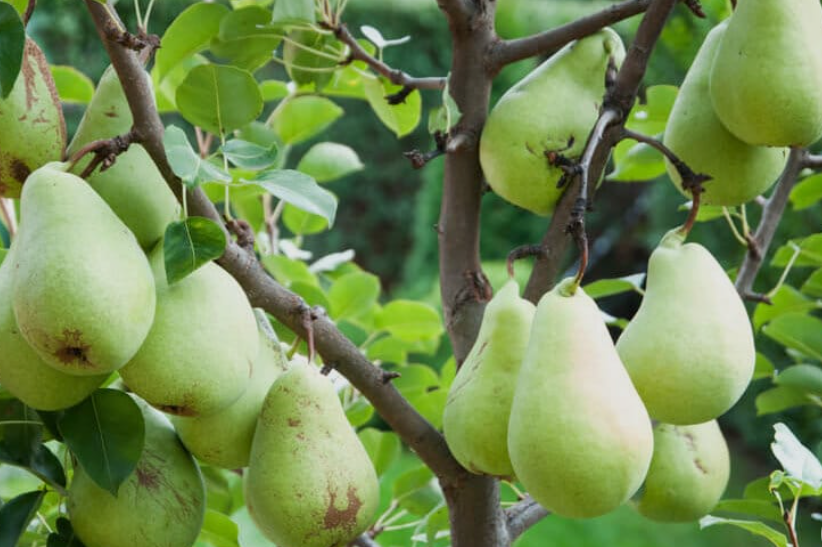
Pear trees thrive in Massachusetts, tolerating the state’s cold winters and humid summers while producing sweet, juicy fruit. European varieties like Bartlett, Bosc, Seckel, Anjou, and Clapp’s Favorite perform well, as do Asian pears like 20th Century and Shinseiki. Fire blight resistance is important given Massachusetts’s spring humidity, making variety selection crucial.
Pears require cross-pollination from another variety and are generally easier to grow than apples in Massachusetts while providing beautiful spring blossoms and reliable fall harvests.
Peach Trees
Peach trees can succeed in Massachusetts, particularly in southeastern regions and protected microclimates with milder winters. Varieties like Reliance, Contender, Madison, and Redhaven are among the hardiest for Massachusetts conditions.
Cape Cod and coastal areas with moderated climates are most favorable, while inland areas face challenges from extreme cold and late spring frosts. While more challenging than apples or pears, peaches can produce in favorable Massachusetts locations with proper variety selection and site placement on well-drained slopes.
Cherry Trees
Both sweet and sour cherry trees grow successfully in Massachusetts, with sour cherries being particularly reliable statewide. Montmorency, North Star, and Meteor sour cherries are self-pollinating and exceptionally cold-hardy for Massachusetts. Sweet cherries like Black Tartarian, Stella, and Kristin can succeed in favorable locations, particularly near the coast.
Massachusetts’s cold winters provide necessary chill hours, and cherries produce well when planted in sites with good air drainage and protection from late spring frosts.
Plum Trees
Plum trees, particularly European varieties and hardy hybrids, perform excellently in Massachusetts’s four-season climate. European plums like Stanley, Italian, Mount Royal, and Damson are exceptionally cold-hardy and reliable.
Japanese plums are more challenging but varieties like Methley, Shiro, and Early Golden can succeed in protected sites. Massachusetts’s winters provide adequate chilling for plums, and these adaptable trees handle the state’s climate while producing reliable crops for fresh eating and preserves.
Apricot Trees
Apricot trees are challenging in Massachusetts due to early blooming that makes them vulnerable to late spring frosts, but they can succeed in favorable microclimates. Hardy varieties like Harcot, Harlayne, and Puget Gold are most reliable when planted on north-facing slopes to delay blooming.
While crops are inconsistent due to Massachusetts’s unpredictable spring weather, apricots are cold-hardy enough to survive, and successful years reward growers with delicious fruit that makes the challenge worthwhile.
Quince Trees
Quince trees are well-suited to Massachusetts, producing aromatic, golden fruits used for jellies, preserves, and baking. These small trees bloom late enough to avoid most frost damage and are exceptionally cold-hardy for Massachusetts winters. Quinces are self-pollinating, relatively pest-free, and low-maintenance compared to apples or pears.
While rarely eaten fresh due to hard, astringent flesh, cooked quinces develop beautiful pink color and complex flavors, making them valuable for preserves and traditional recipes.
Persimmon Trees
American persimmon trees can grow in southern and coastal Massachusetts where winters are milder, though they’re at their northern range limit. These native trees are cold-hardy to around -25°F but require long growing seasons to ripen fruit.
Asian persimmons are generally too tender for Massachusetts except in the warmest coastal microclimates. American persimmons that do establish in favorable Massachusetts locations provide unique sweet fall fruit, though growers should expect challenges and choose protected sites.
Pawpaw Trees
Pawpaw trees can grow in Massachusetts, particularly in southern and central regions with protected sites and adequate growing season warmth. These native trees are cold-hardy enough for Massachusetts winters but require warm summers to ripen their tropical-tasting fruits.
Pawpaws prefer partial shade, moist soil, and protection from wind, and they need cross-pollination from genetically distinct trees. While at the northern edge of reliable fruiting range, pawpaws can succeed in favorable Massachusetts microclimates with patience and proper site selection.
Serviceberry Trees
Serviceberry trees are native to Massachusetts and produce sweet, blueberry-like fruits in early summer while thriving in the state’s climate. These multi-stemmed trees reach 15-25 feet tall and provide beautiful white spring flowers, edible June berries, and brilliant fall color.
Serviceberries are extremely cold-hardy, pest-resistant, and low-maintenance, thriving throughout Massachusetts in various soil types and light conditions. The fruits are delicious fresh or in preserves, and the trees’ multi-season ornamental interest makes them valuable native landscape plants.
Elderberry Bushes
Elderberry bushes thrive throughout Massachusetts, producing clusters of dark purple berries rich in antioxidants with minimal care. These native shrubs reach 8-12 feet tall and produce abundant berries in late summer despite Massachusetts’s variable weather.
Elderberries tolerate wet soils, cold winters, and various conditions while requiring little maintenance. The berries are excellent for immune-supporting syrups, wines, and jellies, and improved varieties like Adams, York, and Nova produce larger berries with better yields.
Mulberry Trees
Mulberry trees grow successfully in Massachusetts, tolerating the state’s cold winters while producing abundant sweet berries. Illinois Everbearing and native red and white mulberries are most cold-hardy for Massachusetts conditions. These fast-growing trees begin fruiting within a few years and require virtually no pest management.
While the messy fruit drop may be problematic near patios, mulberries are among the most reliable and low-maintenance fruit-producing trees for Massachusetts, thriving in various soil types and urban conditions.
Hazelnut Bushes
Hazelnut bushes, particularly American hazelnuts and hardy hybrids, grow successfully in Massachusetts producing nutritious nuts. American hazelnuts are native to Massachusetts and extremely cold-hardy, tolerating the state’s harsh winters.
Hybrid hazelnuts combining American and European genetics offer larger nuts with excellent cold tolerance. These plants require cross-pollination from different varieties and produce nuts in fall, and they’re relatively low-maintenance while providing wildlife habitat and delicious, nutritious harvests.
Crabapple Trees
Crabapple trees thrive throughout Massachusetts, providing spectacular spring flowers and tart fruits for jellies despite the state’s cold winters. Disease-resistant varieties like Dolgo, Chestnut, Whitney, and Wickson are particularly productive and healthy.
Crabapples are extremely cold-hardy, adaptable to Massachusetts’s diverse soils, and more disease-resistant than full-sized apples when proper varieties are selected. The abundant small fruits make excellent preserves and attract wildlife, and crabapples’ reliability and ornamental qualities make them valuable dual-purpose trees.
Beach Plum
Beach plum is native to Massachusetts’s coastal areas, particularly Cape Cod, and produces small, tart plums perfect for jellies and preserves. These low-growing shrubs tolerate sandy soils, salt spray, wind, and the harsh conditions of Massachusetts’s coastline.
Beach plums bloom early with fragrant white flowers and produce purple fruits in late summer that make exceptional jellies. While too tart for fresh eating, beach plums are a beloved Massachusetts native fruit with cultural significance, thriving in coastal conditions where few other fruits succeed and representing an important traditional New England crop.