The climate of Kansas is classified as continental, meaning it experiences wide temperature changes between seasons. Summers are hot and often dry, while winters can be cold with occasional snow and freezing temperatures. The state’s central location in North America exposes it to strong winds and rapidly changing weather patterns.
Rainfall in Kansas varies from east to west, with eastern regions receiving more precipitation and western areas being much drier. Most rain falls during late spring and early summer, which supports plant growth during the main growing season. Periodic droughts can occur, making water management important for agriculture.
Kansas has a moderate growing season that generally lasts from mid-spring through early autumn. Winter cold provides necessary dormancy for many fruit trees, while warm summer temperatures help fruits ripen properly. However, late spring frosts and strong storms can sometimes affect blossoms and young fruit.
Fruit trees that grow well in Kansas are typically hardy and adaptable to both heat and cold. Trees that tolerate drought, wind, and fluctuating temperatures perform best. Deep root systems help trees access moisture during dry periods, improving survival and fruit production.
Successful fruit growing in Kansas depends on proper planting and care. Trees should be placed in full sunlight with well-drained soil, and wind protection can help reduce damage. Mulching conserves soil moisture, while regular pruning keeps trees strong and productive.
Fruit Trees That Grow Well In Kansas
Apple Trees
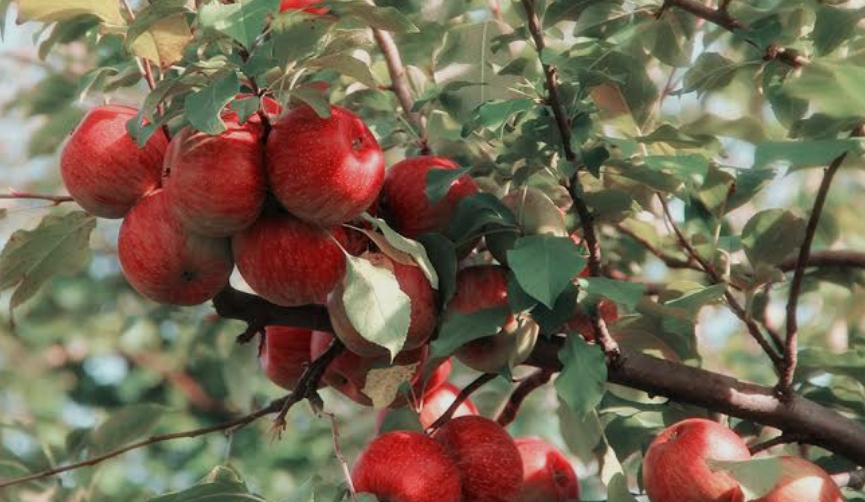
Apple trees are among the most reliable fruit trees for Kansas, thriving throughout the state with its 1000-1500+ chill hours. Varieties like Jonathan, Winesap, Arkansas Black, Gala, Honeycrisp, and Grimes Golden are well-suited to Kansas conditions. The state’s cold winters provide excellent dormancy, and apples tolerate Kansas’s temperature extremes, wind, and variable rainfall.
With disease management for cedar apple rust and fire blight, apples produce abundantly for decades, and Kansas has a long tradition of successful apple cultivation in home orchards and commercial operations.
Peach Trees
Peach trees grow successfully in Kansas when hardy varieties and proper site selection protect them from late spring frosts. Varieties like Contender, Redhaven, Reliance, and Madison requiring 800-1000 chill hours thrive in Kansas conditions. Southern and eastern Kansas have milder winters ideal for peaches, while western Kansas’s harsher conditions are more challenging.
Planting on elevated sites with good air drainage minimizes frost damage, and Kansas peaches develop excellent flavor in the warm summers with proper disease management for leaf curl and brown rot.
Pear Trees
Pear trees thrive throughout Kansas, tolerating the state’s temperature extremes and producing sweet fruit with proper care. European varieties like Parker, Kieffer, Seckel, and Bartlett perform well, as do Asian pears like 20th Century and Shinseiki. Fire blight resistance is important given Kansas’s variable spring weather, making variety selection crucial.
Pears handle Kansas’s alkaline soils, drought, and wind better than many fruits, and they’re generally more low-maintenance than apples while providing reliable harvests when disease-resistant varieties are chosen.
Plum Trees
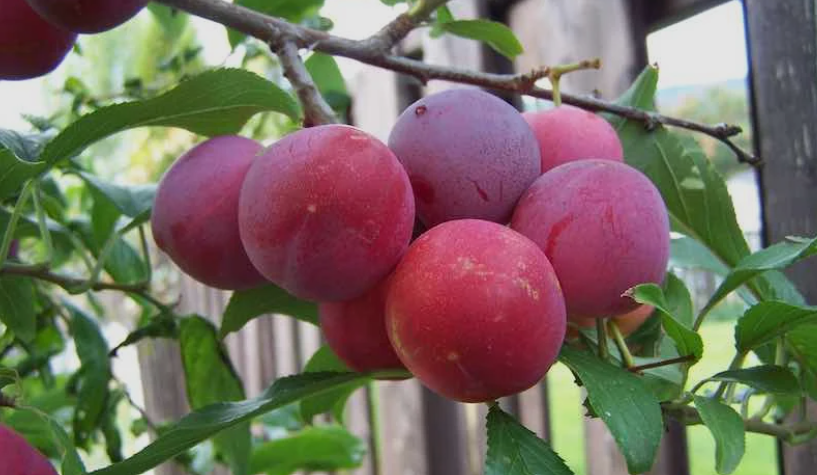
Plum trees excel in Kansas with both American native species and Japanese/European hybrids producing well throughout the state. American plums are extremely hardy and thrive in Kansas’s harsh conditions, while varieties like Superior, Toka, and Underwood combine hardiness with larger fruit.
Chickasaw plum is native to Kansas and exceptionally well-adapted to the state’s climate. Kansas’s cold winters provide adequate chilling, and plums tolerate the state’s wind, temperature swings, and drought better than stone fruits like peaches.
Cherry Trees
Sour cherry varieties like Montmorency, North Star, and Meteor grow successfully throughout Kansas and are more reliable than sweet cherries. These self-pollinating cherries tolerate Kansas’s cold winters and variable spring weather better than sweet types.
Sweet cherries can succeed in protected locations with good air drainage, but they’re less dependable than sour cherries due to late frost susceptibility. Kansas’s climate provides adequate chill hours for cherries, and tart varieties produce reliably for pies and preserves with minimal care.
Apricot Trees
Apricot trees can succeed in Kansas though they’re challenging due to early blooming that makes them vulnerable to late spring frosts. Hardy varieties like Moorpark, Harcot, and Puget Gold are options when planted on north-facing slopes to delay bloom.
While crops are inconsistent due to Kansas’s unpredictable spring weather, apricots can produce excellent fruit during favorable years. The trees themselves are cold-hardy enough for Kansas, but reliable fruiting requires careful site selection and accepting that some years won’t produce crops.
Persimmon Trees
American persimmon trees are native to eastern Kansas and exceptionally well-adapted to the state’s climate extremes. These hardy trees tolerate Kansas’s cold winters, hot summers, drought, and alkaline soils while producing sweet fall fruit.
Asian persimmons require careful cultivar selection, with cold-hardy varieties like Nikita’s Gift succeeding in southern and eastern Kansas. Persimmons are low-maintenance, virtually pest-free, and provide reliable harvests, making them among the easiest fruit trees for Kansas gardeners.
Mulberry Trees
Mulberry trees thrive throughout Kansas, tolerating extreme heat, cold, drought, wind, and alkaline soils with remarkable resilience. Illinois Everbearing, Pakistan, and native red and white mulberries all grow vigorously and produce abundant berries.
These fast-growing trees begin fruiting within a few years, require virtually no pest management, and tolerate Kansas’s challenging conditions better than almost any other fruit tree. Mulberries produce prolifically in late spring and summer, and their exceptional hardiness makes them foolproof for Kansas.
Jujube Trees
Jujube trees are perfectly suited to Kansas’s climate, tolerating extreme cold, heat, drought, wind, and alkaline soils. Varieties like Li, Lang, and Shanxi Li produce crisp, apple-like fruits that can be eaten fresh or dried like dates. Jujubes are virtually pest-free, require minimal water once established, and thrive in Kansas’s challenging conditions where many fruits struggle.
These adaptable Asian trees are becoming increasingly popular as Kansas gardeners discover their exceptional hardiness and low-maintenance characteristics.
Pawpaw Trees
Pawpaw trees grow naturally in eastern Kansas’s wooded areas and can be cultivated in home orchards, producing tropical-tasting fruits despite cold-hardiness. These understory trees prefer partial shade, moist soil, and protection from Kansas’s strong winds.
Pawpaws require cross-pollination from genetically distinct trees and take 4-8 years to begin fruiting, but they produce unique custard-like fruits. Eastern Kansas’s climate and protected sites suit pawpaws well, offering Kansas growers access to this unusual native fruit.
Serviceberry Trees
Serviceberry trees are native to Kansas and produce sweet, blueberry-like fruits in early summer while tolerating the state’s climate extremes perfectly. These multi-stemmed trees reach 15-25 feet tall and provide beautiful white spring flowers, edible June berries, and brilliant fall color.
Serviceberries are extremely cold-hardy, drought-tolerant once established, and pest-resistant, thriving in Kansas’s variable conditions. The fruits are delicious fresh or in preserves, and the trees’ multi-season interest makes them valuable landscape plants for Kansas.
Elderberry Bushes
Elderberry bushes thrive throughout Kansas, producing clusters of dark purple berries rich in antioxidants with minimal care. These native shrubs reach 8-12 feet tall and produce abundant berries in late summer even during Kansas’s hot, dry weather. Elderberries tolerate Kansas’s temperature extremes, drought, and variable soils while requiring little maintenance.
The berries are excellent for syrups, wines, and jellies, and elderberries’ adaptability to Kansas conditions makes them reliable producers for health-conscious gardeners.
Hazelnut Bushes
Hazelnut bushes, particularly American hazelnuts and hardy hybrids, grow successfully in Kansas producing nutritious nuts. American hazelnuts are native to eastern Kansas and extremely cold-hardy, tolerating the state’s temperature extremes. Hybrid hazelnuts combining American and European genetics offer larger nuts with good Kansas adaptability.
These plants require cross-pollination and produce nuts in fall, and they’re relatively low-maintenance while providing wildlife habitat and edible harvests for Kansas growers.
American Plum
American plum is native to Kansas and grows wild throughout the state, producing small, tart plums perfect for jellies and preserves. These hardy, thicket-forming trees tolerate Kansas’s worst conditions including extreme cold, heat, drought, wind, and alkaline soils.
American plums bloom early with fragrant white flowers and produce red to yellow fruits in summer. While too tart for fresh eating, the plums make excellent preserves, and the trees require zero maintenance while providing wildlife food and spring beauty in naturalized Kansas landscapes.
Crabapple Trees
Crabapple trees thrive throughout Kansas, providing spectacular spring flowers and tart fruits for jellies despite the state’s harsh conditions. Disease-resistant varieties like Dolgo, Chestnut, and Whitney are particularly productive and hardy. Crabapples are extremely cold-hardy, wind-tolerant, and adaptable to Kansas’s alkaline soils and temperature extremes.
The abundant small fruits make excellent preserves, and crabapples’ exceptional hardiness, ornamental qualities, and reliable production make them valuable dual-purpose trees for Kansas landscapes.
Chickasaw Plum
Chickasaw plum deserves special mention as a Kansas native that forms thickets and produces small, sweet to tart plums. These tough, suckering trees tolerate Kansas’s extreme heat, cold, drought, wind, and poor soils while producing fragrant white flowers in early spring.
Chickasaw plums provide red to yellow fruits that make excellent jellies, and they’re important for wildlife and pollinators. While their spreading habit makes them best for naturalized areas, Chickasaw plums represent perfectly adapted native fruits that thrive in Kansas’s challenging climate without any care.