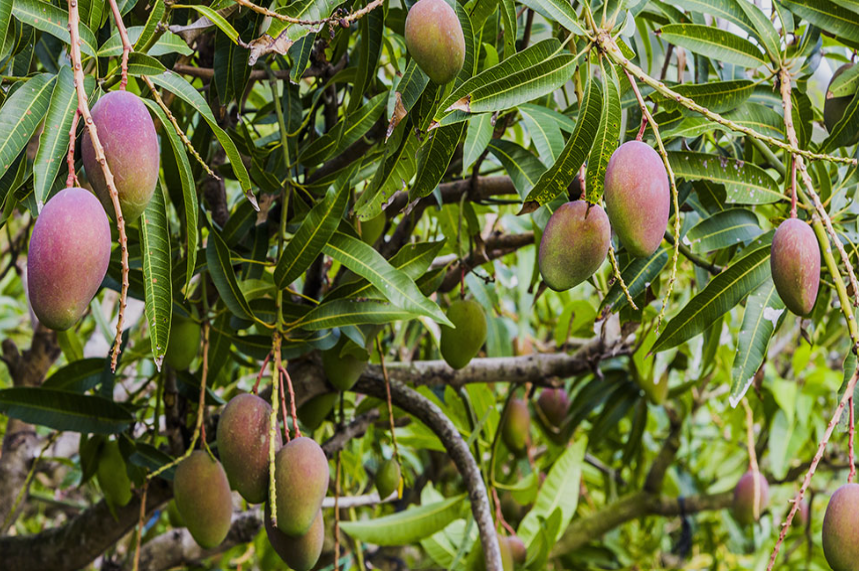
USDA Zone 10 is characterized by a warm climate with very mild winters and little to no frost. Temperatures rarely drop low enough to cause cold damage, allowing trees to grow year-round with minimal dormancy. Long growing seasons and abundant sunlight support continuous development and reliable production.
Areas that make up USDA Zone 10 include southern Florida, coastal regions of southern California, parts of southern Texas, and Hawaii. Outside the mainland United States, similar conditions are found in Puerto Rico and other tropical or subtropical locations. These regions share warm temperatures and relatively stable seasonal patterns.
Fruit trees that grow well in Zone 10 are generally adapted to heat and extended periods of warmth. Many continue active growth through winter months, rather than entering deep dormancy. This allows for faster establishment and, in some cases, multiple growth or harvest cycles within a year.
Moisture management is important in this zone, as some areas receive heavy rainfall while others are quite dry. Well-draining soil helps protect roots from rot, while consistent watering supports steady growth. Mulching is commonly used to regulate soil temperature and retain moisture.
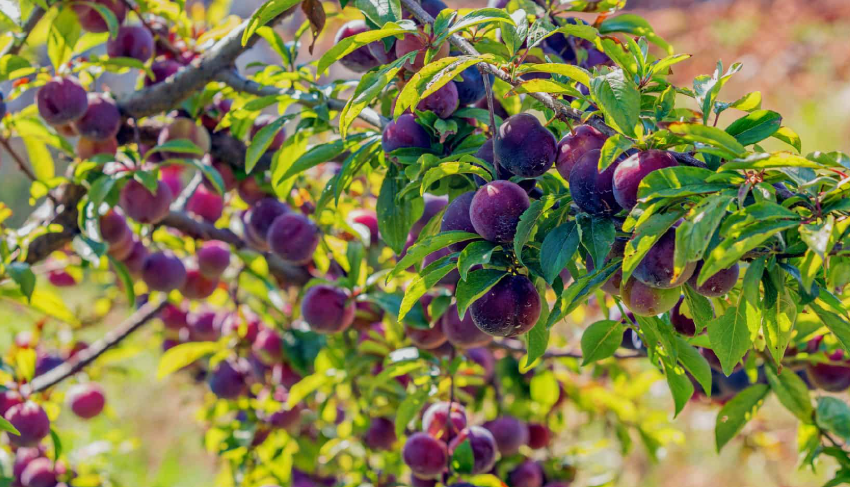
Fruit Trees For USDA Zone 10
Mango Trees
Mango trees thrive in Zone 10’s warm temperatures and produce some of the world’s most beloved tropical fruits with flavors ranging from sweet to tangy. These evergreen trees require full sun, well-drained soil, and consistent moisture during fruit development, rewarding growers with abundant harvests of juicy, aromatic mangoes.
Popular varieties like Tommy Atkins, Kent, and Keitt are well-suited to Zone 10, and mature trees can produce hundreds of pounds of fruit annually while providing attractive shade and glossy foliage.
Avocado Trees
Avocado trees flourish in Zone 10, where the mild winters and warm summers create ideal conditions for both Mexican and Guatemalan varieties. These trees require excellent drainage and can produce creamy, nutritious fruit nearly year-round depending on the variety selected.
Hass, Fuerte, and Reed are popular choices that adapt well to Zone 10 conditions, and with proper care including regular watering and wind protection, a single tree can yield over 200 avocados annually.
Citrus Trees
Zone 10 is citrus paradise, supporting an incredible diversity including oranges, grapefruits, lemons, limes, mandarins, tangelos, and kumquats. The warm, frost-free climate allows citrus trees to produce sweet, juicy fruit with minimal cold damage concerns that plague growers in cooler zones. Multiple varieties can provide nearly continuous harvests throughout the year, and the fragrant blossoms add ornamental value while attracting pollinators to the garden.
Lychee Trees
Lychee trees produce exotic, sweet fruit with translucent white flesh encased in bumpy red skin, thriving in Zone 10’s warmth and humidity. These evergreen trees require consistent moisture, protection from strong winds, and well-drained acidic soil to produce their distinctive fruit clusters.
Varieties like Brewster and Mauritius are well-adapted to subtropical climates, and mature trees become stunning landscape specimens while yielding the prized fruit that’s popular in Asian cuisine.
Papaya Trees
Papaya trees are fast-growing tropical plants that begin producing fruit within a year of planting in Zone 10’s ideal conditions. These short-lived trees produce large, melon-like fruits rich in vitamins and enzymes, with some varieties yielding fruit year-round.
Papayas require full sun, warmth, and protection from strong winds, but they’re among the quickest fruit trees to provide harvests, making them perfect for gardeners seeking immediate gratification.
Guava Trees
Guava trees adapt beautifully to Zone 10, producing aromatic tropical fruits with distinctive flavor and exceptional vitamin C content. Both tropical guava and strawberry guava thrive in this climate, tolerating various soil types and requiring minimal care once established.
These productive trees can yield multiple crops annually, and their fragrant flowers and attractive bark add ornamental interest beyond the delicious fruit they provide.
Dragon Fruit Cactus
Dragon fruit, though technically a climbing cactus rather than a tree, produces spectacular night-blooming flowers followed by vibrant pink or yellow fruits.
This exotic plant thrives in Zone 10’s warmth and requires minimal water once established, making it ideal for xeriscaping while still providing unique, mildly sweet fruit. The dramatic appearance of both flowers and fruit makes dragon fruit a conversation piece that’s as ornamental as it is productive.
Longan Trees
Longan trees are related to lychee and produce clusters of small, translucent fruits with sweet, musky flavor perfect for fresh eating or drying. These evergreen trees prefer Zone 10’s warm, humid conditions and can grow quite large, becoming impressive shade trees that also produce abundant fruit.
Longan trees require patience as they take several years to begin bearing, but mature specimens can yield hundreds of pounds of the prized “dragon eye” fruit.
Carambola (Star Fruit) Trees
Carambola trees produce distinctively shaped star fruit with sweet-tart flavor and crisp texture, thriving in Zone 10’s tropical conditions. These small evergreen trees bloom and fruit multiple times throughout the year, providing nearly continuous harvests of the attractive, vitamin-rich fruits.
Carambola requires protection from strong winds and consistent moisture but adapts well to container growing, making it accessible even for those with limited garden space.
Banana Plants
Banana plants grow vigorously in Zone 10, producing large bunches of sweet fruit within 9-18 months of planting. While technically herbaceous perennials rather than trees, bananas grow tree-like proportions and are among the most productive fruit plants for tropical gardens.
Varieties like Cavendish, Lady Finger, and Ice Cream banana thrive in Zone 10’s warmth, and the dramatic foliage adds instant tropical ambiance to landscapes.
Fig Trees
Fig trees excel in Zone 10, often producing two crops annually—a small early crop and a larger main crop in summer and fall. The warm climate allows figs to ripen fully on the tree, developing exceptional sweetness and complex flavors.
Varieties like Brown Turkey, Kadota, and Black Mission are particularly productive in this zone, requiring minimal care while yielding abundant fruit and attractive, architectural foliage.
Jaboticaba Trees
Jaboticaba is an unusual Brazilian tree that produces grape-like fruits directly on its trunk and branches, creating a striking appearance. These slow-growing evergreen trees thrive in Zone 10’s warmth and can fruit multiple times yearly once mature, producing sweet, aromatic fruits perfect for fresh eating or making jellies and wines.
Jaboticaba’s unique fruiting habit and attractive, peeling bark make it both a productive and ornamental addition to tropical gardens.
Surinam Cherry Trees
Surinam cherry produces small, ribbed fruits that change from green to bright red or dark purple when ripe, with sweet-tart flavor reminiscent of cherries. These compact evergreen shrubs or small trees thrive in Zone 10, tolerating various soil types and requiring minimal maintenance.
The plants produce fragrant white flowers followed by ornamental fruits that attract birds, and they can be pruned into hedges or allowed to grow as specimen trees.
Macadamia Nut Trees
Macadamia nut trees produce the world’s most expensive nuts and thrive in Zone 10’s subtropical climate with adequate rainfall or irrigation. These attractive evergreen trees develop slowly but eventually yield clusters of hard-shelled nuts containing buttery, rich kernels.
Macadamias require well-drained acidic soil and patience, but mature trees become valuable landscape specimens while providing harvests of premium nuts.
Sapodilla Trees
Sapodilla trees produce sweet, brown-fleshed fruits with honey-like flavor and grainy texture similar to pears, thriving in Zone 10’s warmth. These evergreen trees are remarkably drought-tolerant once established and produce latex sap that was historically used to make chewing gum.
Sapodilla fruits ripen off the tree and develop exceptional sweetness, and the trees themselves are attractive, low-maintenance specimens with glossy foliage.
White Sapote Trees
White sapote trees produce creamy, custard-like fruits with sweet, peachy flavor that’s been compared to vanilla pudding. These subtropical evergreens thrive in Zone 10, tolerating brief temperature dips better than many tropical fruits while producing generous crops.
The fruits are highly perishable, making homegrown white sapotes a special treat rarely found in stores, and the trees grow vigorously with attractive, glossy foliage.
Feijoa (Pineapple Guava) Trees
Feijoa trees produce unique fruits with sweet-tart flavor combining pineapple, guava, and mint notes, thriving in Zone 10’s mild conditions. These attractive evergreen shrubs or small trees produce stunning edible flowers with red stamens before developing aromatic fruits in fall.
Feijoas are remarkably low-maintenance, drought-tolerant once established, and adapt well to various soil types while providing both ornamental beauty and delicious fruit.
Persimmon Trees
Non-astringent persimmon varieties like Fuyu thrive in Zone 10, producing sweet, crisp fruits that can be eaten like apples. These deciduous trees provide beautiful fall color before dropping their leaves, and the bright orange fruits often persist on bare branches creating stunning winter displays.
Persimmons require minimal care, resist most pests and diseases, and produce reliably once established in Zone 10’s favorable climate.
Passion Fruit Vines
Passion fruit vines are vigorous climbers that produce exotic flowers followed by aromatic fruits with tangy, tropical flavor perfect for juices and desserts. These fast-growing plants thrive in Zone 10’s warmth, often producing fruit within a year of planting and continuing to yield throughout warm months.
Purple and yellow passion fruit varieties both perform well, requiring sturdy support structures but rewarding growers with abundant harvests and spectacular ornamental flowers.
Loquat Trees
Loquat trees are evergreen subtropicals that bloom in fall and winter, producing sweet-tart orange fruits in early spring. These low-maintenance trees tolerate various soil types, resist most pests, and provide attractive, large tropical-looking foliage year-round.
Loquats are among the earliest fruiting trees in Zone 10, filling the gap before other fruits ripen, and they adapt well to both landscape and container growing.
Sugar Apple (Sweetsop) Trees
Sugar apple trees produce knobby, segmented fruits with creamy white flesh that tastes like sweet custard with hints of pineapple and vanilla. These small tropical trees thrive in Zone 10’s warmth and can produce fruit year-round in ideal conditions, though peak production occurs in summer and fall.
The fruits are highly perishable and rarely shipped commercially, making homegrown sugar apples a special delicacy, and the trees themselves are attractive additions to tropical gardens with their delicate foliage and interesting fruit.