Arizona has a predominantly dry climate with hot summers, mild winters in many regions, and low annual rainfall. Sunshine is abundant throughout the year, and temperatures can vary widely depending on elevation. These conditions shape what trees can thrive, favoring those that tolerate heat, intense sun, and periods of limited moisture.
Fruit trees that grow well in Arizona are generally adapted to drought and strong sunlight. Many are capable of developing deep root systems that help them access water stored below the soil surface. Their growth cycles often align with seasonal temperature changes, allowing them to rest during cooler periods and grow actively when warmth returns.
Elevation plays an important role in success. Lower desert areas support trees that can handle extreme heat, while higher elevations with cooler winters allow for a wider range of growth patterns. This variation makes it possible for different types of fruit trees to thrive across the state, depending on location.
Soil management is especially important in Arizona’s climate. Well-draining soil helps prevent root stress, while added organic matter improves moisture retention. Mulching is commonly used to reduce water loss and protect roots from temperature extremes.
Fruit Trees That Grow In Arizona
Fig Trees
Fig trees are exceptionally well-suited to Arizona’s climate, tolerating extreme heat and requiring minimal winter chill hours to produce abundant fruit. Varieties like Desert King, Black Mission, and Brown Turkey thrive throughout most of the state, producing two crops annually in warmer areas.
These drought-tolerant trees require deep watering but handle Arizona’s arid conditions better than most fruit trees, making them ideal for low-maintenance desert gardens.
Pomegranate Trees
Pomegranate trees are perfectly adapted to Arizona’s hot, dry climate and have been cultivated in the region for centuries. They require very low chill hours, tolerate alkaline soils, and produce beautiful orange-red flowers followed by nutritious fruit in fall.
Varieties like Wonderful, Granada, and Sweet are popular choices that handle intense summer heat while providing attractive ornamental value along with delicious, antioxidant-rich fruit.
Citrus Trees
Citrus trees thrive in Arizona’s low-desert regions, particularly in the Phoenix and Tucson areas, where they produce sweet, juicy fruit throughout the cooler months. Varieties including oranges, grapefruits, lemons, limes, and mandarins grow exceptionally well, though they require protection from occasional winter freezes.
The hot, dry climate actually enhances fruit sweetness, and with proper irrigation, citrus trees become productive backyard staples that can yield fruit for decades.
Peach Trees
Peach trees grow successfully in Arizona when appropriate low-chill varieties are selected, such as Desert Gold, Earligrande, and Bonanza. These cultivars require 200-400 chill hours, which most Arizona regions provide, and they produce fruit in late spring before extreme summer heat arrives.
While peaches need regular watering and some pest management, they reward growers with delicious, homegrown fruit that ripens weeks earlier than in traditional peach-growing regions.
Apricot Trees
Apricot trees are well-adapted to Arizona’s climate, requiring relatively few chill hours and tolerating the state’s temperature extremes. Varieties like Gold Kist, Katy, and Royal Blenheim produce fruit in early spring, beating the summer heat and providing one of the earliest harvests of any fruit tree.
These trees are relatively drought-tolerant once established and handle alkaline soils better than many stone fruits, making them reliable producers in desert landscapes.
Apple Trees
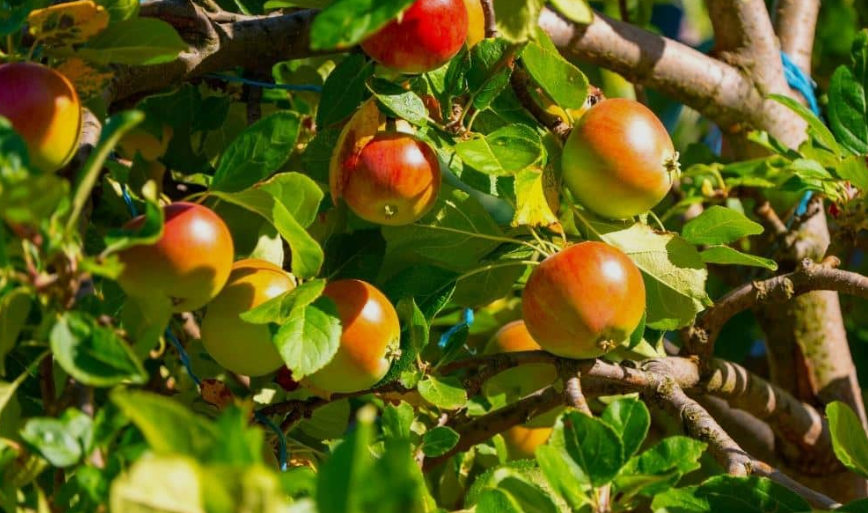
Apple trees can succeed in higher-elevation areas of Arizona and in low-desert regions when low-chill varieties are chosen. Varieties such as Anna, Dorsett Golden, and Ein Shemer require only 200-300 chill hours and produce crisp, flavorful apples in spring.
These adaptable trees need cross-pollination from another variety and benefit from afternoon shade in hotter areas, but they can produce surprisingly well when given appropriate care and variety selection.
Plum Trees
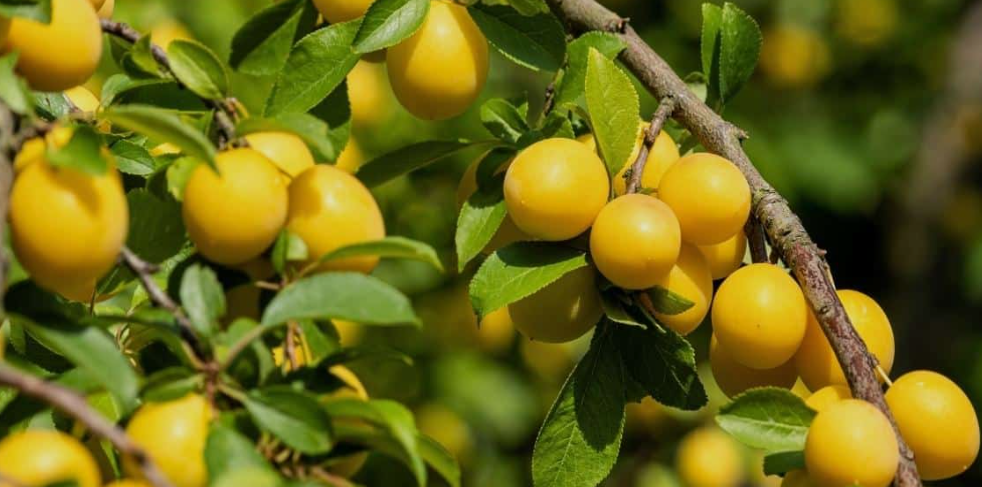
Plum trees grow well in Arizona when low-chill varieties like Santa Rosa, Satsuma, and Methley are selected. These trees bloom early in spring and set fruit before extreme heat arrives, producing sweet plums by late spring or early summer.
While they require regular watering and some protection from pests, plum trees are more adaptable to Arizona’s alkaline soils than many fruit trees and can become reliable producers with proper care.
Date Palms
Date palms are iconic desert fruit trees that thrive in Arizona’s hottest regions, particularly the low deserts where extreme summer heat is actually beneficial for fruit ripening. Medjool dates are the most popular variety, producing large, sweet fruit that requires the intense heat of Arizona summers to develop properly.
These drought-tolerant palms are long-lived and low-maintenance once established, though they require patience as they take several years to begin producing fruit.
Mulberry Trees
Mulberry trees are fast-growing, highly productive fruit trees that tolerate Arizona’s heat, cold, and alkaline soils with minimal care. Varieties like Pakistan and Persian mulberries produce sweet, berry-like fruit in late spring and early summer, often yielding so abundantly that a single tree can overwhelm a household.
These drought-tolerant trees provide excellent shade along with fruit and require virtually no pest management, making them ideal for low-maintenance Arizona landscapes.
Jujube Trees
Jujube trees, also called Chinese dates, are exceptionally well-suited to Arizona’s climate, tolerating extreme heat, cold, drought, and poor soils. These Asian fruit trees produce crisp, apple-like fruit that can be eaten fresh when crunchy or dried like dates.
Varieties such as Li and Lang thrive in Arizona’s conditions with minimal care, and the trees are virtually pest-free while providing attractive, glossy foliage and delicious fruit from late summer into fall.
Persimmon Trees
Persimmon trees grow successfully in Arizona, particularly in higher elevations and cooler microclimates, though low-chill varieties can produce in warmer areas. Fuyu and Hachiya are popular varieties that tolerate Arizona’s conditions and produce sweet, orange fruit in fall and winter.
These trees are relatively low-maintenance, pest-resistant, and drought-tolerant once established, and they provide beautiful fall color along with their distinctive, flavorful fruit.
Olive Trees
Olive trees are ideally suited to Arizona’s Mediterranean-like climate, thriving in hot, dry conditions with minimal water once established. Varieties like Mission, Manzanillo, and Arbequina produce fruit that can be cured for eating or pressed for oil.
These evergreen trees are extremely drought-tolerant, handle alkaline soils well, and live for decades or even centuries, providing both productive harvests and attractive, silvery-gray landscape value.
Loquat Trees
Loquat trees are subtropical evergreens that produce sweet, tangy fruit in spring and thrive in Arizona’s milder climate zones. These trees bloom in fall and winter, with fruit ripening in early spring before most other fruit trees produce.
Loquats tolerate heat and drought once established, require minimal chill hours, and are relatively pest-free, making them excellent choices for warm Arizona gardens where their unique fruit and attractive foliage add diversity.
Pear Trees
Pear trees can grow in Arizona when low-chill Asian pear varieties like 20th Century (Nijisseiki) and Shinseiki are selected. These varieties require only 300-400 chill hours and produce crisp, juicy fruit that’s more apple-like in texture than European pears.
Asian pears handle heat better than traditional pears and adapt reasonably well to Arizona’s alkaline soils, though they benefit from afternoon shade in the hottest desert areas and require another variety nearby for cross-pollination.
Guava Trees
Guava trees, particularly tropical guava and pineapple guava (feijoa), grow well in Arizona’s warmer regions and protected microclimates. Tropical guava produces aromatic, sweet fruit and thrives in the low desert with protection from hard freezes, while pineapple guava tolerates more cold and produces uniquely flavored fruit in fall.
Both species are relatively low-maintenance, tolerate heat and drought, and provide attractive evergreen foliage along with their exotic, vitamin-rich fruit.