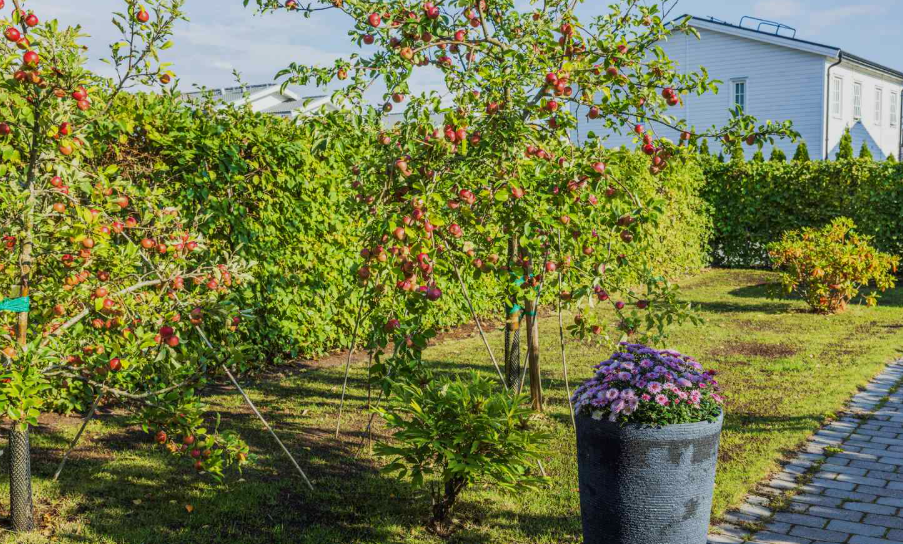
Some fruit trees are naturally adapted to cold climates and can survive freezing winter temperatures. These trees enter a dormant period during the cold months, which helps protect their buds, branches, and roots from frost damage. Winter dormancy is essential for their life cycle and prepares them for healthy growth in spring.
Cold-hardy trees have developed strong, woody structures that resist frost and ice. Their roots often extend deep into the soil, which provides insulation from surface freezes. This natural resilience allows them to survive even prolonged periods of snow and low temperatures.
Winter survival is closely tied to proper site selection and soil conditions. Trees planted in well-drained soil are less likely to suffer from root damage due to ice or waterlogging. Mulching around the base adds an extra layer of protection, keeping roots warmer and retaining moisture through freezing periods.
While these trees can survive harsh winters, young or newly planted trees may need extra care. Wrapping trunks, adding windbreaks, or covering trees with protective materials helps prevent frost cracks and damage from ice or heavy snow. These measures improve survival rates until the trees are fully established.
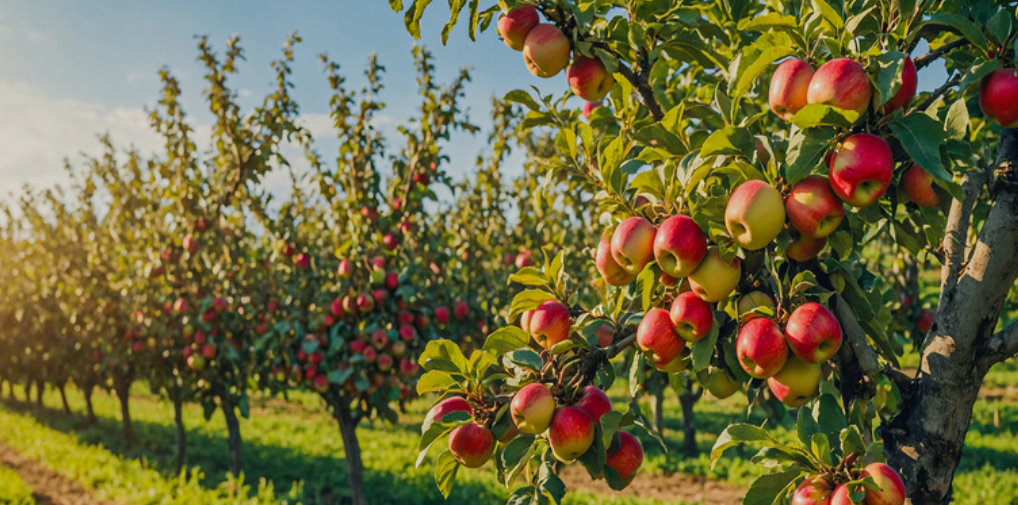
Cold Tolerant/Hardy Fruit Trees
Apple
Apple trees are hardy and can survive freezing winter temperatures, especially cold-tolerant varieties. The dormant period during winter is essential for their growth cycle, helping the tree conserve energy for spring flowering and fruiting. Mulching around the base can further protect roots from extreme cold.
Pear
Pear trees can withstand winter chills and even frosts when fully dormant. Cold-hardy varieties are particularly suited for regions with harsh winters. Proper pruning before winter helps maintain tree health and ensures strong fruit production in the following season.
Plum
Plum trees are resilient to winter conditions, provided they are suited to the local climate zone. Dormant plum trees can tolerate freezing temperatures, which is important for bud development. Some varieties are even adapted to late frosts, allowing them to bloom and fruit reliably.
Cherry
Certain cherry trees, especially sour cherry varieties, are winter-hardy. They can survive cold snaps as long as they are fully dormant. Protective measures, like mulching and shielding young trees from harsh winds, help ensure survival and good fruiting in spring.
Apricot
Apricot trees can survive winter in moderate to cold climates if protected during severe frosts. While spring blossoms are sensitive to late frosts, the trees themselves are resilient when dormant. Mulching and site selection (like planting on slopes for better drainage) improve winter survival.
Hazelnut
Hazelnut trees are highly cold-tolerant and can withstand long winters. Their hardy nature allows them to survive snow and frost, and they often produce nuts reliably in colder climates. Proper care, like pruning in late winter, ensures strong growth and nut production.
Fig
Certain fig varieties can survive mild winters if grown in cooler climates or provided with winter protection. Wrapping the trunk, mulching heavily, or planting near walls for microclimate warmth can help figs survive freezing temperatures.
Persimmon
Persimmon trees are generally hardy and can tolerate cold winters once established. Some varieties are particularly resilient, surviving sub-zero temperatures without damage. Winter dormancy allows them to conserve energy for fruit production in warmer months.
Quince
Quince trees are robust and able to withstand winter cold. Dormant trees resist frost, making them suitable for temperate regions. Mulching around the root zone and planting in well-drained soil further improves winter survival.
Mulberry
Mulberry trees are surprisingly hardy in winter, surviving frost and snow when fully dormant. Cold tolerance varies by variety, but generally, established trees withstand winter extremes and resume vigorous growth in spring.
Blackcurrant
Blackcurrant bushes are very winter-hardy, able to withstand freezing temperatures once dormant. They require the cold period to break dormancy and produce healthy flowers and fruit in spring. Mulching helps protect roots during extreme cold spells.
Redcurrant
Redcurrants are resilient to winter frost and snow. Dormant plants survive harsh conditions, and the chilling period supports optimal flowering and fruiting. They perform well in temperate climates with cold winters.
Elderberry
Elderberry shrubs and small trees tolerate cold winters when dormant. They can withstand frost and even snow cover. Winter hardiness is one reason they are widely grown in northern temperate regions for fruit and medicinal uses.
Nanking Cherry
Nanking cherry trees are cold-hardy and can survive severe winter conditions. Their dormancy helps protect buds and branches, ensuring healthy growth and abundant fruit once temperatures rise in spring.
Sea Buckthorn
Sea buckthorn is a hardy shrub that withstands long, cold winters. Its thick, woody stems survive frost, allowing the plant to resume growth in spring. The berries are produced reliably even in chilly climates.
Serviceberry
Serviceberry trees are resilient to winter cold. Dormant trees tolerate frost and snow, and their strong root systems help them recover quickly in spring. These trees are also valued for their edible berries and ornamental flowers.
Gooseberry
Gooseberry bushes are tough and can endure cold winters. Dormant plants withstand freezing temperatures, and their hardiness makes them suitable for northern climates. Mulching the base protects roots and improves winter survival.
Kiwi (Hardy Varieties)
Hardy kiwi vines can survive winter temperatures down to around −20°C (−4°F) when dormant. They require proper winter protection in extremely cold areas, such as mulching the base and covering vines, to ensure buds survive until spring.
Jujube
Jujube trees are surprisingly cold-tolerant. Many varieties can survive freezing winters when dormant, though younger trees may need some protection. Their hardiness makes them suitable for temperate regions with occasional frosts.
Medlar
Medlar trees are robust and can tolerate cold winters, surviving frosts while dormant. Winter dormancy is critical for flowering and fruiting cycles, and mulching helps young trees cope with extreme temperatures.
Almond
Certain almond varieties are surprisingly winter-hardy. While they prefer mild climates, cold-tolerant types can survive freezing temperatures when dormant. Mulching around young trees helps protect roots during harsh winters.
Peach
Peach trees can withstand cold winters if planted in hardy cultivars suited for temperate zones. Dormancy protects buds and branches, and careful pruning before winter ensures healthy fruiting the following season.
Nectarine
Nectarine trees, closely related to peaches, can survive winter cold in areas with sufficient chilling hours. They tolerate frost when dormant, though young trees may need protection from extreme temperatures.
Pecan
Pecan trees are hardy once established and can survive cold winters in temperate climates. Dormancy allows the tree to withstand frost, and deep roots help prevent winter damage to the vascular system.
Loquat
Loquat trees are somewhat frost-tolerant and can survive mild to moderate winter cold, especially if planted in protected locations. Dormancy during winter helps them conserve energy for flowering and fruiting when warmer months arrive.
Cranberry
Cranberry vines are adapted to cold climates and survive winter under snow cover. Dormant plants resist frost and resume growth in spring. Their tolerance to cold makes them ideal for regions with long, harsh winters.
Blueberry
Blueberry bushes are naturally winter-hardy and require cold dormancy to produce fruit. They can withstand freezing temperatures, especially if mulched to protect the roots. Proper site selection with good drainage ensures survival through harsh winters.