Cultivating fruit trees in Texas begins with understanding the state’s diverse climate zones. From humid regions in the east to arid areas in the west and warmer conditions in the south, choosing fruit trees suited to local temperatures and rainfall is essential. Selecting heat-tolerant and drought-resistant varieties helps ensure healthy growth and reliable fruit production.
Texas has a diverse climate because of its large size and varied geography. Much of the state experiences hot summers, with temperatures often exceeding 90°F (32°C), especially in central and southern regions. Humidity is higher in eastern areas, while western parts tend to be drier.
Winters in Texas are generally mild, particularly in the southern and coastal regions, though northern areas can experience colder temperatures and occasional freezing weather. Snowfall is rare in most parts of the state but can occur in the Panhandle and northern regions during winter storms.
Rainfall patterns vary widely across Texas. Eastern Texas receives higher annual rainfall, supporting forests and lush vegetation, while western regions are much drier and more desert-like. This wide range of temperatures and moisture levels allows Texas to support many different landscapes and plant types.
Fruit Trees that Can Grow In Texas
Peach Trees
Peach trees thrive throughout much of Texas, with different varieties suited to specific regions based on their chill hour requirements. Low-chill varieties like Texstar, TexPrince, and TexKing require only 250-400 hours and excel in South Texas, while higher-chill varieties work in northern regions.
Texas peaches develop exceptional sweetness and flavor, and the state’s warm springs allow early harvests, making peaches one of the most successful and popular fruit trees for Texas home orchards.
Pecan Trees
Pecan trees are native to Texas and the state tree, producing delicious nuts while thriving in Texas’s heat, variable rainfall, and diverse soil conditions. Varieties like Pawnee, Desirable, and Caddo are well-adapted to different Texas regions and produce high-quality nuts with proper care.
These large, long-lived trees provide excellent shade along with their nut crops, and while they require space and patience to reach full production, pecans are among the most reliable and rewarding fruit and nut trees for Texas landscapes.
Fig Trees
Fig trees excel throughout Texas, tolerating heat, drought, and poor soils while producing abundant fruit with minimal care. Varieties like Texas Everbearing, Celeste, and Brown Turkey are particularly well-suited to the state’s climate and often produce two crops annually in warmer regions.
Figs require little to no spraying, handle Texas’s alkaline soils reasonably well, and begin producing within a few years of planting, making them ideal low-maintenance fruit trees for both experienced and beginning Texas gardeners.
Citrus Trees
Citrus trees thrive in the Rio Grande Valley and Gulf Coast regions of Texas where freezing temperatures are rare or brief. Oranges, grapefruits, lemons, limes, and satsumas all grow successfully in South Texas, producing sweet, juicy fruit throughout winter months.
While citrus requires protection from occasional freezes in marginal areas, the reward of homegrown Texas citrus with its exceptional flavor makes the effort worthwhile, and containerized citrus allows gardeners in colder regions to enjoy these subtropical fruits.
Pomegranate Trees
Pomegranate trees are perfectly adapted to Texas’s hot, dry climate and thrive with minimal water once established. Varieties like Wonderful, Texas Pink, and Salavatski produce beautiful orange-red flowers followed by antioxidant-rich fruit in fall.
Pomegranates tolerate Texas’s alkaline soils, extreme heat, and drought better than most fruit trees, and they also provide attractive ornamental value with their glossy foliage and showy flowers, making them excellent dual-purpose landscape plants.
Plum Trees
Plum trees grow successfully throughout Texas when appropriate varieties are selected based on chill hours and regional adaptation. Methley, Bruce, and Gulf series plums are excellent low-chill options for warmer areas, while varieties like Santa Rosa perform well in North Texas.
Japanese and hybrid plums particularly thrive in Texas conditions, producing sweet fruit in late spring and early summer before extreme heat arrives, and many varieties are self-pollinating or work well in small home orchards.
Persimmon Trees
Both native American persimmons and Asian persimmon varieties grow well in Texas, with American persimmons being exceptionally hardy and adapted to native conditions. Fuyu and Hachiya Asian persimmons produce larger, seedless fruit and thrive in most Texas regions with proper variety selection.
Persimmons tolerate Texas’s heat, poor soils, and drought once established, and they’re relatively pest-free while providing sweet fall fruit and attractive foliage, making them excellent low-maintenance choices for Texas orchards.
Apple Trees
Apple trees can succeed in Texas when low-chill varieties requiring 200-500 chill hours are selected, with varieties like Anna, Dorsett Golden, and Ein Shemer performing best. These specially bred varieties produce crisp, flavorful apples despite Texas’s mild winters and hot summers.
While apples are more challenging than peaches or plums in Texas, proper variety selection and attention to irrigation and pest management allow successful harvests, particularly in Central and North Texas where slightly cooler conditions prevail.
Pear Trees
Pear trees, particularly Asian pear and certain European varieties, grow successfully in Texas with proper selection and care. 20th Century, Shinseiki, and Orient are reliable Asian pears, while Kieffer and Ayers perform well among European types.
Pears tolerate Texas heat reasonably well and require less attention than apples, though fire blight can be problematic in humid regions, making disease-resistant variety selection important for long-term success in Texas orchards.
Mulberry Trees
Mulberry trees are exceptionally well-adapted to Texas conditions, thriving in heat, drought, poor soils, and neglect while producing abundant sweet berries. Pakistan and Persian mulberries produce large, flavorful fruit, while native red and white mulberries also perform excellently.
These fast-growing trees begin producing within a few years and can yield so heavily that a single tree overwhelms a household, and they require virtually no pest management or special care, making them foolproof fruit trees for Texas.
Jujube Trees
Jujube trees, also called Chinese dates, are ideally suited to Texas’s climate, tolerating extreme heat, drought, alkaline soils, and temperature fluctuations. Varieties like Li, Lang, and Shanxi Li produce crisp, apple-like fruit that can be eaten fresh or dried like dates.
Jujubes are virtually pest-free, require minimal water once established, and thrive in conditions that stress many other fruit trees, making them perfect for low-maintenance Texas orchards and xeriscaped landscapes.
Apricot Trees
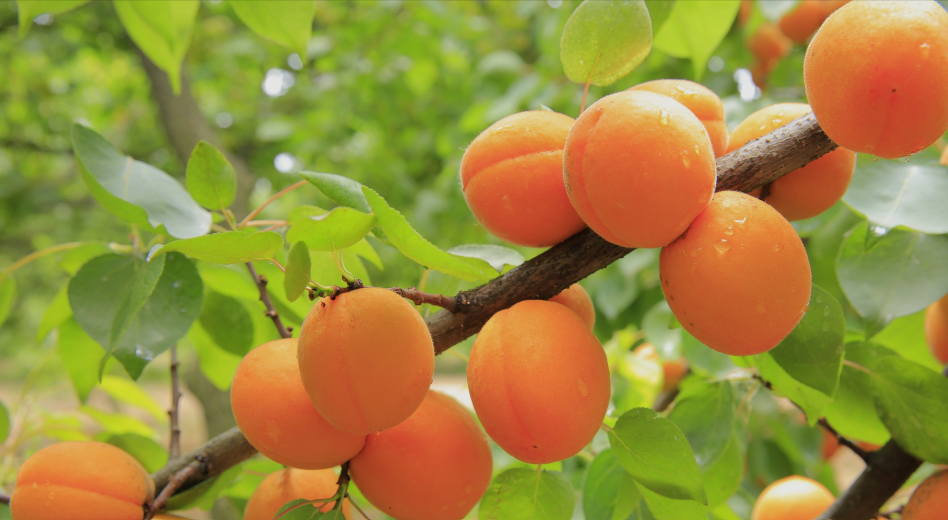
Apricot trees grow in Texas when early-blooming, low-chill varieties are selected, though late spring frosts can sometimes destroy blossoms. Varieties like Bryan, Blenheim, and Hungarian apricots work reasonably well in Texas, particularly in areas with some protection from late freezes.
While less reliable than peaches due to their early bloom time, apricots produce delicious fruit in successful years, and their beautiful spring flowers and relatively low water requirements make them worth trying in Texas home orchards.
Loquat Trees
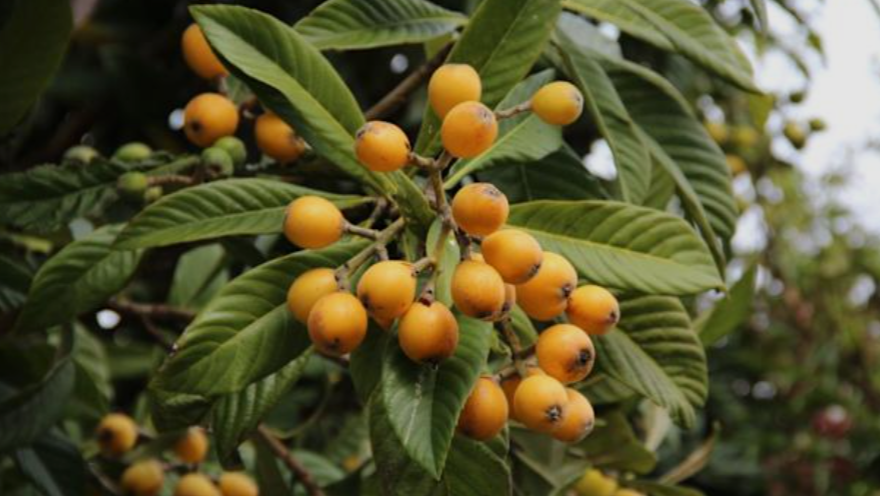
Loquat trees are subtropical evergreens that thrive in South and Central Texas, producing sweet, tangy fruit in early spring. These attractive trees bloom in fall and winter, with fruit ripening before most other fruit trees produce, filling an early-season niche.
Loquats tolerate Texas heat and are relatively pest-free, though occasional freezes can damage flowers and developing fruit, making them most reliable in warmer Texas regions but worth attempting with protection in marginal areas.
Blackberry and Dewberry
While technically brambles rather than trees, blackberries and dewberries grow as large, woody plants in Texas and produce abundant fruit. Varieties like Brazos, Rosborough, and Womack blackberries are specifically bred for Texas conditions and tolerate heat and drought well.
Native dewberries also thrive throughout the state, and these productive plants require minimal care while providing early summer harvests of sweet, flavorful berries ideal for fresh eating and preserves.
Mexican Plum
Mexican plum is a native Texas tree that produces small, tart plums perfect for jellies and preserves while providing beautiful spring flowers. These tough trees thrive in Texas’s native limestone soils, tolerate drought and heat, and require no spraying or special care.
While the fruit is too tart for fresh eating, Mexican plums are prized for their ornamental qualities, native adaptation, and wildlife value, and they make excellent low-maintenance additions to Texas landscapes that also provide edible harvests.
Olive Trees
Olive trees are increasingly popular in Texas, particularly in Central and West Texas where Mediterranean-like conditions support their growth. Arbequina, Mission, and Ascolano varieties produce both fruit for curing or oil production and attractive evergreen foliage.
Olives thrive in Texas’s heat and alkaline soils, require minimal water once established, and live for decades or centuries, making them excellent long-term investments for Texas landscapes seeking both productive and ornamental trees.
Banana Plants
Banana plants grow successfully in South Texas and protected microclimates elsewhere, producing tropical fruit within 9-18 months of planting. Cold-hardy varieties like Rajapuri and Ice Cream banana tolerate brief freezes and can regrow from roots even if tops are damaged.
While bananas require consistent moisture and protection from wind, their rapid growth and exotic fruit make them rewarding additions to warm Texas gardens, and containerized bananas allow enjoyment even in areas with occasional hard freezes.