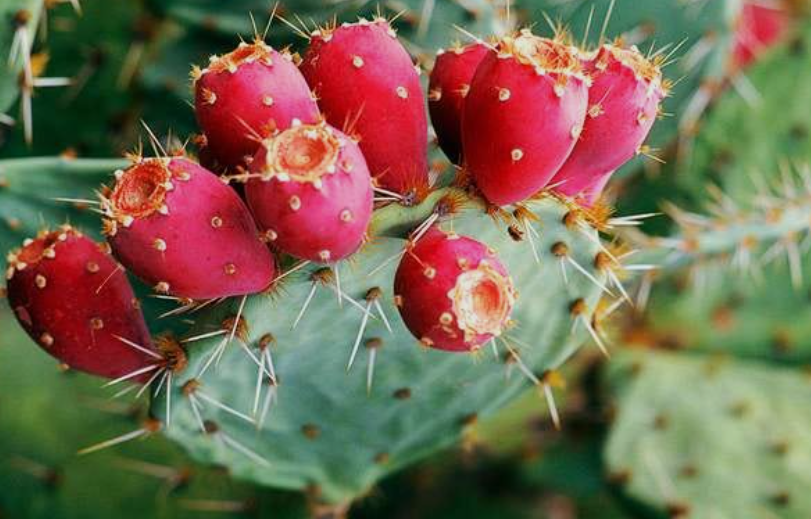
Fruit that grow in the desert are specially adapted to survive in hot, dry conditions with limited rainfall. These plants often have deep or widespread root systems that search for underground moisture. Many also have thick skins, waxy coatings, or water-storing tissues that help reduce water loss and protect the fruit from intense sun exposure.
Desert fruit plants are typically drought-tolerant and heat-resistant. They can survive high daytime temperatures and cooler desert nights. Some rely on seasonal rains, while others are able to thrive with minimal irrigation once established. Their resilience makes them valuable in arid and semi-arid regions around the world.
Many desert fruits grow on plants with protective features such as thorns, small leaves, or succulent stems. These adaptations reduce water evaporation and protect the plant from animals. Despite the harsh environment, desert fruits are often sweet and flavorful, as concentrated sugars develop under dry conditions.
Desert fruit production often depends on careful timing and efficient water use. Flowering and fruiting may occur during cooler seasons or after rainfall. Farmers in desert regions use techniques such as drip irrigation and mulching to conserve water and support healthy fruit development.

Fruit That Grow in the Desert
Prickly Pear Cactus
Prickly pear cactus produces sweet, juicy fruits called tunas that range from red to purple and are packed with vitamins and antioxidants. These paddle-shaped cacti thrive in extreme desert heat and drought, requiring virtually no supplemental water once established.
The fruits ripen in late summer and can be eaten fresh after removing the spines, made into jellies and syrups, or used in traditional Mexican dishes, and the young pads (nopales) are also edible vegetables.
Dates
Date palms are iconic desert fruit trees that produce sweet, nutrient-dense fruits and actually require intense desert heat to properly ripen their crops. These tall palms thrive in hot, arid climates like those found in California’s Coachella Valley and Arizona’s low deserts where summer temperatures exceed 110°F.
Medjool and Deglet Noor dates develop their exceptional sweetness only in true desert conditions, and the trees are remarkably drought-tolerant once established while producing hundreds of pounds of fruit annually.
Figs
Fig trees excel in desert conditions, tolerating extreme heat, drought, and poor alkaline soils while producing abundant fruit with minimal care. Desert King, Black Mission, and Brown Turkey varieties thrive in arid climates and often produce two crops annually in warmer desert regions.
Figs require deep, infrequent watering once established and handle desert heat better than most fruit trees, making them among the most reliable and low-maintenance fruit producers for desert landscapes.
Pomegranates
Pomegranates are perfectly adapted to desert climates, originating from arid regions and thriving in extreme heat with minimal water. These drought-tolerant shrubs or small trees produce antioxidant-rich fruits encased in leathery skin that protects them from desert sun.
Wonderful, Granada, and other varieties flourish in desert heat, tolerate alkaline soils, and require far less water than most fruit trees while providing beautiful orange-red flowers and nutritious fall fruit.
Jujube
Jujube trees, also called Chinese dates, are exceptionally well-suited to desert conditions, tolerating extreme heat, drought, cold, and alkaline soils. These Asian fruit trees produce crisp, apple-like fruits that can be eaten fresh when crunchy or dried into sweet, date-like treats.
Li, Lang, and Shanxi Li varieties thrive in desert climates with minimal water, are virtually pest-free, and continue producing reliably even during the harshest drought conditions.
Dragon Fruit
Dragon fruit cacti thrive in desert heat and produce spectacular night-blooming flowers followed by vibrant pink or yellow exotic fruits. These climbing cacti require well-drained soil and minimal water once established, making them ideal for desert cultivation.
The mildly sweet fruits with distinctive appearance are rich in antioxidants, and the plants can produce multiple crops throughout the warm season in desert climates while requiring less care than traditional fruit trees.
Saguaro Cactus Fruit
Saguaro cactus, the iconic symbol of the Sonoran Desert, produces sweet red fruits that have been harvested by indigenous peoples for thousands of years. These massive columnar cacti bloom with white flowers in late spring, followed by ruby-red fruits in early summer.
The fruits are sweet and juicy, traditionally used for fresh eating, jellies, and ceremonial wine, and they provide critical food for desert wildlife while requiring absolutely no cultivation or care.
Mesquite Pods
Mesquite trees produce sweet, nutritious seed pods that have been a dietary staple in desert regions for millennia. These nitrogen-fixing trees thrive in the hottest, driest desert conditions and produce long bean-like pods rich in protein and natural sugars.
The pods can be ground into flour for baking or eaten fresh when young and tender, and mesquite trees require no supplemental water while improving soil quality and providing filtered shade.
Cholla Buds
Cholla cactus produces edible flower buds that are harvested before blooming and have been a traditional desert food for centuries. These cylindrical cacti thrive in extreme desert heat and drought, producing buds in spring that can be boiled, pickled, or dried.
Cholla buds are rich in calcium and fiber, have a slightly tart, asparagus-like flavor, and represent one of the desert’s most sustainable wild foods requiring no cultivation.
Wolfberries (Desert Goji)
Desert-adapted wolfberries, related to cultivated goji berries, produce nutritious red fruits and thrive in arid climates with alkaline soils. These drought-tolerant shrubs handle extreme heat and minimal water while producing vitamin-rich berries throughout summer.
The fruits can be eaten fresh, dried like raisins, or used in teas, and the plants naturalize easily in desert conditions while requiring virtually no maintenance once established.
Barrel Cactus Fruit
Barrel cactus produces yellow flowers followed by edible yellow fruits that have sustained desert dwellers for generations. These round, ribbed cacti thrive in the most extreme desert conditions and produce fruits that can be eaten raw or cooked into preserves.
While not as sweet as prickly pear, barrel cactus fruits are nutritious and available when other desert foods are scarce, and the plants require absolutely no care while providing reliable crops.
Grapes
Grapes surprisingly thrive in many desert regions when given adequate irrigation, with the extreme heat actually enhancing sugar development and fruit quality. Desert regions of California and Arizona produce exceptional table and wine grapes that benefit from intense sun and low humidity.
Thompson Seedless, Flame Seedless, and wine varieties flourish in desert heat with drip irrigation, and the low humidity reduces disease pressure that plagues grapes in humid climates.
Desert Hackberry
Desert hackberry produces small, sweet berry-like fruits that have been important food sources for desert wildlife and indigenous peoples. These tough native trees tolerate extreme heat, drought, alkaline soils, and neglect while producing orange-red fruits in fall.
The fruits are sweet when fully ripe and can be eaten fresh or dried, and desert hackberry requires no care while providing shade and wildlife food in the harshest desert environments.
Mormon Tea (Ephedra)
Ephedra species native to deserts produce small, edible fruits and have been used traditionally for both food and medicinal purposes. These primitive, almost leafless shrubs thrive in extreme desert heat and drought with jointed green stems that photosynthesize.
The small red berry-like cones are sweet and edible, though the plants are more commonly used for tea, and they represent ancient plants perfectly adapted to desert survival.
Desert Agave
Desert agave species produce edible flower stalks, hearts, and sap that have been crucial food sources in arid regions for thousands of years. These succulent plants thrive in extreme desert conditions and store energy for years before sending up tall flowering stalks.
The heart of the agave can be roasted and eaten, the sap can be fermented into beverages, and the flowering stalks are sweet and nutritious when harvested young, representing one of the desert’s most versatile food plants.
Chiltepin Peppers
Chiltepin peppers, the wild ancestors of domesticated chiles, grow naturally in desert canyons and produce tiny, fiercely hot fruits. These perennial shrubs thrive in partial shade in desert environments and produce pea-sized peppers that are considered the world’s oldest chile pepper.
Chiltepins are prized for their intense heat and fruity flavor, and the plants continue producing for years in desert conditions with occasional water, representing important wild food and genetic resources.
Desert Strawberries (Indian Strawberry)
Desert strawberry varieties and wild relatives produce small, edible fruits in arid regions with surprising sweetness despite harsh conditions. These low-growing plants survive in desert microclimates with adequate moisture and produce tiny red fruits.
While smaller than cultivated strawberries, desert varieties are adapted to heat and drought, and alpine strawberry varieties can succeed in cooler desert regions with some irrigation and afternoon shade.
Carob
Carob trees thrive in Mediterranean desert climates, producing long, sweet pods used as chocolate substitutes and livestock feed. These evergreen trees tolerate extreme heat, drought, and poor alkaline soils while providing dense shade.
The pods contain natural sugars and can be ground into flour or eaten fresh when fully ripe, and carob trees require minimal water once established while living for decades in the harshest desert conditions, making them valuable dual-purpose landscape and food trees.