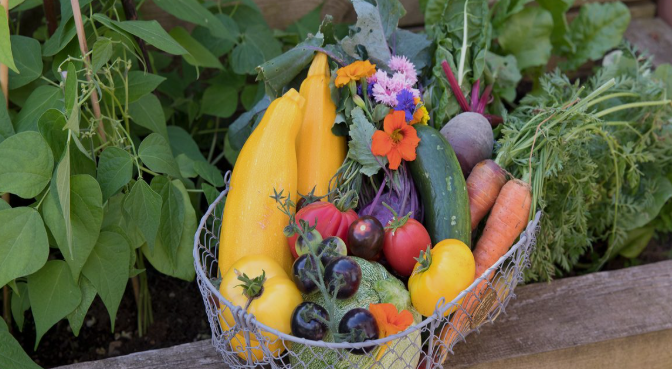
April in the United Kingdom marks a clear transition into spring, bringing longer days and milder temperatures that encourage new growth. Fields and gardens begin to fill with fresh, vibrant produce after the quieter winter months. It’s a time when seasonal eating becomes exciting again, with more variety gradually returning to markets.
During this month, what’s available is often tender, fresh, and delicate in flavor. Early spring produce tends to be lighter and more subtle compared to the richer, heartier options of winter. This makes it ideal for simple cooking methods that highlight natural taste and texture without overpowering them.
Nutritionally, April’s seasonal offerings provide a welcome boost after winter. Many are rich in vitamins, minerals, and antioxidants that support energy and overall well-being. Eating what’s in season can also mean better quality, as items are harvested at their peak rather than stored for long periods.
From an environmental perspective, choosing locally grown produce in the UK during April helps reduce reliance on imports. This lowers food miles and supports British farmers who are beginning their busiest growing period. It also ensures fresher ingredients, often reaching shops and markets soon after harvest.
Fruit And Vegetables In Season In April In The UK
April
April marks the beginning of the British asparagus season, one of the most anticipated spring harvests. The spears have a fresh, grassy flavor and a tender bite when cooked briefly. They are often paired with light ingredients such as eggs, butter, or citrus, allowing their natural taste to remain prominent.
Spinach
Spring spinach in the UK is especially tender, with a mild and slightly sweet flavor. The leaves wilt quickly under heat, blending easily into soups, sauces, and egg dishes. When served raw, they provide a soft texture that works well with simple dressings.
Carrots
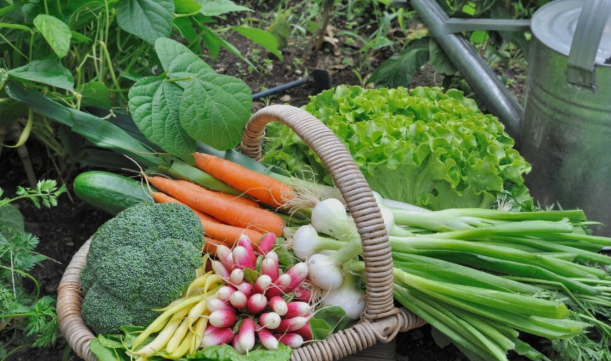
Carrots harvested in early spring are often smaller and sweeter than winter varieties. Their flavor lends itself to both raw and cooked preparations, where they contribute a gentle sweetness. They are also used to add color and balance to a variety of savory dishes.
Spring Cabbage
Spring cabbage becomes available in April, characterized by looser leaves and a lighter flavor than winter types. Its softer texture allows for shorter cooking times, preserving a subtle sweetness. It is commonly incorporated into simple, lightly cooked dishes.
Radishes
Radishes thrive in the cool spring climate and appear fresh and crisp in April. Their peppery flavor adds contrast to milder ingredients, while their crunch provides texture. They are frequently used raw, where their sharpness remains intact.
Spring Onions
Spring onions are widely available in April and bring a mild, fresh onion flavor. Both the bulb and green tops are used, contributing subtle sharpness without overpowering dishes. They are often added toward the end of cooking or used raw for brightness.
Jersey Royal Potatoes
Jersey Royal potatoes begin their short season in April and are prized for their distinctive, slightly nutty taste. Their waxy texture holds together well after cooking, making them suitable for simple preparations where their natural flavor stands out.
British Apples
Stored British apples remain available into April, maintaining their firm texture and balanced sweetness. They continue to be used in both sweet and savory dishes, where their acidity helps to offset richer ingredients.
Rhubarb
Rhubarb is one of the standout seasonal ingredients in April, known for its vivid color and sharp, tart flavor. When cooked, it softens into a smooth texture and develops a balanced sweetness. It is commonly paired with sugar or other sweet elements to highlight its unique taste.
Lettuces
April brings a variety of fresh lettuces in the UK, including butterhead and leaf types. These have a soft texture and a mild, slightly sweet flavor. Their delicate leaves respond best to light handling, allowing them to carry subtle dressings while maintaining their natural freshness.
Watercress
Watercress thrives in the cool, clean waters of early spring and is widely available in April. It has a distinctive peppery taste that adds depth to dishes. Its tender leaves are often used fresh, where their flavor remains sharp and vibrant, or briefly wilted into soups.
Leeks
Leeks continue through April with a mild, slightly sweet onion flavor. Their layered structure softens gradually during cooking, contributing a smooth texture. They are often used as a base ingredient, adding subtle depth without overwhelming other flavors.
Pea
Pea shoots emerge in spring and are available in April, offering a fresh, green flavor reminiscent of peas. Their tender stems and leaves are typically used raw, where they add both texture and a delicate sweetness to salads and light dishes.
Mushrooms
Wild and cultivated mushrooms are available in April, providing an earthy, umami-rich flavor. Their texture varies depending on type, but they generally absorb surrounding ingredients well. Mushrooms contribute depth to both simple and complex dishes.
Parsnips
Parsnips remain available in early spring, with a flavor that becomes sweeter after exposure to cold conditions. Their dense texture softens when cooked, developing a rich and slightly nutty profile. They complement both savory and subtly sweet preparations.
Chard
Chard grows well in spring conditions and becomes available in April. Its leaves are tender while the stems retain a slight firmness, offering contrast in texture. The flavor carries mild bitterness, which pairs well with richer or more acidic elements.
Mint
Fresh mint appears in April, bringing a cool, aromatic quality to dishes. Its bright flavor works well in both sweet and savory contexts. Mint is often used fresh, where its fragrance and taste remain most pronounced.