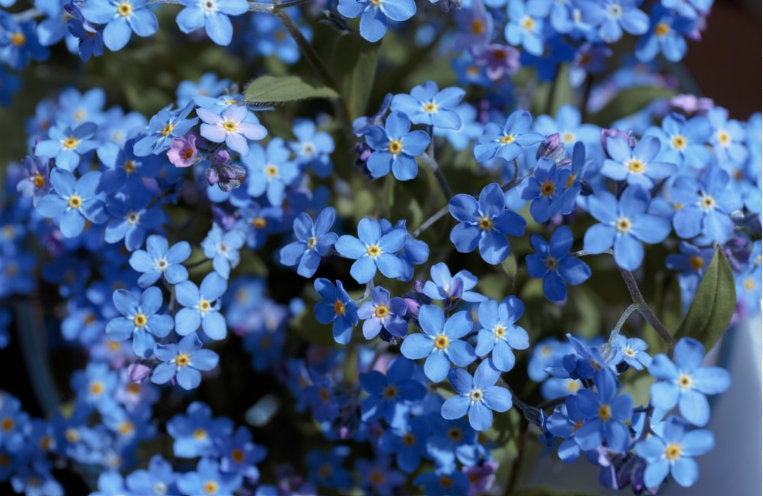
Flowers that symbolize healing or rebirth are often linked to renewal, recovery, and fresh beginnings. These blooms carry meanings of hope and transformation, making them meaningful during times of change or after difficult experiences. They remind people that growth and new life can emerge even after hardship.
Many of these flowers are associated with spring, the season of renewal. As nature comes back to life after winter, flowers blooming during this time naturally represent rebirth and new opportunities. Their appearance signals a fresh start, both in nature and in personal journeys.
Some flowers symbolize healing because of their calming presence or traditional uses. Gentle colors and soothing fragrances can create a sense of peace and comfort. In certain cultures, these flowers are used in remedies or rituals, reinforcing their connection to recovery and well-being.
Other flowers represent rebirth through the way they grow. Some emerge from muddy or harsh conditions yet bloom beautifully, symbolizing resilience and transformation. This powerful contrast between struggle and beauty makes them strong symbols of overcoming challenges and starting anew.
Throughout human history, flowers have served as nature’s most eloquent messengers of recovery, renewal, and resurrection. Whether emerging through snow in the depths of winter, blooming after devastating wildfire, or simply opening their faces to the morning sun after a night of darkness, these 40 flowers carry humanity’s most enduring hope — that after every ending, something new and beautiful will grow.
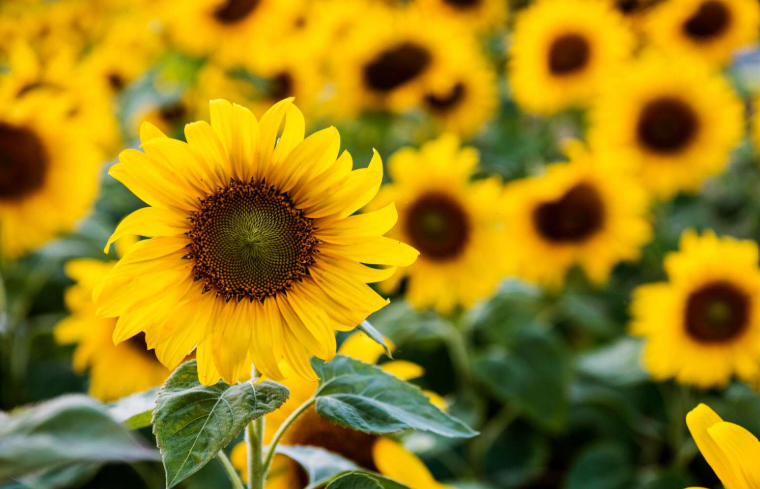
Flowers that Symbolize Healing or Represent Rebirth
1. Lotus (Nelumbo nucifera)
The supreme symbol of spiritual rebirth across Buddhism, Hinduism, and ancient Egyptian tradition, the Lotus rises each morning from dark, muddy water to open a perfect, uncontaminated bloom — a daily resurrection that has made it the universal emblem of the soul’s emergence from suffering into enlightenment. No flower in the world carries rebirth symbolism more completely or more profoundly.
2. Daffodil (Narcissus — yellow varieties)
Arriving before almost any other flower each spring, the Daffodil has become the universal symbol of healing from illness — it is the official flower of cancer hope organizations worldwide — as well as the natural emblem of seasonal rebirth, its bright yellow trumpets announcing that winter’s grip has finally broken and life is returning to the world.
3. Cherry Blossom (Prunus serrulata)
In Japanese philosophy the Cherry Blossom represents the bittersweet beauty of impermanence — the cycle of death and rebirth made visible in the brief, breathtaking flowering that transforms bare winter branches into clouds of pink and white each spring. Its fleeting beauty is not tragic but profoundly affirming — proof that life returns in full beauty however completely it has withdrawn.
4. Snowdrop (Galanthus nivalis)
The Snowdrop pushes through frozen ground while winter still holds the landscape — often flowering through snow itself — making it the most literal and moving symbol of rebirth in the temperate garden. Its small, bowed white flowers represent hope surviving in the most hostile conditions, the first proof each year that life has not been defeated by darkness and cold.
5. Lavender (Lavandula angustifolia)
Lavender has been the healing flower of Western herbal tradition for over two thousand years — its antiseptic, calming, and restorative properties making it a symbol of both physical and emotional healing. Its soft purple flowers and clean, soothing fragrance represent the gentle restoration of the spirit after stress, illness, or grief.
6. Calendula (Calendula officinalis)
The Pot Marigold is one of the oldest medicinal flowers in the world — its vivid orange petals used across European, Ayurvedic, and traditional American herbal medicine for wound healing, skin repair, and anti-inflammatory treatment. Its warm, solar color and generous blooming symbolize the healing warmth of the sun and the body’s extraordinary capacity for self-repair.
7. Iris (Iris germanica)
Named for the Greek goddess who bridged heaven and earth along the rainbow, the Iris symbolizes the passage from one state of being to another — from illness to health, from grief to acceptance, from winter to spring. Its upward-reaching form and its full color spectrum represent the promise of transformation and the arrival of better conditions after difficulty.
8. Echinacea (Echinacea purpurea)
Both literally and symbolically a healing flower, Echinacea — the Purple Coneflower — has been used medicinally by Indigenous North American peoples for centuries as an immune-boosting herb, and its bold, persistent blooming through summer and autumn symbolizes resilience, the strengthening of natural defenses, and the body’s innate capacity to resist and recover from illness.
9. Hyacinth (Hyacinthus orientalis — blue and white varieties)
Born from the grief of the god Apollo over a beloved companion, the Hyacinth is a flower of mourning transformed into rebirth — from loss came something beautiful and fragrant that returns faithfully every spring. Its powerfully sweet fragrance and vivid color after months of bare winter ground make it one of the most emotionally resonant symbols of renewal and recovery.
10. Peony (Paeonia officinalis)
The Peony was one of the most important medicinal plants of ancient China and medieval Europe — its roots, seeds, and flowers used to treat convulsions, pain, and a range of ailments, giving it the name “the physician” in ancient herbal tradition. As a symbol it represents healing and good fortune, the lush, generous blooming of renewed health after difficulty.
11. St. John’s Wort (Hypericum perforatum)
One of the most important healing plants in European herbal medicine, St. John’s Wort flowers at midsummer — the ancient festival of light and fire — and its small yellow flowers dotted with translucent oil glands have symbolized the healing power of light and the restoration of mental and emotional wellbeing for thousands of years of folk medical tradition.
12. Poppy (Papaver rhoeas)
The Red Poppy carries the dual symbolism of both death and rebirth — it bloomed across the devastated battlefields of the First World War from the disturbed, soldier-enriched soil, representing life’s insistence on returning even through the most catastrophic destruction. It is the flower of remembrance that is also the flower of life’s unstoppable renewal.
13. Magnolia (Magnolia grandiflora)
One of the most ancient flowering plants on Earth — magnolias predated bees and were pollinated by beetles — their enormous, waxy blooms opening on bare branches before any leaf appears symbolize the primal, unstoppable force of life’s return after winter. Their ancient lineage makes them living symbols of life’s extraordinary endurance across millions of years.
14. Chamomile (Anthemis nobilis)
The gentle Chamomile — its small daisy flowers yielding an intensely apple-scented tea renowned across cultures for calming, soothing, and healing — is the botanical emblem of patience in healing and the restorative power of quiet, gentle care. It represents the healing that comes not through dramatic intervention but through consistent, gentle nourishment of the recovering spirit.
15. Crocus (Crocus vernus)
Among the first flowers to emerge each spring — sometimes pushing through the last snow of winter in vivid purple, gold, and white — the Crocus is a universally recognized symbol of rebirth after darkness, the tiny but brave announcement that the cold season is ending and that warmth and color are returning to the world.
16. Primrose (Primula vulgaris)
The Primrose has symbolized renewal and the return of youth and vigor since ancient times, its pale yellow flowers appearing in the earliest weeks of spring as one of the first reliable signs that the year is turning. In Celtic tradition it was a sacred flower of the spring festivals, associated with healing, the return of warmth, and the reawakening of the natural world from its winter sleep.
17. Aloe Vera (Aloe barbadensis)
The Aloe Vera’s small tubular flowers rise above its fleshy, healing leaves — leaves that have been used to treat burns, wounds, and skin damage across Africa, Asia, and the Americas for thousands of years. The flower symbolizes the literal and figurative restoration of damaged tissue — the healing that is possible when the right care is consistently and patiently applied.
18. Passionflower (Passiflora incarnata)
The Passionflower’s extraordinarily complex, alien-looking blooms — with their intricate layers of petals, filaments, and reproductive structures — have carried spiritual symbolism of death and resurrection since Spanish missionaries in the Americas identified elements of the crucifixion in its unusual anatomy. It represents the healing transformation that follows suffering and the extraordinary beauty that can emerge from profound difficulty.
19. Elderflower (Sambucus nigra)
The Elder tree has been called the medicine chest of the country people throughout European folk herbal tradition — its creamy flower clusters yielding remedies for colds, fevers, inflammation, and a range of seasonal illnesses. The Elderflower symbolizes the healing generosity of the natural world, the idea that the remedy for many of life’s ailments grows freely and abundantly in the landscape around us.
20. Dandelion (Taraxacum officinale)
The Dandelion’s ability to push through concrete, to bloom on roadsides and in the cracks of walls, and to disperse its seeds on the wind to colonize new ground makes it one of the most powerful natural symbols of resilience and rebirth in the plant kingdom. Its seed head — the familiar globe of white parachutes — is the universal image of wishes sent into the future, of life dispersing itself hopefully across the world.
21. Feverfew (Tanacetum parthenium)
A medicinal herb used since ancient Greek times to treat headaches, fevers, and inflammation — its very name encoding its healing function — Feverfew’s cheerful white daisy flowers symbolize the soothing, cooling aspect of healing. It represents the relief that follows the worst of an illness, the moment when fever breaks and recovery becomes possible.
22. Hellebore (Helleborus orientalis)
Blooming in the coldest weeks of the year — sometimes pushing through frozen soil to flower in January and February — the Lenten Rose is one of the most dramatic symbols of rebirth in the garden. Its nodding flowers, facing the cold earth as if in humble acknowledgment of winter’s power, represent the quiet courage of life returning in the most unlikely conditions.
23. Rosemary (Rosmarinus officinalis)
Rosemary has carried the symbolism of remembrance and healing restoration since ancient times — worn at funerals and weddings alike as a symbol of memory’s healing power and love’s renewal. Its clean, resinous fragrance was believed to strengthen the memory and the mind, and it has been used across Mediterranean herbal medicine as a restorative herb for physical and cognitive recovery.
24. Borage (Borago officinalis)
The ancient motto “Borage for courage” reflects this herb-flower’s centuries-old association with the restoration of emotional strength after setback or grief. Its vivid blue, star-shaped flowers were dropped into drinks given to soldiers before battle and to the grieving after loss, symbolizing the return of heart and courage after they have been depleted by difficulty.
25. Yarrow (Achillea millefolium)
Named for Achilles, who according to legend used it to heal the wounds of his soldiers on the battlefield, Yarrow has one of the longest and most specific associations with physical healing of any flower in Western tradition. Its flat-topped white or pink flower clusters symbolize both the staunching of wounds and the broader healing of the body’s damaged tissues through the application of careful, time-honored remedies.
26. Lilac (Syringa vulgaris)
The Lilac’s appearance each spring — its sudden, overwhelming fragrance filling the air while the world is still soft and new — has made it a powerful symbol of the return of joy and vitality after a period of emotional or physical depletion. In the language of flowers it represents the first emotions of renewed love — and more broadly the first tentative feelings of hope and wellbeing that signal genuine recovery.
27. Wild Rose (Rosa canina)
The Dog Rose — its simple five-petaled pink flowers blooming along hedgerows in early summer — symbolizes the natural, uncomplicated healing that comes from returning to simplicity and the restorative power of the natural world. Its hips, rich in Vitamin C, were gathered during wartime to sustain the health of a population, making it a literal symbol of healing through what nature freely provides.
28. Lemon Balm (Melissa officinalis)
The small, inconspicuous white flowers of Lemon Balm carry disproportionate healing symbolism — its lemony, calming leaves have been used to treat anxiety, insomnia, and melancholy since ancient times, and its very name in Greek means bee — a creature that itself represents the industrious, healing work of recovery. It symbolizes the gentle, persistent mending of a weary spirit.
29. Columbine (Aquilegia vulgaris)
The Columbine’s nodding, spurred flowers — each one resembling a cluster of doves in medieval imagination — have carried healing symbolism in European herbal and spiritual tradition since the Middle Ages, where it was associated with the Holy Spirit and used in both medical and spiritual healing contexts. Its delicate beauty represents the grace that accompanies recovery and the lightness that follows the lifting of a burden.
30. Hyssop (Hyssopus officinalis)
One of the most ancient sacred and medicinal plants in the world — mentioned in the Bible as a purifying herb and used in Greek medicine for respiratory healing — the Hyssop’s small blue-purple flower spikes symbolize cleansing, purification, and the restoration of the body and spirit to a state of wholeness and health after contamination or illness.
31. Valerian (Valeriana officinalis)
The Valerian’s clusters of tiny pale pink flowers rising on tall stems have symbolized sleep, peace, and the healing restoration of rest since ancient Greek and Roman times — its roots prescribed for insomnia, anxiety, and the nervous exhaustion that follows prolonged stress. It represents the healing that only comes through surrender to rest and the body’s own restorative processes.
32. Wisteria (Wisteria sinensis)
In Chinese tradition Wisteria symbolizes immortality and the soul’s continuation through death — its extraordinary longevity (some specimens live for over a century) and its annual resurrection from bare, seemingly dead wood into cascades of perfumed blossom making it one of the most compelling natural symbols of life’s capacity to return in full beauty from apparent death.
33. Plum Blossom (Prunus mume)
The Plum Blossom — revered above all flowers in Chinese artistic and philosophical tradition — blooms in the coldest weeks of winter, often against a background of snow, symbolizing the indomitable spirit that refuses to yield to adversity. It represents the most complete and eloquent form of rebirth symbolism — the beautiful return of life in the heart of what should, by all rights, be its absence.
34. Astilbe (Astilbe spp.)
The feathery, plume-like flower spikes of Astilbe — rising in shades of white, pink, red, and purple above deeply divided foliage — symbolize patience and the understanding that healing follows its own timeline, unfolding gradually and gracefully in its own time rather than on demand. Its ability to bring life and color to shaded corners represents finding beauty and recovery in unexpected circumstances.
35. Marigold (Tagetes patula)
The French Marigold’s warm orange and gold flowers have carried solar healing symbolism across Central America, India, and the Mediterranean for centuries — its petals used in Ayurvedic medicine, its flowers offered to healing deities, and its cheerful, persistent blooming representing the determination of life to remain bright and warm even as the season turns toward cold.
36. Blue Cornflower (Centaurea cyanus)
The Cornflower was dedicated to Chiron the Centaur — the great healer of Greek mythology — and used in traditional European medicine to treat eye inflammations and fever. Its vivid blue color, the color of clear sky and clean water, symbolizes the clarity and freshness of renewed health — the clean, bright quality of a world seen again through recovering eyes.
37. Heather (Calluna vulgaris)
In Celtic healing tradition Heather was used to treat arthritis, gout, and a range of ailments, and its resilient, ground-covering growth across wind-scoured moorlands made it a powerful symbol of endurance and the healing capacity of a tough, adaptable constitution. White heather specifically symbolizes the rare good fortune of complete recovery and renewed vitality.
38. Wood Anemone (Anemone nemorosa)
The Wood Anemone’s delicate white flowers carpeting ancient woodland floors in early spring — appearing and disappearing in a matter of weeks as the canopy closes above them — represent the brief, precious window of healing and renewal that opens after a period of darkness. In ancient Greek tradition Anemones sprang from the tears of Aphrodite grieving for Adonis — flowers born from grief that transformed into beauty.
39. Foxglove (Digitalis purpurea)
Beyond its toxicity and folklore lies a profound healing symbolism — the Foxglove gave medicine digitalis, one of the most important cardiac drugs in history, transforming a potentially deadly plant into a literal lifesaver for millions with heart conditions. It represents the extraordinary healing that can emerge from the most unlikely and dangerous sources when knowledge and care are applied.
40. Morning Glory (Ipomoea tricolor)
The Morning Glory opens fresh, perfect flowers each morning — flowers that exist for only a single day before closing forever — and this daily cycle of opening and closing, of fresh beginning after daily ending, makes it one of the most purely literal symbols of rebirth in the plant world. Each morning is a new creation, a new life beginning, and the closing of the previous day’s flower is not loss but simply the completion of one cycle and the preparation for the next.