Some flowering trees produce blooms with strong, unpleasant odors. These scents can range from sour, musky, or rancid to even resembling rotting organic matter. While the smell may be off-putting to humans, it often serves a biological purpose for the plant.
The unpleasant fragrance usually helps attract specific pollinators, such as flies, beetles, or other insects that are drawn to strong or foul smells. These pollinators play a critical role in the reproduction of the plants, ensuring that flowers are fertilized and seeds are produced.
Environmental conditions can also affect the intensity of these odors. Heat, humidity, and the stage of flowering often amplify the scent, making it much stronger during peak bloom. Some trees emit odor only during certain times of the day or season to attract pollinators when they are most active.
Despite the smell, many of these flowering plants are valued for their visual appeal. Their blooms may be large, colorful, or abundant, adding ornamental value to gardens and landscapes. In some cases, the combination of beauty and unusual fragrance makes them conversation pieces in parks and public spaces.
Managing these trees in gardens often involves strategic placement. Planting them away from main walkways, patios, or entrances can reduce the impact of the odor on people, while still benefiting from their aesthetic and ecological contributions.
Unusual-smelling trees
Callery Pear (Pyrus calleryana)
Callery pear trees produce clusters of small white flowers that have a strong, unpleasant odor. The scent is often described as “foul” or “rotten,” and it is especially noticeable in spring when the tree is in full bloom. Despite the smell, the tree is widely planted for its ornamental shape.
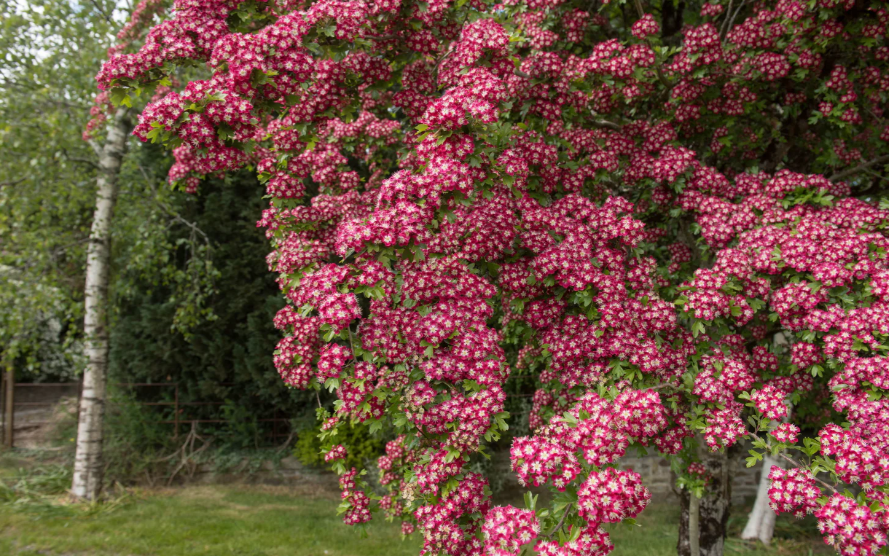
Hawthorn (Crataegus spp.)
These small trees produce clusters of white or pink flowers in spring. The blooms have a foul, fishy or rotting-flesh smell, sometimes linked historically to the plague due to its corpse-like odor. It attracts flies and beetles for pollination.
Ginkgo (Ginkgo biloba)
Female ginkgo trees produce flowers (actually ovules) that emit a strong, rancid smell when they mature. The odor is often compared to rancid butter or vomit, making them notorious for being unpleasant in urban areas.
Saucer Magnolia (Magnolia × soulangeana)
Some varieties of magnolia flowers, especially in hot weather, can develop a sour or slightly unpleasant smell. While visually striking, the scent can be off-putting to people sensitive to strong floral odors.
Bradford Pear (Pyrus calleryana ‘Bradford’)
Closely related to the Callery pear, the Bradford pear produces clusters of white flowers with a very strong and unpleasant smell. The fragrance is often described as similar to rotting fish or sewage.
Osage Orange (Maclura pomifera)
Osage orange trees produce small flowers with a pungent, musky scent. The odor is strongest when flowers are fully open and is generally considered unpleasant, though the tree is valued for its dense wood and thorny barrier branches.
Stinking Corpse Flower Tree (Rafflesia spp)
Some flowering vines that grow on tropical trees, like Rafflesia, produce massive blooms with a strong odor resembling rotting flesh. The scent attracts carrion-eating insects for pollination and is famous for being extremely unpleasant.
Devil’s Walking Stick (Aralia spinosa)
This tree produces clusters of small white flowers that emit a foul smell reminiscent of decaying matter. The scent attracts flies and beetles for pollination, making it an unusual but fascinating tree for wildlife gardens.
Guggul Tree (Commiphora wightii)
This tree produces small flowers with a strong, resinous odor that many people find unpleasant. The scent is pungent and slightly sour, but it is valued for the resin it produces, which is used in traditional medicine.
Sweet Viburnum (Viburnum odoratissimum)
Although the tree produces pretty clusters of white flowers, some varieties emit a sour or “bad” smell in certain climates. The scent is strongest during the heat of the day and can be off-putting despite the tree’s ornamental appeal.
Black Locust (Robinia pseudoacacia)
Black locust trees produce clusters of white, fragrant-looking flowers, but some people find their scent sharp and slightly unpleasant. The aroma can be overpowering during full bloom, especially in warm weather.
Tree of Heaven (Ailanthus altissima)
The flowers of the tree of heaven emit a strong, rancid odor, often compared to rotting peanuts or burnt peanut butter. The smell helps attract certain pollinators but makes the tree unpopular in urban areas despite its fast growth.
Sauropus androgynus (Sweetleaf Tree)
This tropical flowering tree produces small blooms with a strong, pungent odor. The smell is often considered unpleasant, though the leaves are edible and used in some culinary dishes.
Pawpaw (Asimina triloba)
This native North American tree has maroon-purple flowers in spring that emit a fetid, meaty or yeasty smell to attract beetles and flies. The scent isn’t overpowering from afar but is noticeably bad up close.
Chinese Chestnut (Castanea mollissima)
Male catkins (long flower spikes) produce a semen-like or rancid odor during bloom. The tree is valued for nuts, but the flowering period can be off-putting.
Java Olive / Pong-pong Tree (Sterculia foetida)
Tropical tree with red flowers in panicles that have a distinctly bad, stinking odor (the species name “foetida” means fetid). It’s pollinated by flies and avoided in landscapes for the smell.
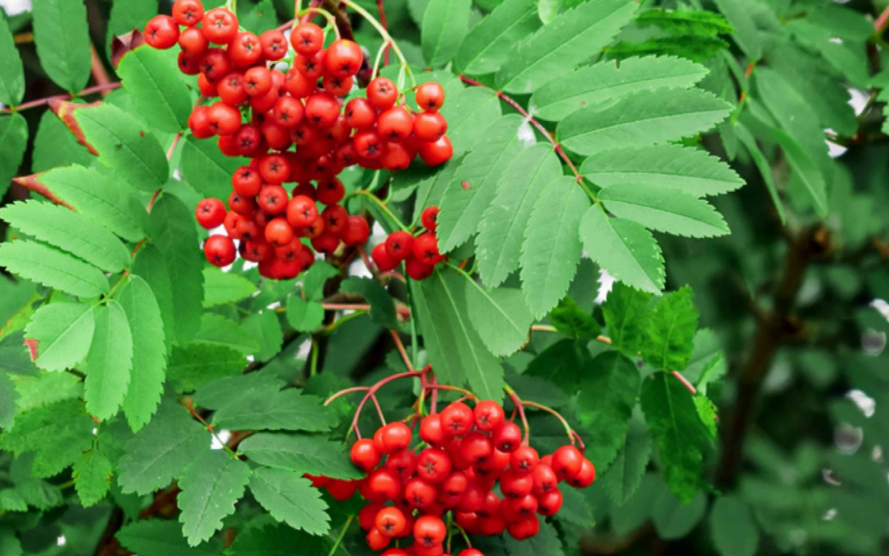
Mountain Ash (Sorbus aucuparia or americana)
Known for bright red berries in fall, but the spring clusters of white flowers have an unpleasant, rotting-flesh or fishy odor. It’s similar to hawthorn in attracting carrion-loving insects.